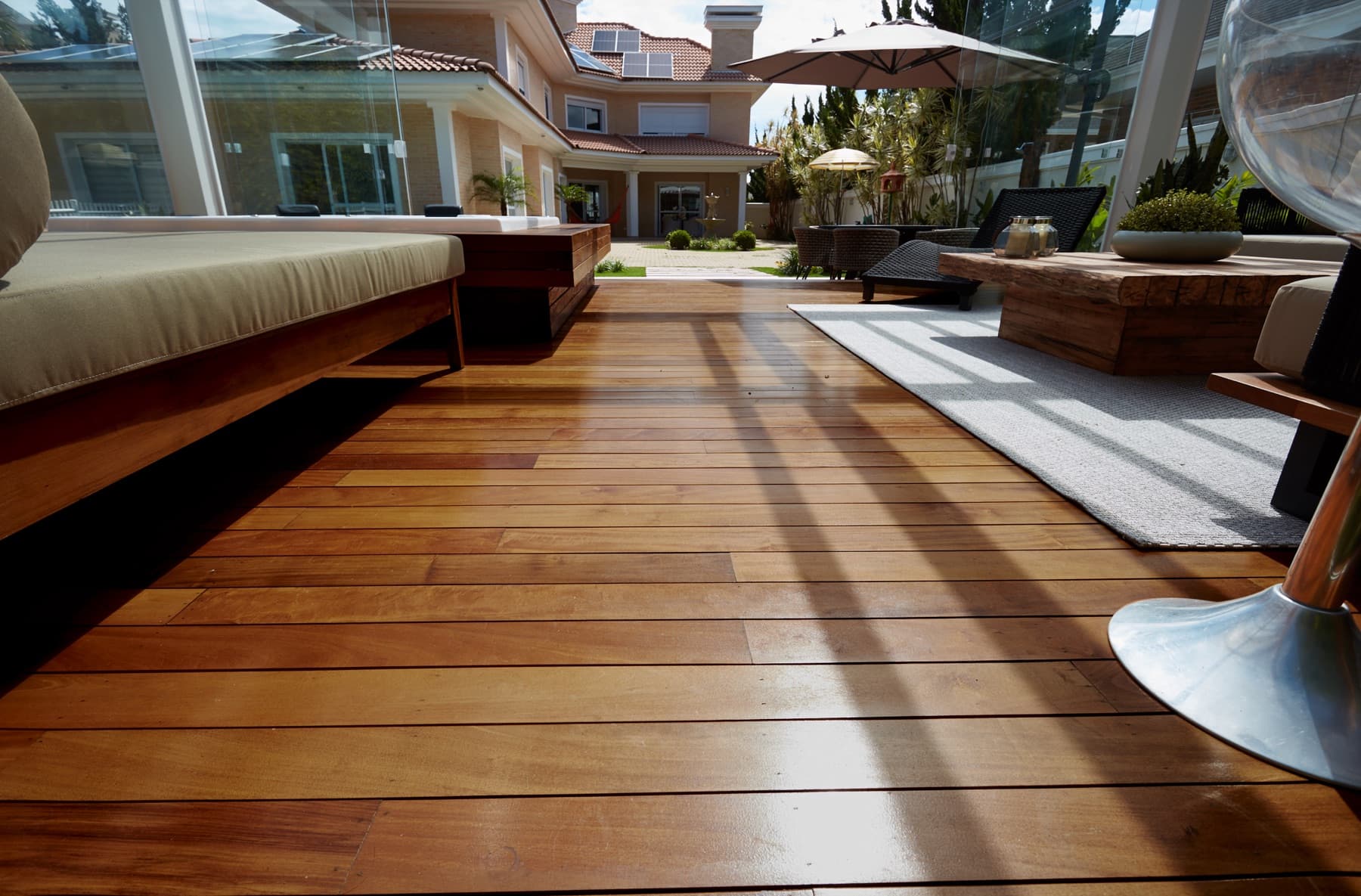
Understanding Hardwood Decking Profiles
Hardwood decking boards are typically available in several profiles, each designed to work with specific fastening methods. The most common profiles include:
Square-edge boards: These boards have straight, unfinished edges and are primarily designed for face-fastening. While some hidden systems can be adapted, they often require routing a groove into the board edge on-site.
This is the most common profile for hidden fastener applications.
Tongue-and-groove boards: Less common for outdoor decking due to drainage considerations, these are typically used for interior applications or covered porches where a tight, flush surface is desired. Hidden fasteners for these systems often engage the tongue.
For species like Ipe and Cumaru, which are known for their density and durability, grooved-edge profiles are often preferred for hidden fastening systems. Always confirm the exact profile of the hardwood decking you intend to use before selecting fasteners.
Types of Hidden Fastening Systems
Hidden fastening systems generally fall into a few categories, each with its own installation method and compatibility requirements:
Edge clip systems: These are designed for grooved-edge boards. Clips slide into the board's groove and attach to the joist, securing the board without visible fasteners. They often provide consistent spacing between boards and allow for some board movement.
Under-board fastening systems: These systems typically involve attaching fasteners to the underside of the board, which then secure it to the joist. Some variations use a specialized jig to drive screws at an angle through the edge of the board into the joist, also known as 'blind fastening'.
Proprietary systems: Many manufacturers offer their own hidden fastening systems designed specifically for their decking products. These often come with unique clips, screws, and installation tools. Always check for manufacturer-approved systems when using a specific decking product.
The choice of system can impact the final appearance, the ease of installation, and the long-term performance of your deck. Consider factors like board replacement, access for repairs, and required spacing when evaluating options.
Substrate and Joist Compatibility
The type of substrate or joist material beneath your decking boards is a critical factor. Most hidden fasteners are designed for wood joists, but some are compatible with metal framing. Always verify the fastener's suitability for your joist material.
Joist spacing is also important. Fastener manufacturers specify the maximum allowable joist spacing for their systems to ensure adequate support and prevent board deflection.
Ensure the fasteners you choose are long enough to penetrate the decking board and securely anchor into the joist, providing the necessary pull-down strength. For dense hardwoods like Ipe and Cumaru, pre-drilling pilot holes for screws may be necessary, even with self-tapping fasteners, to prevent splitting and ensure proper engagement.
Worked Example: Hidden Fasteners for an Ipe Deck
Imagine you are planning a 10-foot by 12-foot Ipe deck using 1x6 (nominal, actual 3/4" x 5 1/2") grooved-edge decking boards.
First, confirm the Ipe decking's profile. Since it's grooved-edge, an edge clip system is a suitable candidate.
For a 12-foot width, using 5.5-inch wide boards, you'd need approximately (12 * 12) / 5.5 = 26 boards. Always round up and account for waste or potential damage during installation.
The clips come with stainless steel screws, which are essential for the longevity of a hardwood deck, especially with dense species like Ipe that contain natural extractives that can react with certain metals.
You would also need starter and end clips, which are often different from the field clips, to secure the first and last boards. Always consult the specific manufacturer's installation guide for precise quantities and techniques.
Important Considerations and Tradeoffs
While hidden fasteners offer a clean aesthetic, they come with certain tradeoffs:
Cost: Hidden fastening systems often have a higher material cost per square foot compared to traditional face-fastening screws.
Installation time: Some hidden fastener systems can be more time-consuming to install, potentially increasing labor costs. However, others, especially those designed for grooved boards, can be quite efficient.
Board replacement: Replacing a single damaged board in a hidden-fastened deck can be more challenging than with face-fastened boards, sometimes requiring the removal of multiple adjacent boards.
Ventilation: Proper ventilation beneath the deck is crucial for hardwood decking, regardless of the fastening method. Ensure the chosen system allows for adequate airflow to prevent moisture buildup. The board spacing provided by the clips contributes to this.
Material compatibility: Always use fasteners made of materials compatible with your decking, especially for hardwoods known for their density and natural extractives, such as Ipe or Cumaru. Stainless steel is often recommended to prevent staining or corrosion.
For dense hardwoods, ensure the fasteners are robust enough to handle the material's hardness. This density means fasteners must be strong and the installation method precise.
Consider the specific conditions of your project, such as exposure to moisture, UV, and foot traffic, when making your choice.
Before you order
- Confirm the exact profile of your hardwood decking (e.g., grooved-edge, square-edge).
- Identify the material of your deck joists (e.g., wood, metal).
- Determine your desired board spacing and verify if the fastening system achieves it.
- Check for manufacturer-approved hidden fastening systems for your specific decking product.
- Evaluate the material of the fasteners (e.g., stainless steel for hardwoods like Ipe and Cumaru).
- Consider the ease of installation and potential for future board replacement.
- Calculate the required quantity of fasteners, including starter/end clips, and account for waste.
Confirm installation details, approved uses and warranty terms in the current instructions for the exact product and profile. Your installer should verify the substrate, structure and applicable project requirements.
Questions to help you decide
Can I use hidden fasteners with any hardwood decking board?
Not every hardwood decking board is suitable for all hidden fastener systems. Grooved-edge boards are specifically designed for many clip systems. Square-edge boards typically require on-site routing or a specialized blind-fastening system. Always verify the compatibility of the fastener system with your specific board profile.
Are hidden fasteners strong enough for dense hardwoods like Ipe or Cumaru?
Yes, many hidden fastener systems are designed to be robust enough for dense hardwoods. However, it is crucial to select a system made from durable materials, such as stainless steel, and to follow the manufacturer's installation guidelines precisely, including any recommendations for pre-drilling pilot holes.
What is the primary advantage of using hidden fasteners?
The primary advantage of hidden fasteners is the aesthetic appeal of a smooth, unblemished deck surface, free from visible screw heads. This allows the natural beauty and grain of the hardwood to be the focal point, creating a more refined and luxurious look for your outdoor living space.
Ready to Plan Your Hardwood Deck?
Contact us with your project dimensions, desired hardwood profile, and ZIP code to request a material quote. Our team can help confirm current availability and service options for your chosen hardwood decking and compatible fastening systems.
Request a material quote →