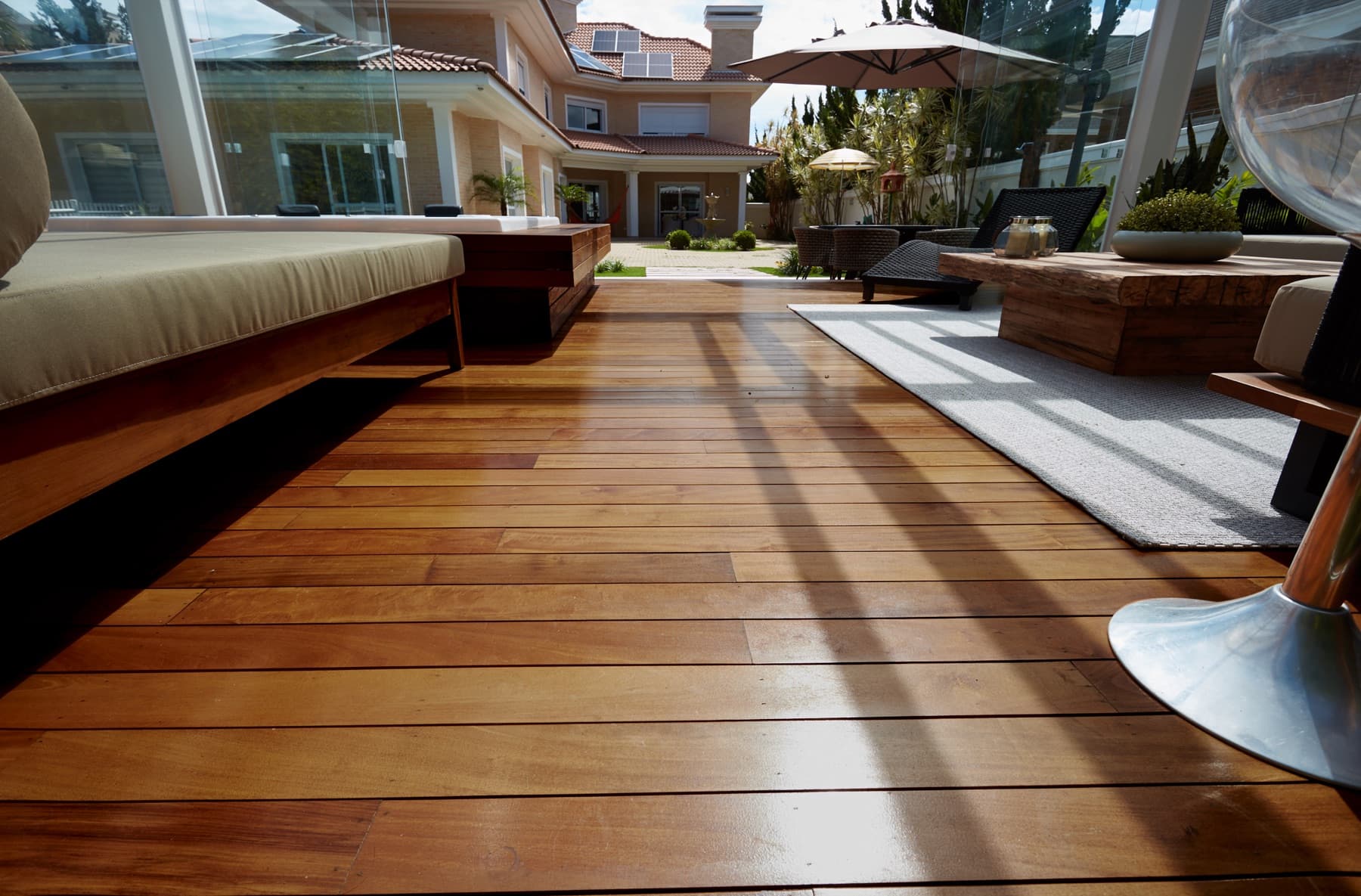
Assess the Existing Frame's Condition
Before considering any frame reuse, a thorough inspection of your existing deck's substructure is essential. This includes all joists, beams, posts, and ledger boards. Look for signs of rot, insect damage, or significant warping. Pay close attention to areas where wood meets the ground, concrete, or other structural elements, as these are often prone to moisture accumulation and decay.
Any compromised structural components must be repaired or replaced. Hardwood decking, especially dense species like Ipe or Cumaru, is heavier than many common decking materials. The frame must be sound enough to support the increased load over decades of service. A qualified professional's assessment can identify issues that might not be obvious to the untrained eye.
Verify Joist Spacing for Hardwood Decking
Hardwood decking requires specific support to prevent bowing, cupping, or movement. Wider boards or thinner profiles may necessitate even tighter spacing.
If your current joist spacing exceeds the recommended maximum for your chosen hardwood species and profile, the frame is not suitable for direct resurfacing without modification. You may need to add additional joists or install blocking to reduce the effective span.
Check Fastener Compatibility and Substructure Preparation
The type of fasteners you plan to use for your new hardwood decking also influences frame suitability. Hidden fastening systems often require specific gaps between boards and may rely on precise joist alignment. Face-fastening, while more forgiving of minor irregularities, still demands a solid, level surface.
Ensure the top surfaces of your joists are clean, level, and free of protruding fasteners from the old decking. Any irregularities can transfer through the new hardwood boards and create an uneven surface. It is also an opportune time to consider applying a joist tape or membrane to protect the joists from moisture and extend their lifespan, especially when installing a long-lasting material like hardwood.
Consider Drainage and Ventilation
Proper drainage and ventilation are crucial for the longevity of both your hardwood decking and the underlying frame. Ensure that water can freely drain away from the deck surface and that air can circulate underneath. This prevents moisture buildup, which can lead to rot and mold.
If your existing frame design has poor ventilation or drainage, address these issues during the resurfacing project. This might involve clearing obstructions, ensuring adequate ground clearance, or even redesigning elements to promote better airflow. Hardwood decking species like Ipe and Cumaru are naturally resistant to rot and mold, but good ventilation further enhances their performance. (S2)
Worked Example: Joist Spacing Assessment
Let's consider a hypothetical 10-foot by 12-foot deck. You plan to install 5/4x6 Ipe decking.
To meet this requirement, you would need to add intermediate joists. This modification ensures the new Ipe decking receives adequate support, preventing future issues. This example assumes the existing joist material and size are sufficient to carry the additional load of the new joists and heavier decking; this must be verified by a professional.
This project would involve purchasing additional joist material, appropriate hangers or fasteners for the new joists, and factoring in the labor for this structural modification.
Before you order
- Have I thoroughly inspected the entire frame for rot, insect damage, or structural weakness?
- Are the joist tops level and free of old fasteners or debris?
- Is there adequate drainage and ventilation beneath the deck?
- Have I consulted with a qualified contractor or structural engineer regarding the frame's integrity?
- Have I accounted for the increased weight of hardwood decking in my assessment?
- Are there any local building codes or regulations that need to be considered for resurfacing?
- Do I need to apply joist tape or other protective measures to the existing frame?
- Are the ledger board and attachment to the house sound and secure?
- Is the overall deck structure (posts, beams) stable and plumb?
Confirm installation details, approved uses and warranty terms in the current instructions for the exact product and profile. Your installer should verify the substrate, structure and applicable project requirements.
Questions to help you decide
Is hardwood decking much heavier than composite or treated lumber?
Yes, dense tropical hardwoods like Ipe and Cumaru are significantly denser and heavier than most composite materials or pressure-treated lumber. This increased weight is a key reason why verifying the strength and joist spacing of your existing frame is so important. For example, Ipe has an air dry density of 5.75 lbs/bf, which contributes to its durability. (S1)
What if my existing deck frame has wider joist spacing than recommended?
If your existing joist spacing is wider than the manufacturer's recommendation for your chosen hardwood decking, you will need to add additional joists or blocking to bring the spacing within acceptable limits. Failing to do so can lead to an unstable deck surface, premature wear, and potential structural issues with the decking boards over time.
Do I need to replace my ledger board when resurfacing?
The ledger board, which attaches the deck frame to your house, is a critical structural component. If it shows any signs of rot, damage, or improper attachment, it should be replaced or reinforced. Even if it appears sound, it's wise to have it inspected by a professional, as its integrity is paramount to the deck's safety and longevity.
Ready to Transform Your Deck with Hardwood?
Provide your project dimensions, desired hardwood profile, and ZIP code to request a material quote. Our team can help confirm current availability and service options for your resurfacing project. We recommend consulting with a professional installer to confirm your existing frame's suitability before placing your order.
Request a material quote →