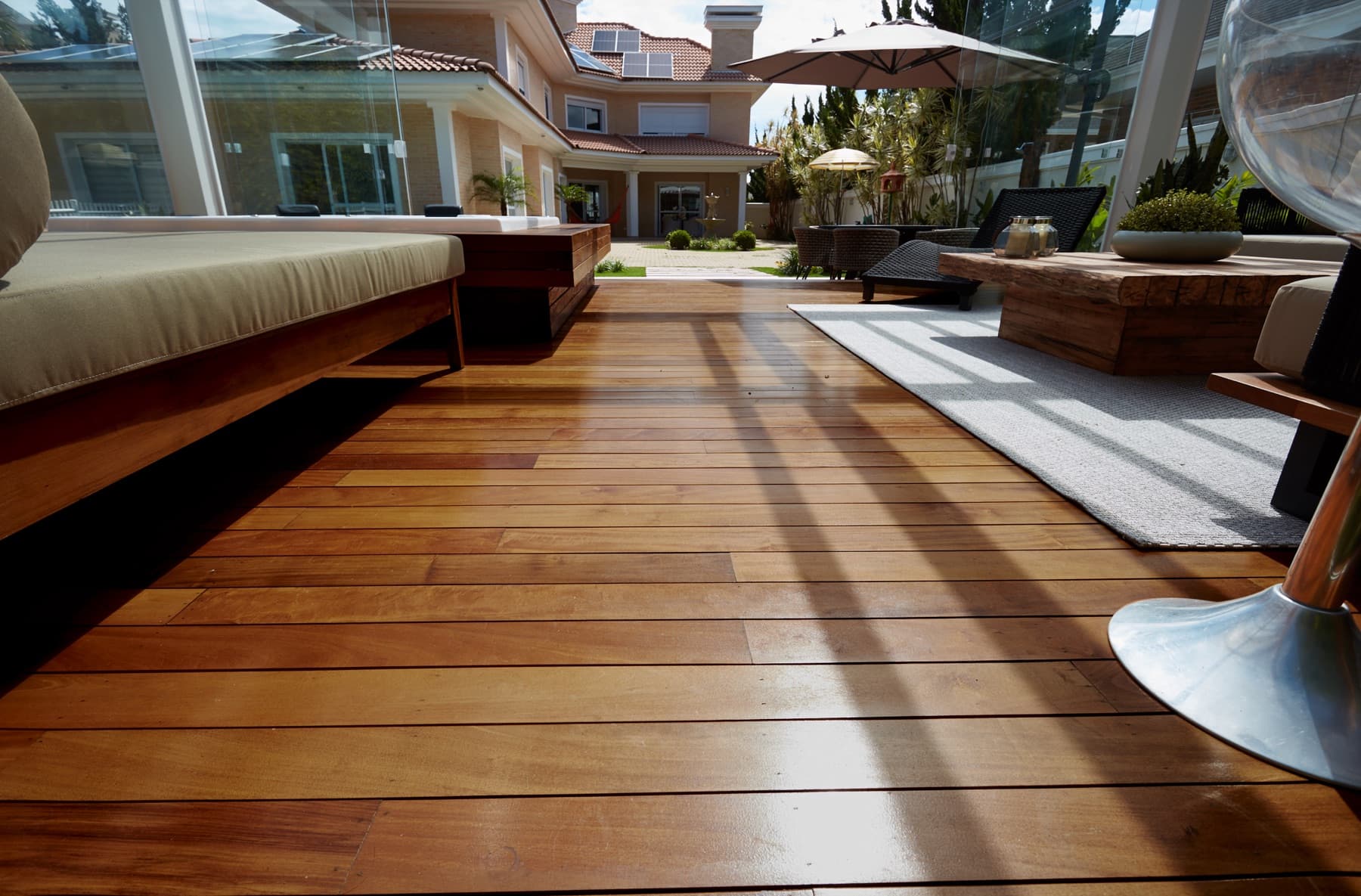
Understanding Hardwood's Natural Weathering Process
Hardwood decking, particularly species like Ipe and Cumaru, is renowned for its inherent durability and natural resistance to rot, insects, and decay. When left untreated and exposed to the elements, these hardwoods undergo a natural weathering process. Over time, the sun's UV rays and exposure to moisture will cause the wood pigments to break down, resulting in a beautiful, uniform silvery-gray patina.
This weathered look is often desired for its classic, understated elegance, blending seamlessly with natural landscapes and offering a low-maintenance aesthetic. It is important to understand that this color change is purely superficial and does not compromise the structural integrity or lifespan of the hardwood. The wood remains just as robust and resistant to the elements as it was in its original state.
For Ipe, specifically, leaving it untreated will allow it to weather to a beautiful silvery-gray patina. This process typically begins within a few months to a year, depending on sun exposure and climate. Cumaru also develops a similar silver-gray hue when left to weather naturally.
Maintaining Original Hardwood Color with Sealers
If the rich, vibrant tones of your hardwood decking are what you desire to preserve, applying a UV-blocking sealer is the recommended approach. These sealers penetrate the wood, protecting it from the sun's damaging UV rays, which are the primary cause of the graying process. They also help to repel water, reducing the likelihood of surface mildew and keeping the wood looking fresh.
For species like Ipe, which feature colors ranging from reddish-brown to olive-brown, a UV-blocking sealer will help retain these deep hues. Similarly, Cumaru's warm, often reddish-brown tones can be preserved with regular sealing. The choice of sealer can also influence the final look, with some products enhancing the wood's natural grain and providing a subtle sheen.
It is crucial to select a sealer specifically formulated for exterior hardwood decking. These products are designed to withstand outdoor conditions and offer the necessary UV protection. Regular reapplication, typically annually or biennially depending on the product and exposure, is essential to maintain the desired color and protection.
Appearance of Specific Hardwood Species
Each hardwood species offers a distinct initial appearance that will either weather or be maintained. Ipe, also known as Brazilian walnut, is prized for its deep reddish-brown to olive-brown coloration and bold grain. This rich color is what many seek to preserve with a sealer.
Cumaru, another durable tropical hardwood, typically presents with warm, often reddish-brown tones, sometimes with a slight golden or yellowish cast. When worked, Cumaru can also give off a scent of cinnamon and vanilla. Its initial appearance is often compared to Ipe but with subtle differences in undertone.
Garapa is known for its lighter, golden-toned appearance, offering a brighter aesthetic than Ipe or Cumaru. Tigerwood, as its name suggests, features dramatic, contrasting dark stripes against a lighter background, creating a striking visual effect. Understanding these initial appearances helps in deciding whether to let them weather or maintain their specific character.
Maintenance Implications of Each Choice
The decision to let your hardwood deck weather naturally or to maintain its original color directly impacts your maintenance routine. A naturally weathered deck requires minimal maintenance. A simple wash once a year to remove dirt and debris is generally sufficient. There is no need for regular reapplication of sealers, which saves time and material costs.
Conversely, maintaining the original color of your hardwood deck necessitates an annual application of a UV-blocking oil or sealer. This task involves cleaning the deck thoroughly, allowing it to dry, and then applying the finish according to the manufacturer's instructions. While this adds a maintenance step, it ensures the deck retains its vibrant initial appearance.
Both approaches, however, benefit from basic cleaning. A wash once a year helps prevent the buildup of grime and mildew, regardless of whether the deck is sealed or left to weather. This routine cleaning is crucial for the longevity and aesthetic appeal of any outdoor wood surface.
Worked Example: A 200 Sq Ft Ipe Deck
Let's consider a hypothetical 10-foot by 20-foot Ipe deck (200 square feet) for a homeowner. The goal is to decide on the finished appearance.
Option 1: Natural Weathering. The homeowner decides to let the Ipe deck weather naturally to a silvery-gray patina. Initial steps involve proper installation and a thorough cleaning after construction. Annually, they will clean the deck with a mild detergent and water to remove dirt and pollen. No sealing or staining is required, reducing ongoing material and labor costs. The deck's color will gradually shift over the first year, eventually settling into its silver-gray hue. Structurally, the deck remains sound, benefiting from Ipe's natural resistance.
Option 2: Maintaining Original Color. The homeowner prefers to keep the Ipe's rich reddish-brown to olive-brown color. After installation and cleaning, they apply a high-quality UV-blocking hardwood decking sealer. This application needs to be repeated annually. This involves purchasing the sealer, brushes/applicators, and dedicating time for application. This choice preserves the aesthetic but adds a recurring maintenance task and material expense.
This example illustrates the direct trade-off between the desired aesthetic and the ongoing maintenance commitment. Both are valid choices depending on the homeowner's preference and willingness to perform regular upkeep.
Before you order
- Desired Aesthetic: Do I prefer a rich, warm wood tone or a sophisticated silvery-gray patina?
- Maintenance Commitment: Am I willing to reapply a UV-blocking sealer annually, or do I prefer minimal upkeep?
- Project Budget: Have I factored in the recurring cost of sealers and application supplies if I choose to maintain the original color?
- Surrounding Environment: How will the chosen finish complement my home's exterior and landscaping?
- Sun Exposure: How much direct sunlight will the deck receive? Higher exposure accelerates natural weathering and may require more frequent sealer reapplication.
- Hardwood Species: What are the natural characteristics and color range of my chosen hardwood (e.g., Ipe, Cumaru, Garapa, Tigerwood)?
- Long-Term Vision: Do I want a consistent color over decades, or am I comfortable with a gradual, natural change?
Confirm installation details, approved uses and warranty terms in the current instructions for the exact product and profile. Your installer should verify the substrate, structure and applicable project requirements.
Questions to help you decide
Does leaving hardwood decking untreated shorten its lifespan?
No, leaving hardwood decking untreated does not shorten its structural lifespan. Hardwoods like Ipe and Cumaru are naturally dense and resistant to rot, insects, and decay. The graying process is a superficial change caused by UV exposure and does not compromise the wood's inherent durability or longevity. A wash once a year helps prevent the buildup of grime and mildew.
How often should I reapply a UV-blocking sealer to maintain the original color?
The frequency of reapplication for a UV-blocking sealer typically ranges from annually to every two years, depending on the specific product used, the amount of sun exposure the deck receives, and local climate conditions. It is essential to follow the manufacturer's instructions for the specific sealer you choose. Regular cleaning is also recommended.
Can I switch from a weathered look to a sealed look later on?
Yes, it is generally possible to restore a weathered hardwood deck to a closer approximation of its original color by cleaning it thoroughly with a wood brightener or restorer and then applying a UV-blocking sealer. The results may vary depending on the depth of weathering and the species of wood. Consulting with a professional or testing on a small, inconspicuous area is advisable before treating the entire deck.
Ready to Plan Your Hardwood Decking Project?
Request a material quote with your project dimensions, desired hardwood profile, and ZIP code. Our team can confirm current availability and service options to help you choose the perfect finish for your outdoor space.
Request a material quote →