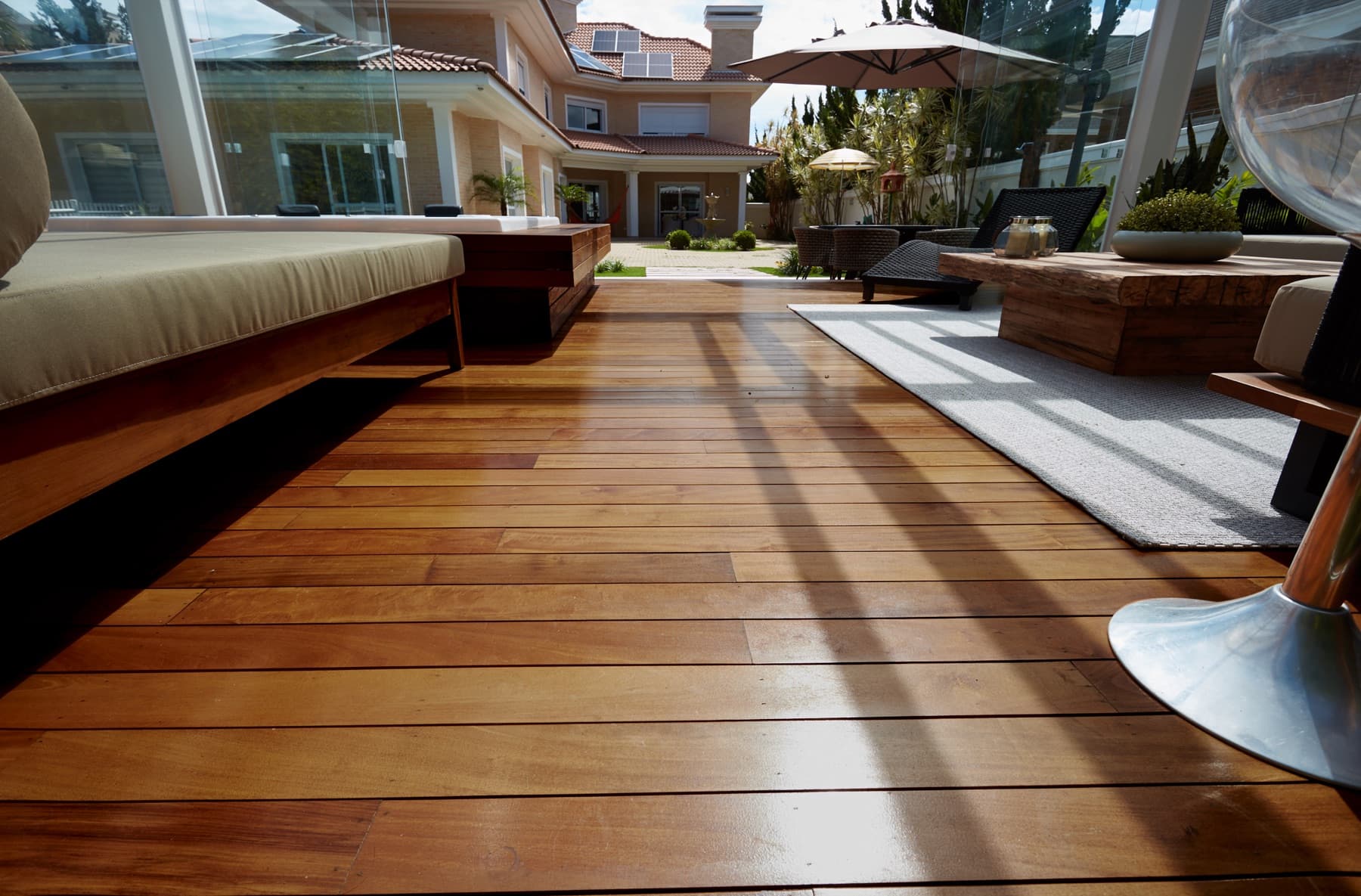
Visual Impact and Design Considerations
A diagonal decking pattern, typically laid at a 45-degree angle to the house or primary structure, offers a distinct visual appeal. It can create a perception of depth and width, making a compact deck appear larger. The lines draw the eye across the space, adding architectural interest that a straight layout might not achieve. This approach is particularly effective for contemporary designs or when you want to highlight a specific feature of your outdoor area.
When considering a diagonal layout, think about how it integrates with surrounding elements like pathways, garden beds, or existing structures. The angle can either complement or contrast with these features, so visualize the finished look carefully. Hardwood species like Ipe or Cumaru, with their rich, varied grain patterns, can further enhance the visual complexity of a diagonal design, creating a luxurious and bespoke feel.
While aesthetically pleasing, a diagonal layout can be more complex to install, which might impact labor costs. The increased number of cuts and the need for precise angles require skilled craftsmanship to ensure a clean, professional finish.
Increased Material Needs and Waste Management
One of the primary differences when planning a diagonal layout is the increased material requirement compared to a straight layout. Boards laid diagonally will be longer relative to the deck's width, and the angled cuts at the perimeter of the deck result in more non-reusable waste. It is common to estimate 15-20% more material for a diagonal layout than for a traditional one.
Consider a hypothetical rectangular deck measuring 10 feet by 12 feet. For a straight layout, you might calculate 120 square feet of coverage plus a standard waste factor. For a diagonal layout, the effective length of each board spanning the width will be approximately 1.414 times the width (for a 45-degree angle). This geometric reality, combined with the triangular waste pieces at the edges, necessitates a higher initial material order.
To minimize waste, careful planning of board lengths and a detailed cut plan are essential. This often involves using longer boards where possible and strategically utilizing offcuts for shorter sections or other parts of the project, such as fascia or trim, if compatible. Always confirm the available lengths and profiles of your chosen hardwood species, such as Ipe or Cumaru, with your supplier, as this can influence your cutting strategy.
For example, if you are using 1x6 Ipe boards (actual dimensions approximately 0.75" x 5.5"), a 10-foot by 12-foot deck laid diagonally would require significantly more linear footage than the 240 linear feet (120 sq ft / 0.458 ft per board) a straight layout might suggest. The actual purchase quantity will be higher to account for longer diagonal runs and perimeter waste. A material quote should factor in these waste percentages specific to diagonal installation.
Adjusted Joist Spacing and Structural Support
A diagonal decking layout changes how the load is distributed across your deck's substructure. When boards are laid perpendicular to the joists, each board is supported by multiple joists along its length. In a diagonal layout, each board crosses joists at an angle, potentially reducing the effective support span for individual boards.
To compensate for this, it is often recommended to reduce the joist spacing or add blocking between joists to provide more frequent support points for the diagonal boards. While many hardwoods like Ipe and Cumaru are exceptionally dense and strong, they still require adequate support to prevent deflection and ensure the longevity of the deck surface.
Always consult the specific installation guidelines for your chosen hardwood species and board dimensions. This adjustment in substructure can increase the complexity and material cost of the deck frame itself. Ensure your deck frame is designed to accommodate the diagonal layout from the outset.
Manufacturer Spacing and Fastening Requirements
Regardless of the layout, adherence to manufacturer-recommended board spacing and fastening methods is critical for the performance and durability of your hardwood deck. Hardwood decking, especially dense species like Ipe, Cumaru, or Garapa, experiences natural expansion and contraction with changes in humidity and temperature. Proper spacing allows for this movement and facilitates drainage.
For diagonal layouts, the angles of the cuts at the deck perimeter must be precise to maintain consistent spacing. Hidden fastening systems, if compatible with your chosen hardwood profile, can maintain a clean surface appearance while allowing for board movement. If face-fastening, ensure screws are installed at appropriate angles and depths to prevent splitting and provide secure attachment.
Always refer to the specific installation instructions provided for the hardwood decking you select. These guidelines will specify the minimum gap required between boards, recommended fastener types, and any special considerations for diagonal installation. Deviating from these recommendations can compromise the deck's stability and appearance over time.
The Lumber Plus Hardwood Decking Range
Lumber Plus offers a range of high-density hardwood decking species suitable for demanding outdoor applications, including diagonal layouts. Our selection includes:
Ipe: Known as Brazilian walnut, Ipe is a benchmark hardwood with exceptional durability and a rich reddish-brown to olive-brown color. It is highly resistant to rot, insects, and weather changes, making it ideal for projects requiring longevity and resilience. Ipe is available in various profiles and lengths to suit diverse project needs.
Cumaru: A very durable tropical hardwood, Cumaru is resistant to termites and weather changes. Cumaru provides a beautiful, natural aesthetic with tones ranging from reddish-brown to golden-brown.
Garapa: Often chosen for its golden tone and value, Garapa is another durable option, offering good resistance to decay and insects. It is a solid choice for those seeking a lighter hardwood aesthetic with reliable performance.
Tigerwood: For a dramatic visual impact, Tigerwood features a striking striped grain pattern. It is highly durable and resistant to rot and insects, making it a distinctive choice for a standout diagonal deck.
When planning a diagonal layout, the inherent strength and stability of these hardwoods are advantageous. However, precise cutting and careful installation remain crucial to maximize their performance and achieve the desired aesthetic.
Before you order
- Have I accounted for 15-20% additional material for diagonal cuts and waste?
- Is my deck substructure designed with adequate joist spacing or blocking for diagonal decking?
- Have I confirmed the manufacturer's recommended board spacing for my chosen hardwood species?
- Do I have a detailed cut plan to minimize waste and ensure precise angles at the deck perimeter?
- Have I chosen a fastening system compatible with both the hardwood and a diagonal layout?
- Have I considered the visual impact of the diagonal pattern in relation to my home and yard?
- Is my installer experienced with diagonal hardwood decking layouts and their specific requirements?
Confirm installation details, approved uses and warranty terms in the current instructions for the exact product and profile. Your installer should verify the substrate, structure and applicable project requirements.
Questions to help you decide
Why does a diagonal deck layout require more material?
A diagonal layout requires more material because the boards are longer relative to the deck's width, and the angled cuts at the perimeter create more unusable waste. This typically increases material needs by 15-20% compared to a straight layout.
Do I need different joist spacing for a diagonal deck?
Yes, a diagonal layout often requires reduced joist spacing or additional blocking between joists. This provides more frequent support points for the boards, compensating for the altered load distribution and ensuring proper stability for the decking material.
Can I use hidden fasteners with a diagonal hardwood deck?
Many hidden fastener systems are compatible with diagonal hardwood decking, but it's essential to verify compatibility with your specific hardwood profile and board dimensions. Always consult the fastener manufacturer's instructions and your decking supplier to ensure the chosen system can accommodate the angled installation and proper board spacing.
Ready to Plan Your Diagonal Hardwood Deck?
Request a material quote with your project dimensions, desired hardwood profile, and ZIP code. Our team can help confirm current availability and service options for your unique project.
Request a material quote →