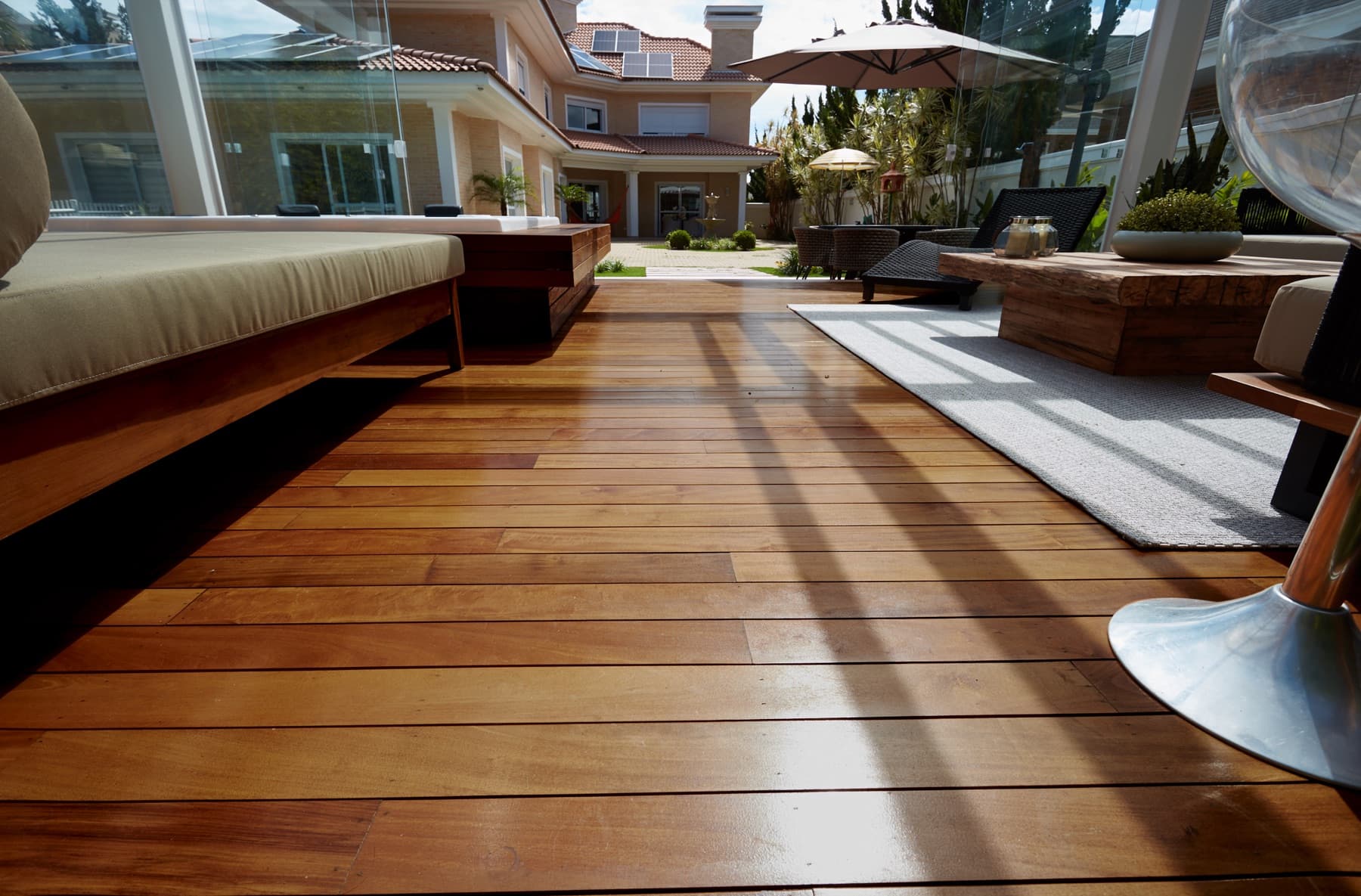
Defining Your Gathering Zones
Before selecting your hardwood decking, visualize the primary activities that will take place in your backyard. A typical gathering space might include a cooking zone, a dining area, and a lounging space. Each zone has distinct requirements that influence material choice, layout, and finish.
For instance, a cooking zone near a grill or outdoor kitchen needs a surface that is easy to clean and can withstand potential spills. The dining area requires a stable, comfortable surface for chairs and tables. The lounging zone might benefit from a smoother finish or a layout that encourages a relaxed atmosphere. Clearly defining these zones early in the planning process will guide your material and design decisions.
Selecting the Right Hardwood Species for Durability and Aesthetics
Hardwood decking is known for its durability and natural resistance to decay, insects, and weather. Popular Brazilian hardwood species like Ipe, Cumaru, and Garapa offer different characteristics that can suit specific gathering needs.
Ipe, also known as Brazilian Walnut, is a benchmark for outdoor decking due to its exceptional density and longevity. Its reddish-brown to olive-brown tones can add a luxurious feel to any gathering space. Ipe is suitable for high-traffic cooking and dining areas where resilience is paramount.
It is resistant to termites and weather changes, making it a dependable choice for demanding builds. Cumaru offers stiffness and strength, and its color often ranges from a medium to reddish-brown, providing a warm aesthetic. Garapa is a value option with a golden tone, offering good durability and a lighter appearance for those seeking a brighter deck.
When choosing, consider not only the inherent properties but also how the wood's natural color will complement your home's exterior and landscaping. Hardwood can be left untreated to weather to a silvery-gray patina or regularly oiled to maintain its original rich color.
Board Layout and Pattern for Functional Zones
The layout of your hardwood decking boards can subtly define different gathering zones without needing physical barriers. Consider using changes in board direction or incorporating a picture-frame border to delineate areas.
For a cooking zone, a straightforward parallel layout might be most practical, allowing for easy cleaning and a clear path to the grill. In the dining area, a similar layout can work well, ensuring stability for furniture. For a lounging zone, you might introduce a diagonal pattern or a different board width to create a visual break and a more relaxed feel. A picture-frame border around the entire deck or specific zones can add a refined touch and clearly define the edges of your gathering space.
When planning board lengths, consider minimizing seams in high-traffic areas for a cleaner look and smoother surface. Longer boards can create a more expansive feel, while shorter boards might be used in more intricate patterns or smaller zones.
Finishing Touches: Color and Texture
The finished appearance of your hardwood deck significantly impacts the overall ambiance of your gathering space. Hardwood decking can be left to naturally weather to a silvery-gray patina, or it can be treated with a UV-blocking sealer to preserve its original color.
If you prefer the rich, warm tones of Ipe or Cumaru, an annual application of a UV-blocking oil will help maintain their vibrant hues. This also provides a smoother surface texture that can be pleasant underfoot, especially in lounging areas where guests might go barefoot. If you opt for the natural graying, the deck will still be structurally sound, but the surface might feel slightly different. Test any cleaning products on an inconspicuous area first to ensure compatibility and avoid discoloration.
The texture of the boards themselves can also play a role. Some profiles offer a smooth finish, while others may have a slight reeded or grooved surface. For a gathering space, a smooth profile is generally preferred for comfort and ease of cleaning.
Worked Example: Designing a Multi-Zone Backyard Deck
Let's consider a hypothetical backyard measuring 20 feet by 30 feet, where the goal is to create distinct zones for cooking, dining, and lounging using Ipe hardwood decking. We'll assume a standard 1x6 (nominal) Ipe board, which typically finishes around 0.75 inches thick by 5.5 inches wide, available in various lengths from 3 to 24 feet.
**Zone 1: Cooking Area (8 ft x 10 ft)** - Located near the house entrance, this 80 square foot zone will house a grill and a small prep counter. We'll use a straightforward parallel board layout running perpendicular to the house for easy drainage and cleaning. For the 10-foot length, this means 18 boards, each 10 feet long.
**Zone 2: Dining Area (12 ft x 15 ft)** - Adjacent to the cooking area, this 180 square foot zone will accommodate a large dining table and chairs. To subtly distinguish it, we can maintain the same board direction but frame it with a single picture-frame border using Ipe boards. This requires approximately 26 boards for the 12-foot width, each 15 feet long, plus additional boards for the border.
**Zone 3: Lounging Area (10 ft x 15 ft)** - Positioned further into the yard, this 150 square foot zone will feature comfortable seating. To create a distinct visual, we can lay the Ipe boards diagonally. This requires more careful cutting and potentially more waste, but it visually separates the space. Approximately 26 boards for the 10-foot width, each 15 feet long, cut diagonally.
**Overall Calculation:** For the total area of 410 square feet, approximately 897 linear feet of 1x6 Ipe boards (assuming 2.2 linear feet per square foot for 5.5-inch wide boards) would be a starting point. However, due to cuts, waste, and the diagonal layout, a buffer of 10-15% is advisable. This hypothetical example highlights how board direction and borders can define zones without physical partitions, using the inherent beauty and durability of Ipe hardwood.
Before you order
- Define primary gathering activities (cooking, dining, lounging).
- Determine required deck dimensions for each zone.
- Select hardwood species based on durability, aesthetics, and maintenance preferences (e.g., Ipe, Cumaru, Garapa).
- Plan board layout for each zone (parallel, diagonal, borders) to guide traffic and define space.
- Decide on desired finish: natural weathering or oiled to maintain original color.
- Consider board profile (smooth vs. textured) for comfort and cleaning.
- Account for potential spills and cleaning needs in cooking areas.
- Factor in furniture placement and stability for dining and lounging zones.
- Consult local building codes and structural requirements for deck construction.
- Request material quotes with exact dimensions, preferred profile, and ZIP code.
Confirm installation details, approved uses and warranty terms in the current instructions for the exact product and profile. Your installer should verify the substrate, structure and applicable project requirements.
Questions to help you decide
How do different hardwood species perform in a high-traffic gathering area?
Hardwood species like Ipe and Cumaru are exceptionally dense and durable, making them ideal for high-traffic gathering areas. They are also naturally resistant to rot, insects, and weather, ensuring longevity even with frequent use.
Can I mix different board widths or patterns to define zones?
Yes, mixing board widths or changing patterns is an effective way to define different gathering zones on your deck. For example, you could use a standard parallel layout for a dining area and switch to a diagonal pattern or a wider board for a lounging space. Incorporating a picture-frame border around a specific zone can also create a clear visual distinction.
What maintenance is required to keep hardwood decking looking good in a gathering space?
Hardwood decking is relatively low maintenance. A yearly wash is generally sufficient. If you wish to preserve the original reddish-brown or olive-brown color of species like Ipe or Cumaru, an annual application of a UV-blocking oil is recommended. If left untreated, the wood will naturally weather to a silvery-gray patina without affecting its structural integrity. Regular cleaning helps remove spills and debris, especially in cooking and dining areas.
Plan Your Hardwood Decking Project for Backyard Gatherings
Ready to design a durable and beautiful hardwood deck for your gathering space? Request a material quote today with your project dimensions, preferred hardwood profile, and ZIP code to confirm current availability and service options. Our team can help you select the ideal species and quantities for your vision.
Request a material quote →