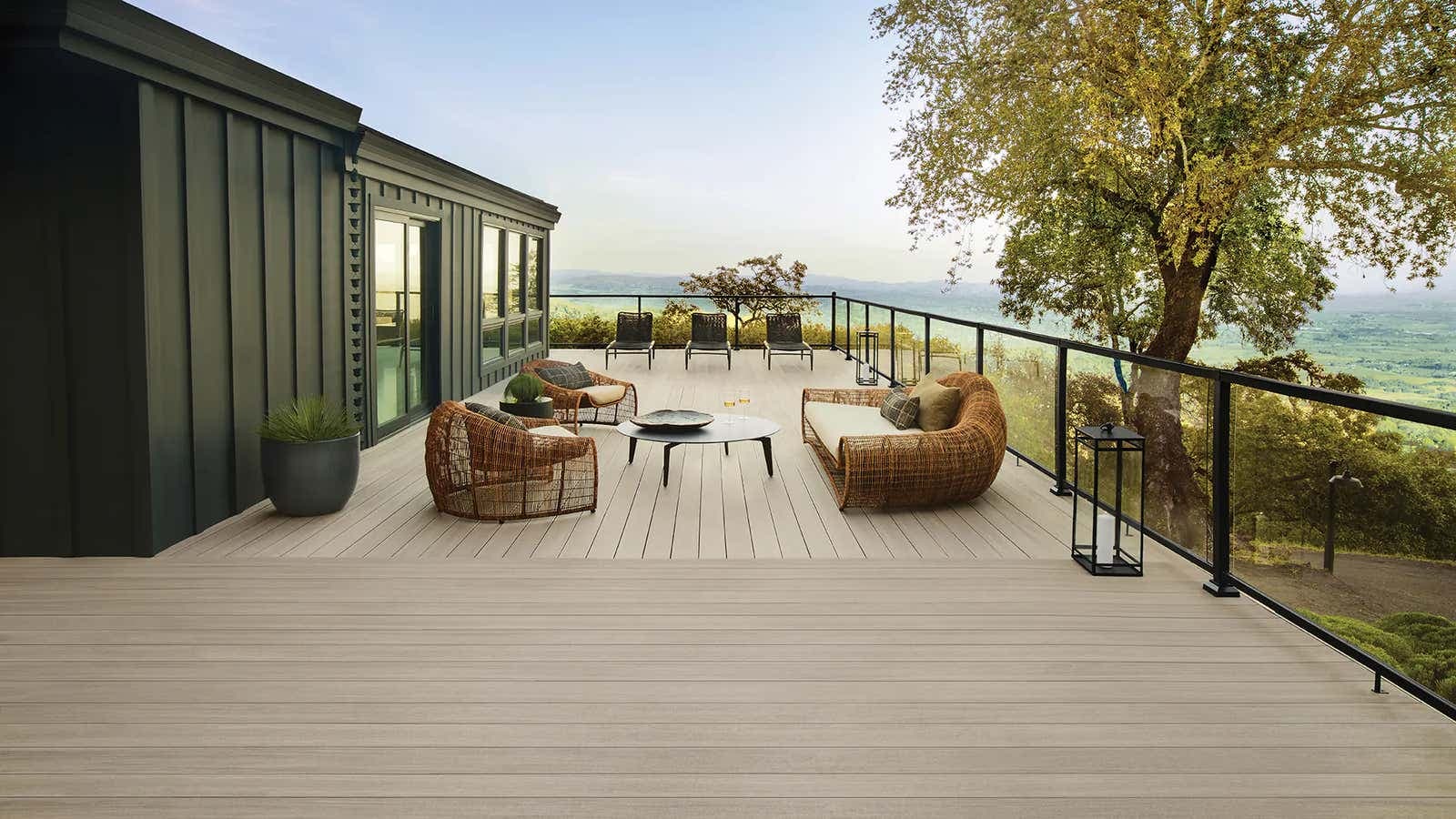
Understanding the Unique Challenges of Shaded Decks
Shaded decks, whether under a large tree canopy, a covered porch, or adjacent to a tall building, experience less direct sunlight and often reduced airflow compared to fully exposed decks. This environment can prolong drying times after rain or dew, which may contribute to the growth of mold, mildew, or algae on the deck surface. While composite decking is generally resistant to rot and insect damage, surface growth can affect its appearance and potentially create slippery conditions if not managed.
The primary challenge is moisture management. Without adequate sun to evaporate moisture quickly, the deck surface remains damp for longer periods. This doesn't inherently damage the composite material itself, but it does create a hospitable environment for organic growth. Planning for these conditions from the outset helps ensure your deck remains attractive and functional.
Choosing the Right Composite Decking Material
When selecting composite decking for a shaded area, consider products that offer enhanced resistance to moisture absorption and surface growth. Many modern composite boards feature a protective cap layer that encapsulates the core, providing an extra barrier against moisture and stains. This capped shell can be particularly beneficial in humid or shaded environments.
Brands like Trex, TimberTech, and Fiberon offer various capped composite lines. Some lines are engineered with specific surface treatments designed to inhibit mildew growth, making them suitable for areas prone to dampness. While all composites benefit from regular cleaning, choosing a product with a robust, low-porosity cap layer can simplify maintenance in a shaded setting. Look for options that advertise 'cooler-underfoot' or 'capped shells shrug off humidity' as these often indicate a more resilient surface layer. While specific performance claims need to be verified with manufacturer documentation, the presence of a durable cap is a key indicator.
Link: Composite Decking: /decking/composite
The Importance of Ventilation and Board Spacing
Proper ventilation is crucial for any deck, but it becomes even more critical for shaded decks to facilitate drying and reduce moisture retention. Ensure that there is adequate airflow both above and below the deck boards. This can be achieved through several design elements:
First, consider the deck's height above the ground. A deck built closer to the ground, especially without open sides, can trap moisture. Aim for sufficient clearance between the deck surface and the ground to allow air to circulate freely. For ground-level applications, a well-drained substrate, such as gravel, can help prevent moisture from wicking up.
Second, follow the manufacturer's recommended board spacing precisely. Even a small increase in the gap between boards can significantly improve airflow and drainage, allowing water to pass through and air to dry the deck surface more effectively. Do not assume universal spacing; refer to the specific product's installation guide. This spacing also helps prevent debris accumulation that can trap moisture.
Third, avoid blocking airflow around the perimeter of the deck with solid skirting or dense landscaping. If skirting is used, incorporate vents or lattice panels to maintain cross-ventilation. For decks beneath existing structures, such as covered porches or balconies, consider how air moves through the space and if any obstructions could create dead air pockets.
Effective Cleaning and Maintenance for Shaded Decks
Even with careful product selection and ventilation, shaded decks will likely require more frequent cleaning to manage surface growth. The good news is that composite decking is designed for low maintenance, typically requiring only a soap-and-water wash. Avoid harsh chemicals, abrasive cleaners, or pressure washers with high settings, as these can potentially damage the deck surface or void warranties. Always test any cleaning product on an inconspicuous area first.
A routine cleaning schedule is beneficial. For shaded decks, a quarterly or bi-annual light wash with a soft brush and a mild detergent (like dish soap) can help prevent the buildup of mold or mildew. For more stubborn areas, manufacturer-approved deck cleaners specifically formulated for composite materials can be used. These cleaners are designed to remove organic growth without harming the deck's finish.
Regularly sweep or blow off leaves, dirt, and other organic debris. This debris can trap moisture and provide a food source for mildew. Promptly remove any spills, especially those from food or drinks, to prevent staining. While composite decks are engineered for stain resistance, prolonged exposure to certain substances can still leave marks.
Worked Example: Planning a 12x10-foot Shaded Deck
Let's consider a hypothetical 12-foot by 10-foot deck situated under a large oak tree, receiving morning sun but remaining shaded for most of the afternoon. The deck will be built 18 inches off the ground.
1. **Material Selection:** Given the shade, we opt for a capped composite decking board, such as a Fiberon or TimberTech line known for its durable, low-porosity cap. We'll choose a lighter color to reflect ambient light, which can also help slightly with drying, though the primary benefit is aesthetic in a shaded setting. We confirm the chosen product's specific recommendations for shaded applications.
We will specify open lattice skirting panels on all sides to ensure continuous cross-ventilation. We also ensure that no dense shrubs or plants are immediately adjacent to the deck to avoid blocking airflow.
3. **Maintenance Plan:** We establish a plan for bi-monthly cleaning. This involves sweeping away leaves and debris, followed by a light scrub with a soft-bristle brush and a solution of mild dish soap and water. For any persistent green spots (algae/mildew), we will use a manufacturer-approved composite deck cleaner. We'll also ensure that gutters on the nearby house direct rainwater away from the deck area to minimize constant dripping onto the surface.
4. **Quantity Calculation (Hypothetical):** Assuming 12-foot long, 5.5-inch wide boards are used, and a 12x10-foot deck area (120 sq ft). For the 10-foot width, we need approximately 22 boards (10 ft * 12 inches/ft / 5.5 inches/board = 21.8 boards). Since boards are typically sold in full lengths, we'd purchase 22 boards at 12 feet each. This provides a small buffer for cuts and potential waste. The actual purchase quantity will depend on board length availability and the specific layout plan, including any picture framing or diagonal cuts.
Before you order
- Assess the degree and duration of shade on your deck area.
- Research composite decking with durable, low-porosity cap layers.
- Verify manufacturer recommendations for shaded or high-moisture applications.
- Plan for adequate sub-deck ventilation (clearance, skirting vents).
- Confirm and adhere to the exact board spacing recommended by the manufacturer.
- Establish a proactive cleaning schedule for debris and surface growth.
- Consider the impact of surrounding landscaping and drainage on moisture.
Confirm installation details, approved uses and warranty terms in the current instructions for the exact product and profile. Your installer should verify the substrate, structure and applicable project requirements.
Questions to help you decide
Can I use any composite decking in a shaded area?
While most composite decking is durable, for shaded areas, it's advisable to choose products with a robust, protective cap layer designed to resist moisture absorption and surface mildew. Brands like Trex, TimberTech, and Fiberon offer lines with enhanced protective shells that perform well in these conditions. Always check the specific product's documentation for recommendations on shaded or high-moisture environments.
How can I prevent mold and mildew on my shaded composite deck?
Prevention involves a combination of material choice, design, and regular maintenance. Choose capped composite decking, ensure excellent ventilation underneath and around the deck, and strictly follow recommended board spacing for drainage. Regularly sweep away debris, and clean the deck surface with a soft brush and mild soap and water, or a manufacturer-approved composite deck cleaner, especially after long periods of dampness.
Do I need special fasteners for composite decking in shaded areas?
The fasteners themselves typically don't need to be different for shaded areas. However, ensuring you use the correct fasteners (hidden or face fasteners) as specified by the decking manufacturer is critical for maintaining the proper board spacing. Correct spacing is key for drainage and ventilation, which helps mitigate moisture-related issues in shaded environments.
Ready to Plan Your Shaded Deck Project?
Request a material quote with your project dimensions, desired composite decking profile, and project ZIP code. We can help you confirm current availability and service options for your shaded deck.
Request a material quote →