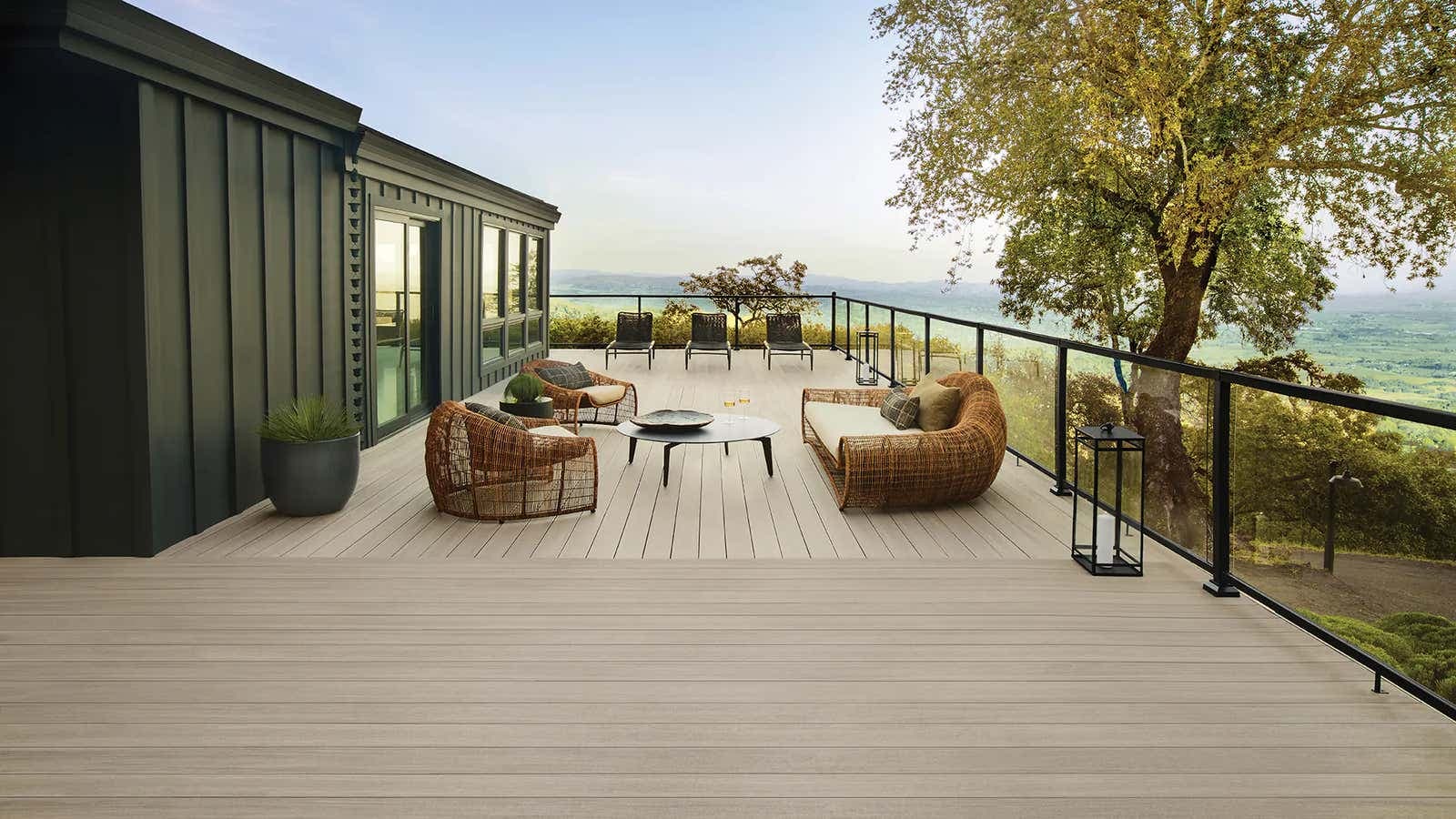
Understanding Initial Purchase Costs for Composite Decking
The primary initial cost for composite decking is the material itself. This includes the decking boards, fasteners (hidden or face-fastened), fascia, and any specialized trim pieces. Prices vary significantly based on the manufacturer, product line, color, and profile (e.g., solid vs. scalloped, capped vs. uncapped). Premium capped composite products often carry a higher initial cost due to their enhanced protective shells.
When requesting a quote, specify the collection, color, profile, and exact quantity needed. Remember to account for waste and potential future repairs. Installation labor is a separate cost, which depends on the complexity of your deck design and local labor rates. These initial investments represent the largest single outlay for most projects.
Minimal Ongoing Maintenance for Composite Decking
One of the key advantages often cited for composite decking is its low maintenance profile. Unlike natural wood, composite decking does not require sanding, staining, or sealing. The manufacturer's instructions typically recommend an annual wash with soap and water to remove dirt, pollen, and mildew. This task can often be completed by the homeowner, reducing professional service costs.
Specific cleaning products may be recommended or prohibited by the manufacturer; always consult the product's care guide. Avoid harsh chemicals or pressure washers that could damage the surface, especially for capped boards. This routine cleaning is generally less labor-intensive and frequent than the care required for many wood decks.
Comparing Lifecycle Tasks: Composite vs. Wood Decking
To illustrate the difference in ownership tasks, consider a typical wood deck. A wood deck often requires annual or biennial cleaning, sanding, and reapplication of stain or sealant. This process is time-consuming and can involve purchasing various materials like cleaners, sanders, brushes, and protective finishes. Over several years, these repeated tasks accumulate in both effort and expense.
In contrast, composite decking largely eliminates these intensive tasks. The primary ongoing task is a simple annual cleaning. This difference in required labor and material costs for maintenance is a significant factor in the long-term budget. While composite decking might have a higher upfront material cost, the reduction in maintenance tasks can offset this over time.
Fade and Stain Resistance
Many composite decking products, particularly those with a capped shell, are engineered to resist fading and staining. This resistance helps maintain the deck's appearance over time without the need for frequent re-staining or re-finishing. Manufacturers like Trex, TimberTech, and Fiberon offer specific warranties against fade and stain, providing a measure of protection for your investment.
While highly resistant, no material is entirely impervious to all forms of staining or fading. Prompt cleaning of spills is always recommended. The consistent color and grain of composite boards, as opposed to the natural variations and weathering of wood, contribute to a predictable aesthetic over its service life.
Recycled Content and Environmental Considerations
Some composite decking manufacturers emphasize the use of recycled materials in their products. For example, some Trex decking can contain up to 95% recycled content, including sawdust and plastic film. This aspect may appeal to those prioritizing sustainable building materials.
While not directly a cost factor, the environmental profile can be a consideration in the overall value proposition of composite decking. Understanding the composition of the materials can inform your decision, aligning with personal or project-specific sustainability goals.
Before you order
- Calculate the square footage of your deck project.
- Obtain quotes for composite decking materials, specifying collection, color, and profile.
- Estimate installation labor costs based on your project's complexity.
- Factor in costs for fasteners, fascia, and any special trim pieces.
- Allocate a budget for annual cleaning supplies (soap, water, soft brush).
- Consider the time commitment for annual cleaning versus traditional wood deck maintenance.
- Review manufacturer warranties for fade and stain resistance.
- Evaluate the long-term aesthetic consistency of composite versus the natural weathering of wood.
- Consider the environmental profile of the chosen composite product, if applicable.
Confirm installation details, approved uses and warranty terms in the current instructions for the exact product and profile. Your installer should verify the substrate, structure and applicable project requirements.
Questions to help you decide
What is the primary maintenance for composite decking?
The primary maintenance for most composite decking products is an annual wash with soap and water. This helps remove dirt, pollen, and mildew to keep the deck looking clean. Unlike wood, composite decking does not require sanding, staining, or sealing.
Does composite decking fade over time?
Many modern composite decking products, especially those with a capped shell, are engineered to resist fading. Manufacturers often provide warranties against significant fade and stain. While highly resistant, some minimal change might occur over many years, but it is generally much less pronounced than the natural weathering of unstained wood.
Are there 'cooler-under-foot' composite options?
Yes, some manufacturers offer composite decking lines designed to be cooler underfoot. These options typically incorporate specific material formulations or surface technologies to mitigate heat absorption, which can be a consideration for decks in direct sunlight.
Request a Material Quote for Your Composite Decking Project
Ready to plan your deck? Provide your project dimensions, desired composite decking profile, and project ZIP code to request a material quote. We can help you confirm current availability and service options for Trex, TimberTech, Fiberon, and Norx composite decking lines.
Request a material quote →