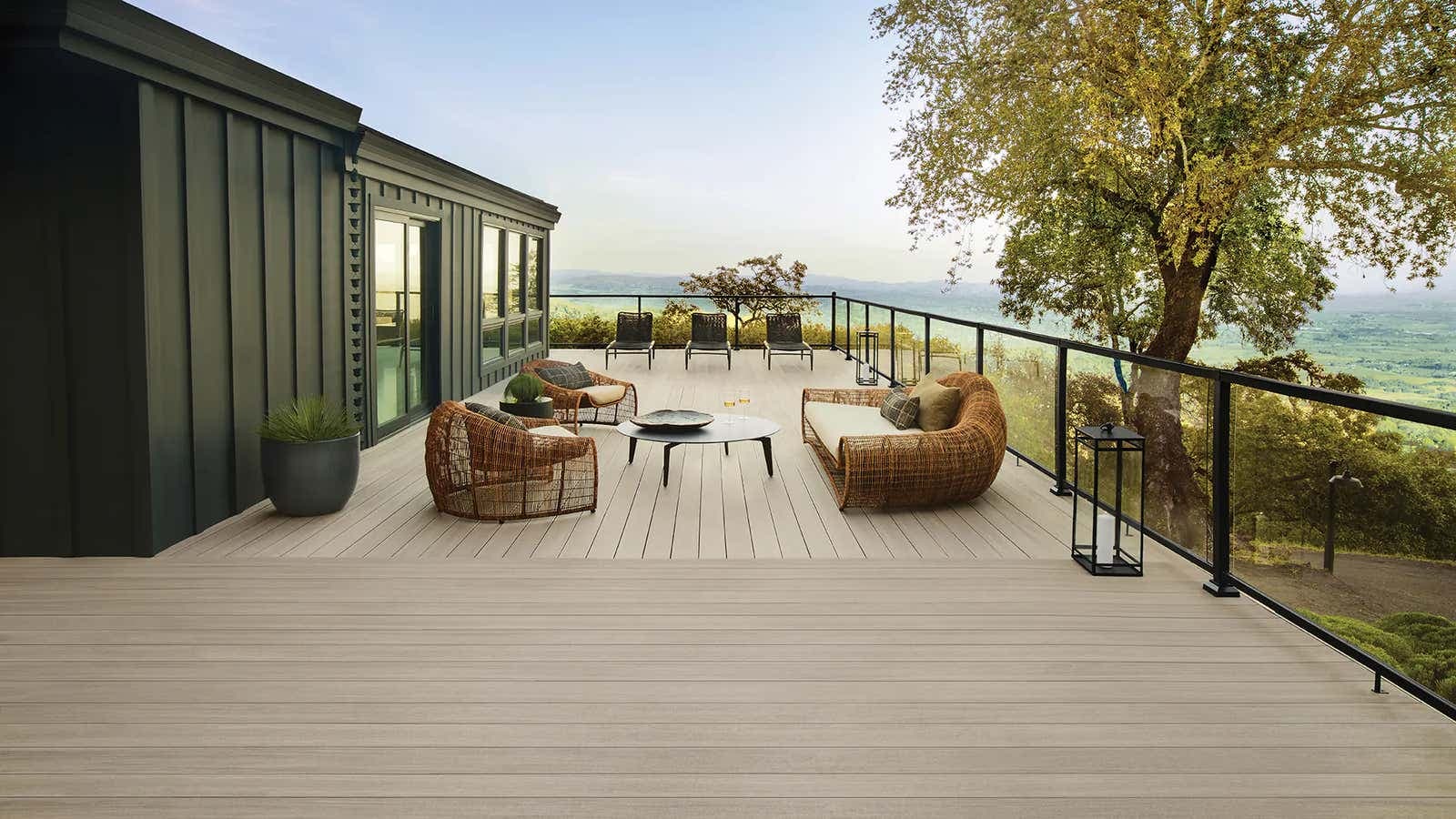
Understanding Heat Absorption in Composite Decking
Composite decking is manufactured from a blend of wood fibers and recycled plastics, often with a protective cap. The specific composition and color of the boards determine how much solar energy they absorb and retain. Darker colors, for instance, naturally absorb more heat than lighter shades. This can lead to a noticeably warmer surface, which might be uncomfortable for bare feet on a hot day.
Some manufacturers offer 'cooler-underfoot' options, which are engineered with specific pigments or material blends to reflect more solar radiation. While no material will remain perfectly cool in direct sun, these options aim to mitigate excessive heat buildup. It's important to remember that 'cooler' is a relative term; even these specialized boards will warm up significantly under intense sun.
When evaluating samples, consider bringing them into direct sunlight to observe their heat retention firsthand. This practical test can provide a more accurate impression than simply looking at color chips indoors.
Color Stability and Fade Resistance
One of the primary concerns for any outdoor material in full sun is color stability. Ultraviolet (UV) radiation from the sun can cause colors to fade or change over time. Modern composite decking, particularly capped varieties, is designed with enhanced fade and stain resistance.
Manufacturers like Trex, TimberTech, and Fiberon offer specific lines with written fade and stain warranties, reflecting their confidence in the material's ability to maintain its color over many years. While these warranties provide a measure of assurance, it's still prudent to select colors that you believe will age gracefully, even if some subtle change occurs over decades.
Lighter colors tend to show less noticeable fading than darker, more saturated hues. If a vibrant, deep color is desired, inquire about the specific fade resistance ratings for that product line and consider how direct, prolonged sun exposure might affect its long-term appearance.
Strategic Deck Design for Sun Protection
Beyond material selection, thoughtful design can significantly improve comfort on a sun-exposed deck. Incorporating shade structures is often the most effective way to manage heat. Options include pergolas, retractable awnings, or strategically placed umbrellas.
Pergolas, for example, can be designed with adjustable louvers or fitted with shade sails to provide intermittent or full coverage as needed. Retractable awnings offer flexibility, allowing you to enjoy the sun when desired and create shade during peak heat. Even a large, cantilevered umbrella can make a significant difference in a specific seating area.
Consider the sun's path throughout the day and year when planning shade. A structure that provides morning shade might be less effective in the afternoon. Mapping the sun's movement can help you position shade elements to maximize their benefit during the hours you typically use the deck.
Ventilation and Under-Deck Airflow
Proper ventilation beneath a composite deck is crucial, especially in areas with high sun exposure. Heat can build up in the space between the ground or sub-structure and the underside of the deck boards. Adequate airflow helps dissipate this heat and prevents moisture accumulation, which is beneficial for both the decking and the supporting structure.
Ensure that the deck design includes sufficient open space around the perimeter or through planned gaps to allow air to circulate freely. Consult the manufacturer's installation guidelines for specific recommendations on board spacing and ventilation requirements. These guidelines are designed to ensure the long-term performance and stability of the decking material.
For elevated decks, the open nature of the underside often provides natural ventilation. Ground-level decks, however, may require more deliberate planning to ensure air can move freely beneath the surface.
Example: Planning for a South-Facing Deck
Consider a hypothetical 12-foot by 16-foot south-facing deck, receiving full sun from late morning through late afternoon. The homeowner prioritizes a comfortable surface for bare feet and minimal fading.
1. **Material Choice:** The homeowner selects a light gray, capped composite decking from a reputable manufacturer. This color choice aims to reflect more solar radiation than a darker tone. They confirm the product line includes a fade and stain warranty.
2. **Shade Integration:** To address afternoon heat, a 10-foot by 12-foot aluminum pergola with adjustable louvers is planned for the primary seating area. This allows for flexible shade control.
The perimeter will be left open, not fully skirted, to allow for cross-ventilation underneath the deck.
4. **Complementary Elements:** A large, UV-resistant outdoor rug is chosen for the main seating area under the pergola, providing an additional layer of comfort and heat reduction underfoot. Planters with heat-tolerant plants are also incorporated to add visual interest without obstructing airflow.
Before you order
- What is the average daily sun exposure duration and intensity for your deck location?
- Do you prefer lighter or darker composite decking colors, and have you considered their heat absorption properties?
- Have you reviewed manufacturer specifications for 'cooler-underfoot' options and fade warranties?
- What types of shade structures (pergola, awning, umbrella) are you considering to enhance comfort?
- Have you planned for adequate ventilation beneath the deck according to manufacturer guidelines?
- Will you be using the deck barefoot, and how important is surface temperature comfort to you?
- Have you obtained physical samples of your preferred composite decking to test in direct sunlight?
Confirm installation details, approved uses and warranty terms in the current instructions for the exact product and profile. Your installer should verify the substrate, structure and applicable project requirements.
Questions to help you decide
Will all composite decking get hot in the sun?
Most composite decking will warm up significantly when exposed to direct sunlight, especially darker colors. While some products are engineered to be 'cooler-underfoot' by reflecting more solar radiation, no material will remain completely cool in intense sun. Lighter colors generally absorb less heat than darker ones.
How can I make my sun-exposed composite deck more comfortable?
Beyond choosing lighter-colored decking, integrating shade structures is key. Options include pergolas, retractable awnings, large umbrellas, or even strategically planted trees. Ensuring good ventilation under the deck also helps dissipate heat. Outdoor rugs can also provide a cooler surface in specific seating areas.
Does full sun exposure affect the lifespan of composite decking?
Modern composite decking is engineered to withstand UV exposure and harsh weather. Reputable brands offer fade and stain warranties, indicating the material's resilience. While intense sun can contribute to some subtle color change over many years, it is not typically expected to drastically shorten the structural lifespan of high-quality composite decking when installed correctly.
Request a Quote for Your Composite Decking Project
Ready to build a sun-ready deck? Provide your project dimensions, desired composite decking profile, color, and ZIP code to receive a material quote. Confirm current availability and service options with our team.
Request a material quote →