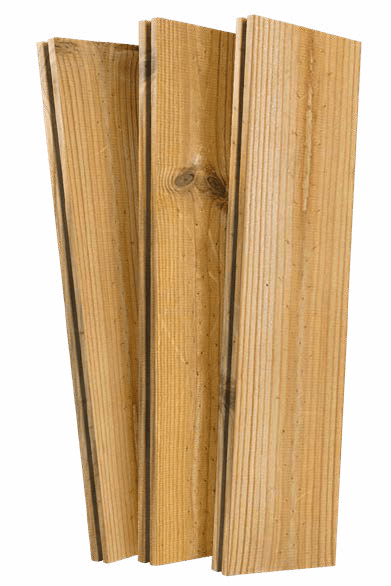
Bulletwood Characteristics and Winter Conditions
Bulletwood is a dense hardwood, a characteristic that contributes to its suitability for exterior applications. Its natural density means it absorbs moisture at a slower rate compared to some softer woods, which can be an advantage in environments with fluctuating moisture levels, such as those experienced during winter thaws. However, no wood is entirely impervious to moisture, and proper installation and care are still essential.
The inherent stability of Bulletwood under varying moisture conditions is a factor in its performance. While all wood will experience some degree of expansion and contraction with changes in humidity and temperature, Bulletwood's density generally results in less pronounced movement when properly acclimated and installed. This can help mitigate issues like cupping or warping that might otherwise be exacerbated by freeze-thaw cycles.
Its natural resistance to decay and insects is another benefit, particularly in conditions where wood might remain damp for extended periods due to snowmelt. This resistance is a foundational aspect of its durability in outdoor settings.
Moisture Management and Drainage
Effective moisture management is paramount for any deck exposed to winter. For Bulletwood decking, this begins with ensuring adequate ventilation beneath the deck boards and proper drainage away from the structure. Water that pools or remains trapped can lead to prolonged dampness, which, over time, can challenge even dense hardwoods.
Consider the slope of the ground beneath the deck to direct water away from the foundation. For elevated decks, ensure that the area below is clear of obstructions that could trap moisture or impede airflow. Proper spacing between deck boards is also crucial to allow water to drain through the deck surface rather than sitting on top.
Confirm the recommended spacing for Bulletwood decking with your supplier or product documentation, as this can vary by profile and expected environmental conditions. This spacing facilitates drainage and allows for the natural expansion and contraction of the wood.
Snow and Ice Removal Best Practices
When clearing snow and ice from Bulletwood decking, care should be taken to avoid damaging the wood surface. Metal shovels with sharp edges can scratch or gouge the boards. Opt for plastic shovels or snow pushers with rounded edges. For lighter snow, a broom can be effective.
Avoid using picks or chisels to break up ice, as these can cause significant damage. If ice forms, consider allowing it to melt naturally or using approved de-icing products, as discussed in the next section.
De-icers and Chemical Exposure
The use of de-icing products on Bulletwood decking requires careful consideration. While some de-icers may be marketed as safe for wood, the long-term effects of repeated chemical exposure, especially in concentrated forms, can vary. Many de-icers contain salts that can be corrosive or leave residues that are difficult to remove.
If de-icers are deemed necessary, choose products specifically labeled as safe for wood decking. Always test the product on an inconspicuous area first to observe any adverse reactions or discoloration. After application and once the ice has melted, it is generally advisable to rinse the deck surface thoroughly with water to remove any chemical residue, especially before warmer temperatures set in.
Avoid rock salt (sodium chloride) and calcium chloride, as these can be harsh on wood and potentially accelerate wear or discoloration over time. Magnesium chloride or potassium chloride may be less aggressive options, but always verify compatibility with Bulletwood specifically.
Worked Example: Planning a Deck for Winter Conditions
Consider a hypothetical 10-foot by 12-foot elevated deck project in an area with regular snowfall. The deck will be constructed using 1x6 Bulletwood decking boards. To prepare for winter exposure, several planning decisions are made:
1. **Framing and Ventilation:** The deck frame is designed to be 18 inches above grade, allowing for ample airflow beneath the deck. Cross-ventilation openings are incorporated into the skirting to prevent moisture buildup.
This ensures efficient drainage of snowmelt.
3. **Snow Removal Plan:** The homeowner plans to use a plastic snow shovel and a stiff-bristled broom for routine snow clearing. For stubborn ice, they will apply a small amount of a magnesium chloride-based de-icer, followed by a thorough rinse with water once conditions allow.
4. **Surface Finish:** The Bulletwood will be left to weather naturally to a silver-gray patina. No film-forming finishes will be applied, as these can be prone to peeling or cracking in freeze-thaw cycles, requiring more intensive maintenance.
5. **Perimeter Drainage:** The landscaping around the deck includes a slight grade away from the foundation, directing snowmelt and rainwater away from the deck's support posts and substructure. A gravel bed is installed directly beneath the deck to further improve drainage and reduce splash-back.
Before you order
- Confirm local building codes and snow load requirements for your region.
- Verify proper ventilation and drainage beneath the deck structure.
- Choose appropriate board spacing to facilitate water runoff.
- Select non-abrasive tools for snow and ice removal.
- Research and test de-icing products for compatibility with Bulletwood.
- Consider the long-term maintenance implications of your chosen finish in winter conditions.
- Ensure adequate ground drainage around the deck perimeter.
Confirm installation details, approved uses and warranty terms in the current instructions for the exact product and profile. Your installer should verify the substrate, structure and applicable project requirements.
Questions to help you decide
Does Bulletwood require special treatment for winter?
Bulletwood's natural density offers resilience in winter. However, proper installation with adequate ventilation and drainage is crucial. Regular maintenance, including careful snow removal and judicious use of compatible de-icers, contributes to its long-term performance. It does not require specific winter-only chemical treatments.
Can I use a pressure washer to clean Bulletwood after winter?
A pressure washer can be used cautiously on Bulletwood, but it is important to use a wide fan tip and a moderate pressure setting to avoid damaging the wood fibers. Always maintain a safe distance from the surface and move the wand continuously. A gentle cleaning with a deck brush and mild soap is often sufficient.
Will Bulletwood decking become slippery when wet or icy?
Like most decking materials, Bulletwood can become slippery when wet, covered in ice, or if algae or mildew accumulates on its surface. Regular cleaning helps prevent biological growth. During winter, promptly removing snow and ice is the most effective way to reduce slip hazards. Consider adding non-slip mats in high-traffic areas if concerns persist.
Ready to Plan Your Winter-Resilient Bulletwood Deck?
Request a material quote with your project dimensions, desired Bulletwood profile, and ZIP code to confirm current availability and service options for your area. Explore our full range of <a href="/decking">decking options</a>, including <a href="/decking/hardwood">hardwood decking</a> like <a href="/decking/hardwood/ipe">Ipe</a>, as well as <a href="/decking/composite">composite</a> and <a href="/decking/pvc">PVC decking</a>.
Request a material quote →