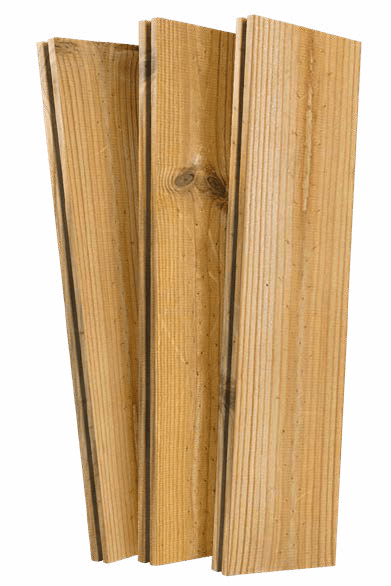
Understanding Bulletwood's Natural Characteristics
Bulletwood, a tropical hardwood, is known for its density and durability, making it a suitable choice for exterior applications. Its natural color typically ranges from reddish-brown to dark brown, often displaying subtle variations within a single board and across a batch.
The grain pattern of Bulletwood is generally fine and straight, though some pieces may exhibit a slightly interlocked or wavy grain. These natural characteristics contribute to its unique aesthetic. When evaluating samples, observe these variations closely, as they will be present in the full decking installation.
Bulletwood is a dense material, which contributes to its resistance to common wear and tear. Its inherent qualities make it a robust option for decks and other outdoor areas, but understanding these natural features is key to appreciating its appearance in your project.
For more details on Bulletwood as a material, you can explore the product page: /decking/hardwood/bulletwood.
The Importance of Lighting: Indoor vs. Outdoor
The lighting conditions under which you view a Bulletwood sample significantly impact its perceived color and tone. What appears deep and rich indoors under artificial light might look different when exposed to direct sunlight or dappled shade outdoors.
Always take your samples outside to the exact location where the decking will be installed. Observe them at different times of day – morning, noon, and late afternoon – to see how the changing light affects their appearance. Overcast days offer a more neutral light, while sunny days highlight grain patterns and potential sheen.
Consider the direction your deck will face. A north-facing deck might appear darker and cooler in tone, while a south-facing deck will receive more intense, direct sunlight, potentially making the wood appear lighter or warmer. This step is critical for avoiding surprises after installation.
Comparing Samples with Existing Finishes
Your new Bulletwood deck will not exist in isolation. It will interact visually with your home's exterior, landscaping, and any adjacent hardscaping. Bring your Bulletwood samples into direct contact with these elements.
Place samples next to your home's siding, trim, window frames, and existing patio materials like stone or brick. Evaluate whether the Bulletwood complements or clashes with these established finishes. Pay attention to undertones – does the wood's natural warmth enhance or detract from your home's existing color palette?
For example, if your home has cool-toned gray siding, a Bulletwood sample with strong reddish undertones might create an interesting contrast, or it might feel out of place depending on your design goals. Conversely, if your home has earthy brown tones, Bulletwood could blend seamlessly.
Consider other outdoor materials you plan to use, such as railing systems (e.g., metal, composite) or outdoor furniture. The sample comparison helps ensure a cohesive overall aesthetic.
Evaluating Grain and Texture
Beyond color, the grain pattern and surface texture of Bulletwood contribute to its overall character. Run your hand across the sample to get a tactile sense of the material. Bulletwood typically has a smooth finish, but variations can exist.
Examine the grain up close. Is it a tight, straight grain, or does it show more variation? While Bulletwood is known for its fine grain, individual boards will display unique patterns. These subtle differences create the natural beauty of hardwood.
Consider how the texture might feel underfoot, especially if the deck will be a barefoot area. While a smooth finish is common, some Bulletwood profiles might offer different surface treatments. Your sample should represent the actual profile you intend to purchase.
For alternative decking materials with different textures, you might consider composite decking at /decking/composite or PVC decking at /decking/pvc.
A Hypothetical Sample Selection Scenario
Imagine you are planning an 18-foot by 12-foot deck for a backyard with a red brick house and a lush green lawn. You've narrowed your choice to Bulletwood decking and have received three samples, all in a standard 1x6 profile, but from different production batches, showing slight natural variations.
You first examine the samples indoors under incandescent light. Sample A appears a deep, rich reddish-brown. Sample B is a slightly lighter, more uniform brown. Sample C has a darker, almost chocolate-brown hue with subtle darker streaks.
Next, you take the samples outside. In the morning sun, Sample A's reddish tones become more pronounced, complementing the red brick of the house. Sample B looks somewhat washed out under direct sun, losing some of its depth. Sample C, while initially dark, now displays a beautiful warmth, and its darker streaks blend well with the shaded areas near the house.
You place each sample directly against the red brick. Sample A blends well, but perhaps too much, making the deck feel less distinct. Sample B, being lighter, provides a gentle contrast. Sample C offers a sophisticated, grounding contrast that makes both the brick and the wood stand out.
Finally, you consider the planned use: an area for entertaining. The slightly textured surface of Sample C feels robust and less likely to show minor scuffs, while its darker tone would better mask everyday dirt. Based on this multi-faceted evaluation, Sample C emerges as the preferred choice for its visual impact and practical considerations in the outdoor setting.
This hypothetical scenario demonstrates that the 'best' sample isn't just about initial preference but about how it performs visually and practically in its intended environment.
Verifying Product Details and Labeling
Each Bulletwood sample should come with clear identification. This typically includes the product name, profile (e.g., 1x6, 5/4x6), and potentially a batch number. Confirm that the samples you are evaluating represent the exact product you intend to order. Different profiles or milling processes can result in subtle differences in appearance and texture.
Before making a final decision, double-check these labels against the product specifications on the Lumber Plus website. This ensures that the aesthetic qualities you appreciate in the sample correspond to the actual product you will receive. This is particularly important for species like Bulletwood, where natural variations are part of its character.
Always confirm the specific dimensions and profiles available for Bulletwood decking at /decking/hardwood/bulletwood. Other hardwood options like Ipe decking are also available at /decking/hardwood/ipe.
Before you order
- Obtain physical Bulletwood decking samples.
- View samples in different outdoor lighting conditions (morning, noon, afternoon, overcast).
- Compare samples directly against your home's exterior (siding, trim, windows).
- Assess how samples interact with existing hardscaping (patio, walkways).
- Evaluate the grain pattern and surface texture of each sample.
- Consider how the samples will look with planned outdoor furniture or railings.
- Verify that sample labels match the exact product profile and specifications you intend to order.
Confirm installation details, approved uses and warranty terms in the current instructions for the exact product and profile. Your installer should verify the substrate, structure and applicable project requirements.
Questions to help you decide
How many Bulletwood samples should I request?
It is generally helpful to request 2-3 samples if available, especially if they are from different production runs. This allows you to observe the natural variation within Bulletwood and make a more informed decision. If only one sample is available, ensure you evaluate it thoroughly under various conditions.
Will my Bulletwood deck look exactly like the sample?
Due to Bulletwood's natural origin, there will always be some variation in color, grain, and texture between a small sample and a full deck. The sample is representative of the species' characteristics and typical range, but each board is unique. This natural variation is part of the appeal of hardwood decking.
What if I can't decide between two Bulletwood samples?
If you are torn between two options, revisit your project's overall design goals. Which sample better complements your home's existing features? Which one feels more in line with the atmosphere you want to create? Sometimes, a slightly larger sample or even a few loose boards can provide a clearer picture than small individual pieces. Consider consulting with a design professional or a Lumber Plus representative for an outside perspective.
Ready to Plan Your Bulletwood Decking Project?
Request a material quote with your project dimensions, exact Bulletwood profile, and ZIP code. Confirm current availability and service options for your location.
Request a material quote →