Evaluating Your Existing Deck Frame and Substructure
Before considering Bulletwood decking, thoroughly inspect your existing deck frame. This includes joists, beams, posts, and ledger boards. Look for any signs of rot, insect damage, significant warping, or structural instability. Any compromised components must be repaired or replaced before installing new decking. Bulletwood is a dense, durable material, and it requires a sound, stable foundation to perform as intended.
Consider the spacing of your joists. While many decking materials are compatible with standard joist spacing, Bulletwood's density and weight might influence the minimum required support. Consult a structural engineer or a qualified contractor to confirm if your existing joist spacing is adequate for Bulletwood, especially if you are changing from a lighter decking material. In some cases, additional joists may be needed to meet recommended spans and prevent deflection.
Assessing Drainage and Ventilation for Hardwood Decking
Proper drainage and ventilation are crucial for the longevity of any deck, particularly when installing a dense hardwood like Bulletwood. During a renovation, evaluate how water currently drains off and away from your deck structure. Ensure there are no areas where water pools or remains stagnant, as this can accelerate decay in both the decking and the substructure.
Good airflow beneath the deck helps prevent moisture buildup, which is vital for hardwoods. Check if your deck design allows for adequate cross-ventilation. If the deck is low to the ground or enclosed, you might need to consider adding vents or adjusting the landscaping to improve air circulation. Poor ventilation can lead to cupping, warping, or premature deterioration of Bulletwood decking.
Material Compatibility and Fastening Systems
When renovating, ensure that your chosen fastening system is compatible with Bulletwood and suitable for your project's conditions. Bulletwood is a hardwood that typically requires pre-drilling for fasteners to prevent splitting. Whether you opt for face-fastening or a hidden fastening system, verify that the fasteners are designed for dense hardwoods and exterior use.
If you are reusing any existing components, such as railings or stairs, consider how Bulletwood will integrate with these elements. While Bulletwood offers a distinct aesthetic, its natural color and grain pattern should complement the overall design of your renovated outdoor space. You can explore a range of decking options including other <a href="/decking/hardwood">hardwood decking</a>, <a href="/decking/composite">composite decking</a>, or <a href="/decking/pvc">PVC decking</a> if Bulletwood isn't the right fit for your existing elements.
Hypothetical Renovation Example: Replacing a 12x10 Foot Deck
Consider a homeowner renovating a 12-foot by 10-foot deck, originally built with pressure-treated pine decking. The homeowner wants to upgrade to Bulletwood decking.
First, a thorough inspection reveals the existing pressure-treated joists are in good condition, with no signs of rot or significant damage. The ledger board is securely attached to the house. However, the homeowner notices that the deck is relatively low to the ground (about 18 inches), and the landscaping around it is dense, potentially restricting airflow. The renovation plan should include trimming back foliage and possibly adding lattice panels with vents to improve ventilation.
For the decking, assuming 5.5-inch wide Bulletwood boards, a 12-foot by 10-foot area would require approximately 262 linear feet of decking to cover 120 square feet (120 sq ft / (5.5 in / 12 in/ft) = 261.8 linear feet). Allowing for cuts and waste, purchasing around 280-300 linear feet would be prudent. The homeowner also needs to select a suitable hidden fastening system designed for hardwoods, ensuring pre-drilling is accounted for in the installation process. They would also consider new Bulletwood fascia boards for the perimeter, coordinating the order with the main decking material.
Understanding Bulletwood Characteristics for Your Project
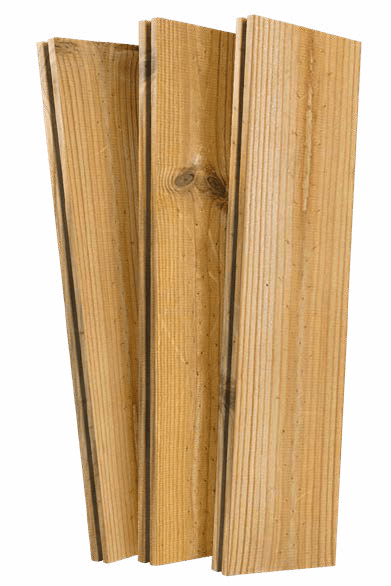
Bulletwood is known for its exceptional density and durability, making it a robust choice for exterior applications. It exhibits a reddish-brown color that can deepen over time, and like other hardwoods, it will naturally weather to a silver-gray patina if left untreated. Understanding these aesthetic changes is important for long-term project satisfaction.
Due to its density, Bulletwood is naturally resistant to decay and insects, a significant advantage for outdoor use. This inherent durability means it can withstand heavy foot traffic and varying weather conditions. However, proper installation, including adequate spacing between boards for drainage and expansion/contraction, is essential to maximize these benefits.
When planning your renovation, consider the long-term maintenance commitment. While Bulletwood is durable, periodic cleaning and optional oiling can help preserve its original color and protect its surface. These considerations should factor into your overall renovation budget and timeline.
Before you order
- Is the existing deck frame structurally sound and free from rot or damage?
- Is the joist spacing adequate for Bulletwood decking, or will additional joists be needed?
- Does the deck area have sufficient drainage and ventilation?
- Are the chosen fasteners compatible with Bulletwood and appropriate for exterior use?
- How will Bulletwood integrate with existing railings, stairs, or other deck components?
- What is the desired long-term aesthetic: natural weathering or maintained color?
- Have you accounted for pre-drilling and the specific installation requirements of dense hardwoods?
- Have you considered the total linear footage needed, including waste for cuts and potential future repairs?
- Will you require matching fascia or trim boards for the perimeter?
- Have you obtained a material quote for Bulletwood decking and associated installation supplies?
Confirm installation details, approved uses and warranty terms in the current instructions for the exact product and profile. Your installer should verify the substrate, structure and applicable project requirements.
Questions to help you decide
Can I install Bulletwood decking directly over my old decking?
No, it is generally not recommended to install new decking directly over old decking. This can trap moisture, lead to premature rot of both materials, and create an unstable surface. For a proper renovation, remove all existing decking to expose the substructure for inspection and necessary repairs before installing Bulletwood.
Do I need to pre-drill Bulletwood decking?
Yes, due to its exceptional density and hardness, Bulletwood typically requires pre-drilling for all fasteners to prevent splitting and ensure a secure attachment. This applies to both face-fastening and most hidden fastening systems. Always follow the specific manufacturer's recommendations for pilot hole sizes.
How do I calculate how much Bulletwood decking I need for my renovation?
To calculate the approximate linear footage, multiply the length of your deck by its width to get the total square footage. Then, divide the total square footage by the coverage per linear foot of your chosen board width (e.g., for a 5.5-inch wide board, divide by 0.4583 ft). Add 10-15% for cuts, waste, and future repairs. For example, a 100 sq ft deck with 5.5-inch boards (100 / 0.4583 = 218.2) would need approximately 220 linear feet, plus waste, for a total of around 240-250 linear feet. It's best to confirm with your supplier based on your exact layout.
Ready to Transform Your Deck with Bulletwood?
Request a material quote with your project dimensions, exact Bulletwood profile, and ZIP code to confirm current availability and service options for your renovation project. Our team can assist you in planning your material needs.
Request a material quote →