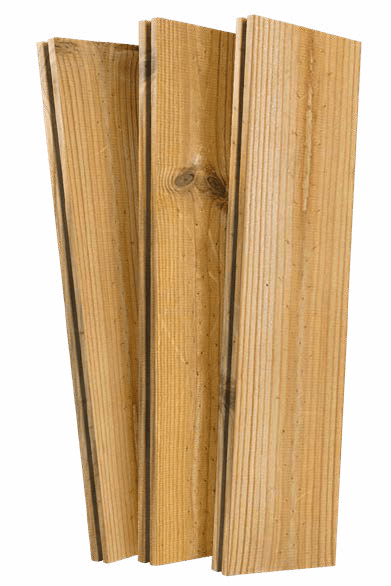
The Natural Beauty of New Bulletwood
Bulletwood is a tropical hardwood known for its inherent density and durability. When newly installed, Bulletwood decking typically exhibits a range of reddish-brown hues, often with subtle variations in tone. These natural colors contribute to a warm, inviting appearance that can complement a variety of architectural styles, from traditional to contemporary. The grain is generally fine and interlocked, contributing to its smooth look. This initial color is a starting point, as Bulletwood, like other hardwoods, will undergo natural changes when exposed to the elements.
It is important to view physical samples of Bulletwood under different lighting conditions to appreciate its full color range. What appears as a deep red-brown in a showroom might take on more golden or russet tones in direct sunlight on your project site.
Understanding Bulletwood's Natural Weathering Process
One of the defining characteristics of Bulletwood, and many other tropical hardwoods, is its natural weathering process. If left untreated and exposed to UV light and moisture, Bulletwood will gradually transition from its initial reddish-brown to a soft, silvery-gray patina over time. This process is a natural oxidation and does not compromise the wood's structural integrity. Many homeowners appreciate this weathered look for its low-maintenance appeal and the way it blends with natural surroundings.
The rate at which Bulletwood weathers depends on factors such as sun exposure, rainfall, and local climate conditions. Decks in full sun will typically silver faster than those in shaded areas. If you prefer the original rich color, regular application of a UV-inhibiting oil or sealer will be necessary to slow this natural graying process.
Choosing Stains and Sealers for Color Retention
To maintain or enhance the initial color of your Bulletwood decking, or to introduce a different tone, stains and sealers are viable options. Penetrating oil-based finishes are commonly used for tropical hardwoods. These products are designed to soak into the dense wood fibers, providing protection while allowing the wood's natural grain to show through. Some finishes contain UV blockers to help slow the graying process.
When selecting a stain, consider whether you want to preserve the natural reddish-brown, deepen it, or shift to a different wood tone. Transparent or semi-transparent stains will allow more of the wood's natural character to remain visible, while solid stains will cover the grain more completely. Always test any stain or sealer on a scrap piece of Bulletwood or an inconspicuous area of the deck to ensure the color and finish meet your expectations before applying it to the entire project. This is especially critical as Bulletwood's density can affect how different products are absorbed and appear.
The Impact of Lighting on Decking Appearance
The perceived color and finish of your Bulletwood deck will change significantly depending on the lighting conditions. Natural daylight, especially direct sunlight, will highlight the wood's natural luster and warmer tones. Overcast days or shaded areas may make the wood appear darker and more muted. Artificial lighting, such as deck lighting or landscape lights, can also dramatically alter the appearance of your deck in the evenings.
When making color decisions, it's beneficial to view samples at different times of day and under various lighting conditions, including any planned outdoor lighting. For example, warm-toned LED lighting can enhance the reddish hues of Bulletwood, creating a cozy evening ambiance, while cooler-toned lighting might make the wood appear more neutral or even slightly gray. This consideration extends beyond just the deck boards to fascia and other trim elements.
Coordinating with Your Home's Exterior and Landscape
The color and finish of your Bulletwood deck should harmonize with the broader aesthetic of your home and outdoor space. Consider the color of your house siding, trim, roofing, and even surrounding landscaping elements like stone paths or garden beds. A deck that complements these existing features will create a cohesive and visually appealing environment.
For a home with a rustic or natural aesthetic, allowing Bulletwood to silver might be the most fitting choice, blending seamlessly with weathered stone or natural plantings. For a more formal or contemporary look, maintaining the rich reddish-brown with a protective oil might provide the desired contrast or continuity. Think about the overall mood you want to create – a bright, airy space versus a warm, intimate retreat – and let that guide your color and finish decisions.
Before you order
- Obtain physical Bulletwood samples to assess natural color variations.
- Observe samples in different lighting conditions (direct sun, shade, overcast) and at different times of day.
- Decide if you prefer the initial reddish-brown color or the weathered silvery-gray patina.
- If maintaining the initial color, research suitable penetrating oil-based finishes with UV inhibitors.
- If staining, choose transparent, semi-transparent, or solid options, and test on a scrap piece.
- Consider how the chosen finish will interact with existing exterior colors (siding, trim, roof).
- Account for planned artificial deck lighting and its effect on the wood's appearance.
- Review maintenance requirements for chosen finishes to ensure long-term satisfaction.
Confirm installation details, approved uses and warranty terms in the current instructions for the exact product and profile. Your installer should verify the substrate, structure and applicable project requirements.
Questions to help you decide
Does Bulletwood decking get hotter in the sun if it's a darker color?
Darker surfaces, regardless of material, tend to absorb more solar radiation than lighter surfaces, which can lead to a higher surface temperature. While the natural reddish-brown of Bulletwood is a relatively dark tone, its specific heat absorption will depend on many factors including the exact shade, surface texture, and ambient conditions. If you are concerned about surface temperature, consider factors like shade structures or lighter-colored outdoor rugs. The color of the wood itself is a visual attribute, not a direct indicator of heat retention without further context.
Can I paint Bulletwood decking?
While it is technically possible to paint Bulletwood, it is not typically recommended for decking applications. Bulletwood is a dense, oily hardwood, which can make paint adhesion challenging and prone to peeling, especially with heavy foot traffic and exposure to the elements. Paint also obscures the natural beauty and grain of the wood, which is often a key reason for choosing a hardwood like Bulletwood. Penetrating oil-based stains and sealers are generally preferred as they protect the wood while allowing it to breathe and showcasing its natural character.
How often do I need to reapply a finish to Bulletwood to maintain its color?
The frequency of reapplication for a finish on Bulletwood decking depends on several factors, including the type of finish used, the amount of sun and weather exposure the deck receives, and your desired level of color retention. Generally, oil-based finishes designed to maintain color may need reapplication every 12-24 months for decks in full sun, and less frequently for shaded areas. It is crucial to follow the specific manufacturer's recommendations for the chosen product and monitor your deck's appearance for signs of fading or wear, indicating when a new coat is needed.
Ready to Select Your Bulletwood Decking?
Request a material quote with your project dimensions, exact profile, and ZIP code to confirm current availability and service options for Bulletwood Decking. Explore our wider selection of <a href="/decking/hardwood">hardwood decking</a>, <a href="/decking/composite">composite decking</a>, and <a href="/decking/pvc">PVC decking</a> for other material options.
Request a material quote →