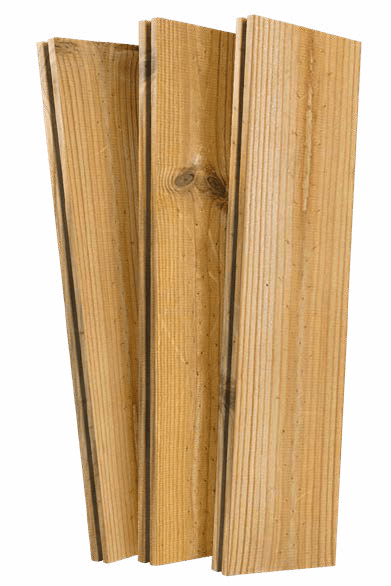
Why Bulletwood for a Compact Urban Space?
Bulletwood is a tropical hardwood known for its exceptional density and durability, making it a suitable choice for high-traffic areas and outdoor applications. In a compact urban backyard, where the deck might experience frequent use and exposure to varying conditions, its inherent strength can be a significant advantage. Its natural resistance to decay and insects contributes to a low-maintenance profile, which is often desirable for busy urban homeowners.
The fine grain and consistent color of Bulletwood can also contribute to a sleek, contemporary look that complements urban architectural styles. Unlike some materials that may appear bulky or rustic, Bulletwood offers a sophisticated backdrop for outdoor living, making a small space feel more refined rather than cluttered.
Maximizing Space with Deck Layout and Dimensions
In a small urban backyard, the deck's layout and dimensions are critical for maintaining usability. Instead of a sprawling, multi-level design, a single-level deck that integrates seamlessly with the home's exit points is often the most effective. Consider the primary function of the deck: is it for dining, lounging, or a combination? This will dictate the minimum dimensions required for comfortable furniture placement and circulation.
For example, a dining area typically requires at least 8x8 feet to accommodate a small table and chairs with enough room to pull chairs out. A lounging area might need a similar footprint for a couple of armchairs and a small side table. Avoid overly complex shapes or multiple small platforms, which can fragment the space and make it feel even smaller. A simple, rectangular or square design often works best, allowing for more flexible furniture arrangements.
Consider extending the deck along the full width of the house to create a sense of expansiveness, even if the depth is limited. This creates a continuous visual line that can make the yard feel wider. Integrating built-in seating or planters along the perimeter can also save space compared to freestanding furniture, while adding functional elements.
Board Widths and Visual Impact
The choice of Bulletwood board width can influence the perceived size of your deck. Wider boards (e.g., 5.5 inches or 7.25 inches) can create a more contemporary look and reduce the number of visible seams, potentially making a small deck feel less busy and more expansive. Fewer seams can lead to a cleaner aesthetic.
Conversely, narrower boards (e.g., 3.5 inches) can add a sense of detail and texture, but in a very small space, they might create a more 'striped' appearance that could visually shorten the deck. Experiment with samples or sketches to visualize how different board widths will look in your specific backyard dimensions.
Lumber Plus offers Bulletwood decking in various profiles. Confirm the available board widths and select one that aligns with your design goals for visual spaciousness. Consistency in board width across the entire deck surface helps maintain a cohesive look.
A Worked Example: Maximizing a 10x15 Foot Urban Backyard
Imagine an urban backyard measuring 10 feet wide by 15 feet deep, with a patio door centered on the 10-foot wall. The goal is to create a functional deck that accommodates a small dining area and allows for clear circulation.
**Deck Dimensions:** We'll choose a deck that is 9 feet wide by 10 feet deep, leaving a 1-foot buffer along one side of the house for access and a 5-foot deep strip of landscaping at the back of the yard. This 9x10 foot deck provides 90 square feet of usable space.
**Layout:** Position the deck directly outside the patio door. A 4-person dining table (approximately 30x48 inches) with chairs requires about 8x8 feet of space for comfortable use. This leaves a 1-foot wide circulation path along one side of the deck and a small area for a narrow planter or storage bench along the remaining edge.
**Board Choice:** Using 5.5-inch wide Bulletwood boards laid parallel to the house (running 10 feet long across the 9-foot width) would result in approximately 20 boards needed (9 feet / 5.5 inches = 19.6 boards, rounded up). If boards are ordered in 10-foot lengths, this minimizes cuts and waste. For a 9x10 foot deck, this would require 20 boards of 5.5-inch x 10-foot Bulletwood.
**Furniture:** A compact dining set and a narrow built-in bench along one side of the deck, perhaps with integrated storage, would maximize utility without overcrowding the space. The 5-foot deep landscaping strip at the back could feature vertical gardening or a small water feature to add greenery without consuming valuable deck space.
Complementary Materials and Features
To enhance a small urban deck, consider integrating complementary materials and features. A simple, low-profile railing, or no railing if local codes permit and height allows, can prevent the space from feeling enclosed. Planters with vertical elements, such as trellises for climbing plants, can add greenery without taking up much floor space.
Consider the transition from the deck to any adjacent landscaping or paving. A clean, defined edge can help frame the deck. For additional seating, consider a low-profile bench that can be tucked under a table or along a wall when not in use. Thoughtful lighting can also extend the usability of your deck into the evening hours, making a small space feel more inviting after dark.
Explore other Lumber Plus decking options like <a href="/decking/hardwood/ipe">Ipe</a> for similar hardwood durability, or consider <a href="/decking/composite">composite</a> or <a href="/decking/pvc">PVC</a> decking for alternative material characteristics and aesthetics that might suit your urban design vision.
Before you order
- Determine the primary function(s) of the deck (dining, lounging, mixed-use).
- Measure the available backyard dimensions accurately.
- Sketch out potential deck layouts, considering access points from the house.
- Decide on the maximum comfortable deck size that still allows for circulation and other backyard elements.
- Choose Bulletwood board width based on desired visual impact and availability.
- Plan for essential furniture and ensure adequate space for movement around it.
- Consider built-in elements (seating, planters) to save space.
- Investigate local building codes for railing requirements.
- Select complementary materials for railings, planters, and lighting.
- Request a material quote with exact dimensions and profile to confirm availability.
Confirm installation details, approved uses and warranty terms in the current instructions for the exact product and profile. Your installer should verify the substrate, structure and applicable project requirements.
Questions to help you decide
Can Bulletwood decking be used on a raised platform in a small backyard?
Yes, Bulletwood decking can be installed on a raised platform. For a small backyard, ensure that any raised platform is modest in height to avoid overwhelming the space. Always confirm local building codes regarding deck height, railings, and permits, especially in urban areas where setbacks and sightlines are often regulated.
How do I maintain Bulletwood decking in a compact urban setting?
Bulletwood is a dense hardwood that is naturally durable. Regular cleaning with a broom or leaf blower to remove debris, and occasional washing with mild soap and water, is generally sufficient. To preserve its rich color, you may choose to apply a UV-inhibiting oil finish periodically. In a compact urban space, ensure good air circulation around and under the deck to prevent moisture buildup, especially if it's close to other structures or dense plantings.
Are there specific Bulletwood board profiles better suited for small decks?
While Bulletwood is available in various profiles, for small decks, a standard smooth or lightly textured profile is often preferred for its clean appearance. The choice between a wider or narrower board width can influence the visual scale of the deck, with wider boards often creating a more expansive feel. Always confirm the exact profiles available from Lumber Plus to match your project's aesthetic and functional needs.
Ready to Plan Your Bulletwood Deck?
Request a material quote for your project. Provide your project dimensions, desired Bulletwood profile, and ZIP code to confirm current availability and service options.
Request a material quote →