Understanding Bulletwood Decking for Stair Applications
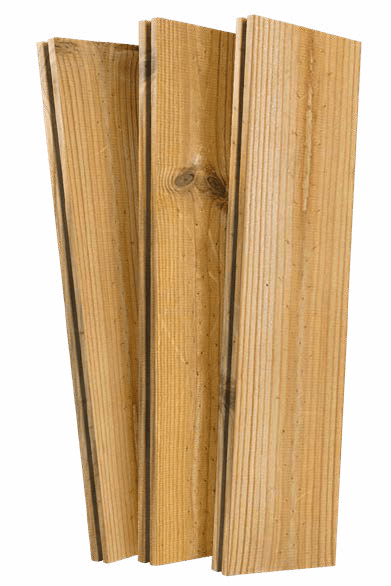
Bulletwood is a dense, durable hardwood often chosen for decking and exterior applications. Its inherent strength and natural resistance to decay make it a strong candidate for outdoor structures. However, specific profiles and dimensions of Bulletwood decking are designed for deck surfaces, and their suitability for stair treads, risers, stringers, or handrails needs careful evaluation.
It is crucial to confirm with your Lumber Plus branch the specific Bulletwood profiles available and their approved uses for stair components. Not all decking boards are engineered for the concentrated loads and wear that stair treads experience, nor are they always dimensioned appropriately for standard stair construction practices or local building codes. Always consult with your project team and local authorities to ensure compliance and structural integrity.
Stair Component Considerations: Treads, Risers, and Stringers
Deck stairs typically consist of treads (the horizontal surface you step on), risers (the vertical face between treads), and stringers (the angled structural supports). Each component has distinct requirements for strength, stability, and finish.
For treads, Bulletwood decking boards can often be used, provided they meet the required thickness and width for the span between stringers and local code specifications for live loads. Multiple decking boards may be required to achieve the necessary tread depth, which introduces considerations for spacing and fastening. Risers can also be clad with thinner Bulletwood material, or even standard decking boards, depending on the aesthetic goal and structural support.
Stringers, the primary structural elements, are typically cut from larger dimension lumber, often pressure-treated wood, or engineered lumber. While Bulletwood is a hardwood, using it for stringers might involve custom milling or specific structural engineering, which can add complexity and cost. It's more common to use treated lumber for stringers and then clad them with Bulletwood for a matching appearance.
Planning for Safety and Code Compliance
Deck stairs must comply with strict building codes regarding rise, run, tread depth, riser height consistency, and handrail requirements. These codes are in place to ensure safety and prevent falls. Before finalizing any design, your project team should review all local building codes specific to stair construction.
Key measurements like minimum tread depth and maximum riser height are non-negotiable. When using Bulletwood decking for treads, consider how the board width and spacing will impact the overall tread depth. Ensure any gaps between boards on treads comply with safety standards to prevent tripping hazards. Handrails, if required, should also be designed to complement the Bulletwood aesthetic, potentially using Bulletwood for caps or balusters, or a compatible material.
Fastening and Stability for Bulletwood Stairs
Proper fastening is paramount for the stability and longevity of deck stairs. For Bulletwood treads, face-fastening with appropriate screws is a common and secure method. Pre-drilling is essential to prevent splitting in dense hardwoods like Bulletwood. Hidden fastening systems designed for deck boards may also be adaptable for treads, but their suitability for the concentrated loads on stairs should be verified with the fastener manufacturer.
Ensure all fasteners are suitable for exterior use and compatible with Bulletwood to prevent staining or corrosion. The connections between treads, risers, and stringers must be robust enough to withstand constant foot traffic and environmental stressors. Your installer should follow manufacturer guidelines for fastening and spacing to maintain the material's integrity.
Hypothetical Project Example: Bulletwood Deck with Matching Stairs
Consider a hypothetical deck project that requires a set of five stairs. The main deck is designed with 5.5-inch wide Bulletwood decking boards. For the stairs, the local building code requires a minimum tread depth of 10 inches and a maximum riser height of 7.75 inches.
To achieve a 10-inch tread depth using the 5.5-inch wide Bulletwood boards, two boards would be needed per tread. This results in a total tread depth of approximately 11 inches (5.5 inches + 5.5 inches), which exceeds the 10-inch minimum. The boards would be installed with a small, consistent gap as per decking specifications. The risers would be clad with 1x8 Bulletwood boards, trimmed to the exact riser height, creating a finished appearance that matches the deck.
The stringers for these stairs would be constructed from pressure-treated 2x12 lumber. The Bulletwood treads would then be securely face-fastened to the stringers, with pre-drilled holes to prevent splitting. This approach ensures structural integrity with the treated lumber while maintaining the desired aesthetic with the visible Bulletwood components.
Before you order
- Confirm Bulletwood profiles and dimensions are approved for stair components (treads, risers).
- Review local building codes for stair rise, run, tread depth, and riser height requirements.
- Determine how many Bulletwood boards are needed per tread to meet minimum depth.
- Plan fastening methods for treads and risers, ensuring compatibility and structural integrity.
- Select appropriate material for stringers (e.g., pressure-treated lumber) if not using custom Bulletwood.
- Consider handrail requirements and material choices to complement Bulletwood.
- Discuss all stair design details with your project team and installer before ordering materials.
Confirm installation details, approved uses and warranty terms in the current instructions for the exact product and profile. Your installer should verify the substrate, structure and applicable project requirements.
Questions to help you decide
Can I use the same Bulletwood decking boards for my stair treads?
Yes, Bulletwood decking boards can often be used for stair treads, provided their dimensions and structural properties meet local building codes for tread thickness and span. You may need to use multiple boards per tread to achieve the required depth. Always confirm with your Lumber Plus branch about the specific profiles and their approved uses for stair applications, and consult your project team for code compliance.
What kind of support is needed for Bulletwood deck stairs?
Deck stairs, including those made with Bulletwood, require robust structural support, typically provided by stringers. These are usually cut from larger dimension lumber, such as pressure-treated wood, and are designed to bear the weight of foot traffic. While Bulletwood can be used for treads and risers, stringers usually utilize other structural materials, which can then be clad with Bulletwood for a consistent appearance. Consult a structural engineer or experienced builder for specific support requirements.
Do Bulletwood deck stairs require special maintenance?
Bulletwood deck stairs will benefit from the same maintenance practices as your main Bulletwood deck. This typically includes regular cleaning to remove dirt and debris, and periodic reapplication of a suitable finish or sealant if you wish to preserve its original color or enhance its natural aging process. Always follow manufacturer recommendations for cleaning and finishing products to ensure compatibility and longevity.
Ready to Plan Your Bulletwood Deck Stairs?
Request a material quote with your project dimensions, exact Bulletwood profile, and ZIP code. We can help confirm current availability and service options for your project.
Request a material quote →