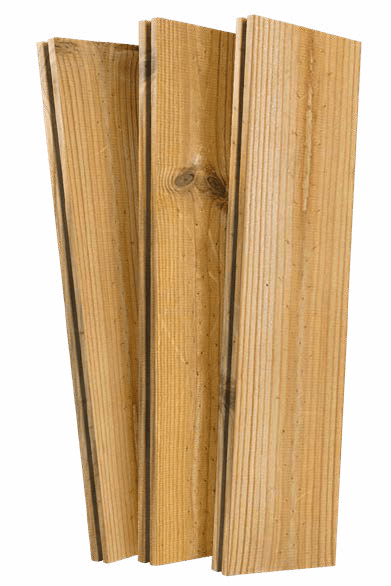
Why Spacing Matters for Bulletwood Decking
Bulletwood is a dense, durable hardwood often chosen for decking and exterior applications. Like all natural wood products, it will expand and contract with changes in moisture and temperature. Proper spacing between boards is essential to manage this natural movement. Without adequate gaps, boards can push against each other, leading to buckling, cupping, or splitting. Conversely, gaps that are too wide can create tripping hazards or allow small items to fall through.
Beyond accommodating wood movement, correct spacing ensures proper water drainage, preventing standing water on the deck surface. It also allows for adequate airflow beneath the deck, which is crucial for minimizing moisture buildup and potential issues like mold or mildew growth, especially in humid environments or projects with winter exposure. Adequate ventilation contributes to the overall health and lifespan of the deck structure.
Key Factors Influencing Bulletwood Spacing
Several critical factors dictate the appropriate spacing for Bulletwood deck boards:
First, the specific Bulletwood product profile you select is paramount. Different milling profiles might have integrated spacing features or require specific gap dimensions. Always refer to the manufacturer's installation instructions for your purchased product.
Second, the moisture content of the Bulletwood at the time of installation is a major consideration. Wood that is drier upon installation will absorb moisture and expand, requiring a smaller initial gap. Conversely, wood with higher moisture content will dry out and shrink, necessitating a larger initial gap to prevent excessive spacing later. Your supplier can often provide information on the typical moisture content of their Bulletwood.
Third, environmental conditions, such as local humidity levels and expected temperature fluctuations, play a role. In consistently humid climates, boards may experience more expansion, while very dry climates might lead to more shrinkage. Coastal homes, for instance, might experience different moisture dynamics compared to inland projects.
Finally, the fastening method—whether using hidden fasteners or face-screwing—can also influence recommended spacing. Some hidden fastening systems incorporate built-in spacers that simplify the process, while others may require manual spacing.
Consulting Product Documentation for Exact Spacing
The most reliable source for Bulletwood decking board spacing is the specific product documentation provided by the manufacturer or supplier. This documentation will outline the recommended gap sizes based on the board's profile, typical moisture content at the time of shipment, and expected performance. Do not rely on generic spacing recommendations found online or from unrelated products.
When you receive your Bulletwood decking, carefully review any accompanying installation guides, data sheets, or packaging inserts. These materials often contain detailed diagrams and specific measurements for board gaps. If you cannot locate this information, contact your Lumber Plus branch or supplier directly with your specific product details to obtain the correct guidelines.
It is common for manufacturers to provide a range for spacing, often dependent on the expected moisture content at installation.
Worked Example: Planning Spacing for a Hypothetical Bulletwood Deck
Let's consider a hypothetical deck project using Bulletwood boards with a nominal width of 5.5 inches. The project is located in a region with moderate humidity.
This suggests you'll need approximately 25 or 26 boards.
2. **Calculate for 25 Boards:** 25 boards * 5.5 inches/board = 137.5 inches of board material. Total width = 137.5 + 4.5 = 142 inches.
3. **Calculate for 26 Boards:** 26 boards * 5.5 inches/board = 143 inches of board material. Total width = 143 + 4.6875 = 147.6875 inches.
In this scenario, 25 boards would result in a deck section just under 12 feet wide (142 inches), while 26 boards would exceed it (147.6875 inches). This example highlights the importance of precise measurements and adherence to specified gaps to achieve the desired finished width and aesthetic.
Installation Tips for Consistent Spacing
Achieving consistent spacing across your entire Bulletwood deck requires careful attention during installation. Here are some tips:
Use spacers: Dedicated decking board spacers, available in various thicknesses, are invaluable for maintaining uniform gaps. These can be purchased or custom-cut from scrap material to match the recommended gap size.
Work in sections: Lay out several boards at a time, using spacers, before fastening them. This allows you to make minor adjustments and ensure even distribution of gaps.
Check squareness: Periodically check that your boards are running square to the deck frame. Even minor deviations can accumulate and lead to inconsistent gaps over a long run.
Acclimation: Allow Bulletwood boards to acclimate to the local environmental conditions for several days before installation. Store them properly, off the ground and covered, to minimize significant moisture changes during this period.
Consider temperature: Install boards during moderate temperatures when possible. Installing in extreme heat or cold can lead to more significant expansion or contraction once temperatures normalize, potentially affecting the final gap size.
Before you order
- Identify the exact Bulletwood product profile you are using.
- Locate the manufacturer's or supplier's official installation guide for your specific Bulletwood product.
- Determine the recommended board spacing based on the product documentation.
- Note any conditional spacing requirements, such as adjustments for moisture content at installation.
- Consider the local climate and typical humidity levels in your project area.
- Plan your board layout and calculate the total width, factoring in both board width and chosen gap size.
- Verify that your chosen fastening method is compatible with the recommended spacing.
Confirm installation details, approved uses and warranty terms in the current instructions for the exact product and profile. Your installer should verify the substrate, structure and applicable project requirements.
Questions to help you decide
Can I use the same spacing for all hardwood decking materials?
No, spacing requirements vary significantly between different hardwood species and even different profiles of the same species. Factors like wood density, natural movement characteristics, and milling patterns all influence the recommended gap. Always consult the specific product documentation for your chosen material, such as Bulletwood, Ipe, or other hardwoods.
What happens if I don't leave enough space between Bulletwood deck boards?
If insufficient space is left, Bulletwood boards may expand with moisture absorption and push against each other. This can lead to various problems including cupping, warping, buckling, or splitting of the boards. It can also impede proper water drainage, potentially leading to standing water and accelerated deterioration of the deck surface or substructure.
Should the spacing be different for a deck exposed to harsh weather, like a coastal or winter climate?
Yes, environmental factors can influence wood movement. In coastal areas with high humidity or regions with significant seasonal temperature and moisture swings (like winter exposure), wood movement can be more pronounced. While the core recommendation from the manufacturer remains primary, understanding these conditions can help you interpret any provided spacing ranges. Some installers might opt for the slightly larger end of a recommended gap range in such challenging environments to better accommodate anticipated expansion. Always confirm with your supplier or a qualified installer for projects in extreme conditions.
Ready to Plan Your Bulletwood Decking Project?
For a material quote tailored to your project dimensions, exact Bulletwood profile, and ZIP code, reach out to Lumber Plus. We can help confirm current availability and service options for your decking needs.
Request a material quote →