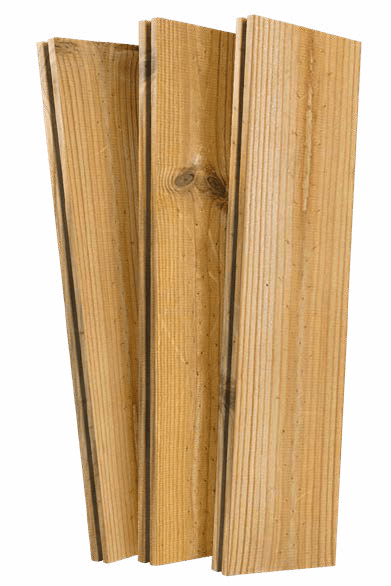
Understanding Shaded Conditions and Their Impact on Decking
Shaded areas, whether from mature trees, an overhang, or adjacent structures, inherently limit direct sunlight exposure. This reduced sun exposure means that moisture from rain, dew, or cleaning takes longer to evaporate from the deck surface. Prolonged surface moisture can contribute to the growth of algae, mildew, and other organic matter, potentially leading to a darkened or discolored appearance if not addressed.
For dense hardwoods like Bulletwood, while naturally resistant to decay, persistent surface moisture still requires attention to prevent aesthetic issues. The goal in a shaded setting is to facilitate drying and minimize the conditions that allow organic growth to thrive on the surface.
Why Bulletwood for Shaded Decks?
Bulletwood is known for its exceptional density and natural durability, characteristics that make it a suitable choice for exterior applications. Its inherent resistance to decay and insect infestation is a significant advantage, especially in environments where moisture retention is higher. The wood's tight grain and hardness contribute to its structural stability.
While Bulletwood's density helps it withstand the elements, its performance in shaded conditions is enhanced by proactive measures. Its rich, reddish-brown tones can deepen over time, and with proper care, a shaded Bulletwood deck can maintain an attractive appearance, offering a warm and inviting outdoor space.
Lumber Plus offers Bulletwood for decking and exterior applications. Specific profiles and current availability can be confirmed through your Lumber Plus branch.
Promoting Drying and Ventilation
Effective ventilation beneath and around the deck is paramount for shaded areas. Good airflow helps moisture evaporate from both the top and underside of the deck boards. Consider the following during planning:
Adequate spacing between deck boards: While standard spacing is generally recommended, ensuring consistent gaps allows for water drainage and air circulation. Consult the specific product documentation for Bulletwood for precise spacing guidelines.
In heavily shaded or humid areas, more clearance can be beneficial.
Perimeter ventilation: Avoid enclosing the deck perimeter completely. If skirting is used, incorporate vents or lattice panels to allow air to flow freely. Ensure these openings are not obstructed by landscaping or stored items.
Site grading and drainage: Ensure the ground beneath and around the deck slopes away from the structure to prevent water pooling. This helps keep the underside of the deck drier.
Cleaning and Maintenance for Shaded Bulletwood
Regular cleaning is crucial for Bulletwood decks in shaded environments to prevent the buildup of organic growth. Unlike sun-exposed decks where UV light can inhibit some growth, shaded decks require more frequent attention.
Routine sweeping: Regularly sweep away leaves, dirt, and other debris that can trap moisture on the deck surface.
Seasonal washing: A gentle wash with water and a mild, pH-neutral deck cleaner is recommended. For areas prone to algae or mildew, a cleaner specifically formulated to address these issues can be used, ensuring it is compatible with hardwood decking. Always follow the cleaner manufacturer's instructions and test on an inconspicuous area first.
Avoid harsh chemicals: Bleach or abrasive cleaners can damage the wood's surface or alter its color. High-pressure washers can also damage the wood if not used carefully and at a low setting.
Consider an exterior finish: While Bulletwood can be left to weather naturally, applying a penetrating oil finish can help protect the surface and enhance its color. A finish can also create a smoother surface that is easier to clean and less prone to trapping moisture, though it introduces a reapplication schedule. Always choose a finish designed for exterior hardwood decking and suitable for shaded conditions.
Worked Example: Planning a Shaded Bulletwood Deck
Consider a hypothetical 10-foot by 12-foot deck in a backyard corner, shaded by a large oak tree and the north side of a house. The goal is to maximize drying and minimize maintenance for Bulletwood decking.
Dimensions: 10 ft (width) x 12 ft (length) = 120 sq ft.
Deck Board Profile: Assume Bulletwood decking boards are 5.5 inches wide and available in various lengths, including 10-foot and 12-foot options to minimize waste.
Ventilation Strategy:
Perimeter skirting: Instead of solid skirting, a lattice panel with at least 50% open area will be used around the deck's perimeter to allow continuous cross-ventilation. Two larger, strategically placed access panels will also be incorporated for periodic under-deck inspection and cleaning.
Material Takeoff (Hypothetical):
Number of boards across 10 ft (120 inches) = 120 / 5.6875 21.09. Round up to 22 boards.
To cover 12 ft length, using 12 ft boards, 22 boards x 12 ft/board = 264 linear feet.
If 10 ft boards are used for the 10 ft width, and 12 ft boards for the 12 ft length, the arrangement needs to be mapped to minimize cuts. For a simple layout, 22 boards of 12 ft length would be purchased. This is a simplified calculation; actual waste factors and specific board lengths available from Lumber Plus should be confirmed for a precise order.
Maintenance Plan:
Monthly: Sweep debris, especially after windy conditions.
Quarterly: Inspect for any organic growth. Spot clean with a mild deck cleaner as needed.
Annually (Spring and Fall): Thorough wash with a pH-neutral, hardwood-compatible deck cleaner and soft brush. Rinse thoroughly. Reapply a penetrating oil finish every 1-2 years, depending on product recommendations and deck appearance.
Before you order
- Assess the degree and duration of shade on your deck site.
- Verify local building codes for minimum under-deck clearance and ventilation requirements.
- Plan for adequate airflow beneath and around the deck structure.
- Select a Bulletwood decking profile compatible with your desired aesthetic and installation method.
- Choose appropriate fasteners that allow for wood movement and maintain consistent board spacing.
- Research and select a cleaning product suitable for hardwood decking and shaded conditions.
- Consider whether a penetrating oil finish is desired for added protection and color enhancement.
- Develop a regular maintenance schedule tailored to the shaded environment.
- Confirm Bulletwood product availability and specific profile details with Lumber Plus.
Confirm installation details, approved uses and warranty terms in the current instructions for the exact product and profile. Your installer should verify the substrate, structure and applicable project requirements.
Questions to help you decide
Will Bulletwood turn gray in a shaded environment?
All natural wood, including Bulletwood, will undergo a process of weathering when exposed to the elements. In shaded environments, the absence of direct UV light can slow down the silvering process compared to full sun exposure. However, prolonged moisture can lead to a darker, sometimes greenish, patina from algae or mildew if not regularly cleaned. Regular cleaning and an optional penetrating oil finish can help maintain the wood's original color longer.
What kind of fasteners are best for Bulletwood in shaded areas?
For Bulletwood, both hidden fastening systems and face fastening can be used. Hidden fasteners provide a clean, unblemished surface and often help maintain consistent board spacing. If face-fastening, use high-quality, corrosion-resistant screws specifically designed for hardwood decking. Ensure the chosen fastener system allows for the natural expansion and contraction of the wood and is compatible with the expected moisture levels in a shaded area.
Can I use Bulletwood decking near plants or landscaping in a shaded area?
Yes, Bulletwood can be used near plants and landscaping. However, it is important to ensure that plants do not directly overhang or sit on the deck, as this can trap moisture and accelerate organic growth. Maintain a clear perimeter around the deck and trim any foliage that could impede airflow or contribute to excessive shade directly on the deck surface. Ensure proper drainage from planters to prevent water from sitting on the deck boards.
Ready to Plan Your Shaded Bulletwood Deck?
Request a material quote with your project dimensions, desired Bulletwood profile, and ZIP code. Confirm current availability and service options for your location.
Request a material quote →