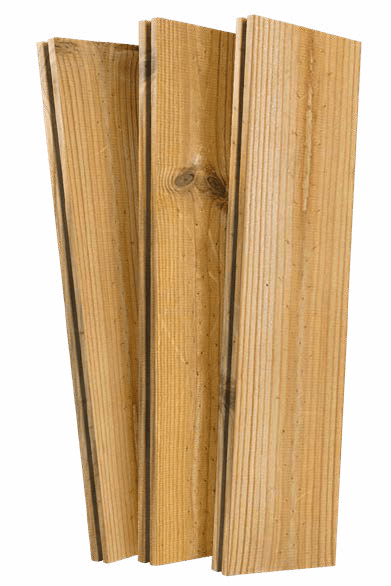
Bulletwood for Commercial Use: Suitability and Considerations
Bulletwood is a dense tropical hardwood, often considered for exterior applications due to its inherent strength. In a commercial context like a restaurant patio, this density contributes to resistance against indentations from chair legs and general wear from heavy foot traffic. Its natural properties can make it a durable choice for outdoor dining areas.
However, commercial use also brings specific challenges, such as increased frequency of cleaning, potential for grease spills, and the need for consistent aesthetic presentation. While Bulletwood is resilient, a proactive maintenance schedule is crucial to preserve its appearance and functional integrity in a restaurant environment. Always confirm specific profile and availability with your Lumber Plus branch for commercial projects.
When evaluating Bulletwood, consider the expected traffic volume, the type of dining experience (casual vs. fine dining), and local climate conditions. These factors will influence the ideal board profile, fastening methods, and ongoing care plan.
Planning Seating Layout and Board Orientation
The layout of your restaurant patio directly impacts customer flow, seating capacity, and overall dining experience. When designing with Bulletwood decking, think about how the board orientation can complement or define different zones within the patio.
For example, running boards parallel to the longest dimension of the patio can create a sense of expansiveness. Alternatively, using a diagonal pattern or creating distinct 'zones' with different board orientations can help delineate areas for dining, waiting, or service. Consider how tables and chairs will be arranged and moved. A uniform board width can simplify layout and replacement if needed.
Consider a hypothetical patio measuring 20 feet by 30 feet. If using 5-inch wide (nominal) Bulletwood boards, running them parallel to the 30-foot length would require approximately 48 boards (20 feet / 5 inches = 48). This simple layout offers a clean, continuous look. For a more intricate design, such as a border or a change in direction, additional cuts and careful planning for seams will be necessary. Always account for board spacing as per manufacturer guidelines.
Maintenance Regimen for High-Traffic Patios
A commercial restaurant patio demands a rigorous and consistent maintenance schedule. While Bulletwood is durable, its appearance can be affected by food spills, beverages, and general grime from daily operation. Regular cleaning is paramount.
Daily sweeping and spot cleaning for spills are essential. For deeper cleaning, a mild, pH-neutral cleaner specifically designed for hardwood decks should be used. Avoid harsh chemicals, abrasive cleaners, or high-pressure washers, as these can damage the wood's surface or finish. Always test any cleaning product on an inconspicuous area first.
To maintain the wood's original color, periodic application of a UV-inhibiting finish or oil may be required, depending on desired aesthetic and sun exposure. Without such treatment, Bulletwood, like most hardwoods, will naturally weather to a silver-gray patina over time. Regular inspection for loose fasteners or damaged boards should also be part of the routine to ensure safety and prevent minor issues from escalating.
Selecting Profiles and Fastening Methods
Bulletwood decking is available in various profiles, which refer to the shape of the board and how it's designed to be installed. For a commercial patio, common profiles include standard square-edge boards for face-fastening or grooved boards designed for hidden fastening systems. Each has aesthetic and practical implications.
Face-fastening involves screwing through the face of the board into the joist below. This method is generally robust and allows for easy board replacement if necessary. However, the visible fasteners may not align with all design aesthetics. Hidden fastening systems, on the other hand, create a clean, fastener-free surface, which can be desirable for a high-end restaurant. These systems typically involve clips that secure the grooved edges of the boards to the joists.
When selecting a profile and fastening method, consider the desired aesthetic, ease of installation, and long-term maintenance. For high-traffic areas, ensuring a secure and stable installation is critical to prevent movement or loosening of boards over time. Always consult the specific product documentation for recommended fastening techniques and compatible hardware. Your Lumber Plus branch can assist with profile and availability confirmation.
Ensuring Proper Drainage and Ventilation
Proper drainage and ventilation are critical for the longevity of any outdoor deck, especially in a commercial setting where moisture exposure might be frequent from cleaning or spills. Water pooling on or under the deck can lead to issues like staining, mold growth, or even structural damage over time.
Design the patio with a slight slope (typically 1/8 to 1/4 inch per foot) away from the building to facilitate water runoff. Ensure that the substructure allows for adequate airflow beneath the deck boards. This ventilation helps to dry out the wood evenly, reducing the risk of warping or cupping.
If the patio is constructed over an impermeable surface like concrete, consider using sleepers or a pedestal system to create a gap for drainage and ventilation. This separation prevents direct contact with moisture and allows air to circulate freely, which is essential for the health of the wood. Confirm the specific requirements for your chosen Bulletwood profile and installation method.
Before you order
- Confirm local commercial building codes and fire regulations for outdoor dining spaces.
- Evaluate expected foot traffic and furniture movement to inform board profile and fastening choice.
- Plan the patio layout to optimize seating capacity and customer flow.
- Determine desired aesthetic (natural weathering vs. maintained color) for Bulletwood.
- Establish a detailed, proactive daily and periodic cleaning and maintenance schedule.
- Verify proper substructure design for drainage and ventilation.
- Select appropriate fastening methods (face-fastened or hidden) for durability and aesthetics.
- Obtain specific Bulletwood profile and availability details from Lumber Plus.
- Budget for initial material costs, installation, and ongoing maintenance supplies.
Confirm installation details, approved uses and warranty terms in the current instructions for the exact product and profile. Your installer should verify the substrate, structure and applicable project requirements.
Questions to help you decide
Can Bulletwood decking be installed directly over an existing concrete patio?
Installing Bulletwood decking directly over concrete requires careful planning to ensure proper drainage and ventilation. It is generally recommended to create a subframe or use a pedestal system to elevate the deck boards. This prevents moisture from getting trapped between the wood and concrete, which can lead to issues like rot or mold. Always ensure a slight slope for water runoff and adequate airflow beneath the deck.
How does Bulletwood stand up to spills common in a restaurant environment?
Bulletwood's density provides some resistance to penetration from spills. However, food and beverage spills, especially oils, sauces, or colored drinks, should be cleaned promptly to prevent staining. Regular, diligent cleaning with a mild, pH-neutral cleaner is essential for maintaining the deck's appearance in a commercial restaurant setting. Leaving spills to sit can lead to more difficult-to-remove marks.
What is the typical lifespan of Bulletwood decking on a commercial patio?
The lifespan of Bulletwood decking in a commercial patio setting is influenced by several factors, including climate, installation quality, and, most significantly, the consistency and thoroughness of its maintenance. With proper installation, regular cleaning, and periodic application of a suitable finish, Bulletwood can offer many years of service. Neglecting maintenance, especially in a high-traffic commercial environment, may reduce its aesthetic appeal and functional life. Consult with your Lumber Plus representative for specific product guidance.
Plan Your Restaurant Patio with Bulletwood Decking
Ready to enhance your restaurant's outdoor dining experience? Request a material quote for Bulletwood decking. Provide your project dimensions, desired profile, and ZIP code to confirm current availability and service options. Explore our full range of decking options, including other hardwoods like Ipe, composites, and PVC, to find the perfect fit for your commercial project.
Request a material quote →