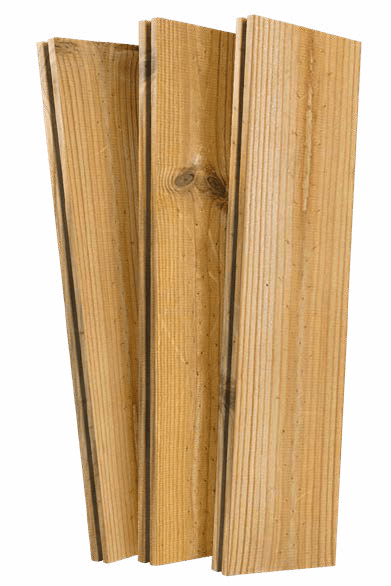
Understanding Bulletwood for Wet Applications
Bulletwood is a tropical hardwood known for its density and natural resilience. These characteristics contribute to its suitability for exterior applications, including decking. When considering Bulletwood for a pool surround, its ability to endure fluctuating moisture levels is a key factor. While no wood is impervious to water, dense hardwoods like Bulletwood generally exhibit good dimensional stability when properly installed and maintained.
The inherent properties of Bulletwood suggest it can perform in environments where it will frequently encounter water. Its tight grain structure helps resist moisture absorption, which is crucial for preventing common issues like warping or cupping. However, it is essential to manage water exposure through proper drainage and ventilation, especially in a pool area where standing water is common.
Planning for Drainage and Ventilation Around a Pool
Effective water management is paramount for any decking material around a pool, and Bulletwood is no exception. Proper drainage ensures that water from splashes, rain, and cleaning does not accumulate on or under the deck boards. This means designing the deck with a slight slope away from the pool and ensuring the substructure allows water to flow freely.
Ventilation beneath the deck is equally important. Stagnant moisture can create an environment conducive to mold and mildew, potentially affecting the underside of the deck boards and the substructure. Ensure adequate spacing between boards and sufficient airflow beneath the deck to allow for rapid drying. This is particularly critical in areas with high humidity or limited sun exposure.
Installation Considerations for Pool Surrounds
Installing Bulletwood decking around a pool requires attention to detail. Board spacing is critical; it allows for drainage and accommodates the natural movement of the wood. Consult the specific product guidelines for recommended gap sizes, as these can vary. Consistent spacing also contributes to a uniform aesthetic.
Fastening methods should be chosen carefully to ensure long-term stability in a wet environment. Hidden fasteners are often preferred for a clean appearance and to minimize potential trip hazards. If face-fastening is chosen, use corrosion-resistant screws suitable for exterior hardwood applications. Proper installation techniques help prevent issues such as board lifting or movement over time, which can be exacerbated by frequent wetting and drying cycles.
Special attention should be paid to the edges and transitions of the pool surround. Bullnose profiles or other edge treatments can provide a finished look and improve comfort for bare feet. Ensure that any edge boards are securely fastened and that their design facilitates drainage rather than trapping water.
Maintenance for Bulletwood Pool Decking
Regular maintenance is key to preserving the appearance and performance of Bulletwood decking around a pool. Routine cleaning to remove dirt, debris, and pool chemical residue is essential. A soft brush or power washer on a low setting, along with a compatible cleaning solution, can help keep the surface clean. Always rinse thoroughly after cleaning.
Bulletwood, like other hardwoods, will naturally weather to a silver-gray patina if left untreated. If you prefer to maintain its original rich color, periodic application of a UV-protective oil finish is necessary. This finish also provides an additional layer of protection against moisture and helps to prevent surface checking. Before applying any finish, ensure the deck is clean and completely dry.
Inspect the deck periodically for any signs of wear, loose fasteners, or damage. Addressing minor issues promptly can prevent them from becoming larger problems. In a pool environment, pay close attention to areas that receive the most splashing or direct sun, as these may require more frequent attention.
Hypothetical Project Example: A 10x20 Foot Pool Surround
Consider a hypothetical rectangular pool with a surrounding deck that measures 10 feet wide by 20 feet long. For this example, we'll assume a consistent deck width of 4 feet around all sides of the pool, creating an outer perimeter of 18 feet by 28 feet (10ft + 4ft + 4ft = 18ft; 20ft + 4ft + 4ft = 28ft). The total area of the deck would be the outer rectangle minus the pool area: (18 ft * 28 ft) - (10 ft * 20 ft) = 504 sq ft - 200 sq ft = 304 sq ft.
If using Bulletwood decking boards that are nominally 5.5 inches wide and available in various lengths, a common practice is to purchase boards that minimize cuts and waste. For the 4-foot width sections, a 16-foot board could yield two 4-foot sections with 8 feet of usable offcut, or a 12-foot board could yield two 4-foot sections with 4 feet of usable offcut. For the longer 28-foot runs, multiple boards would be joined. Careful planning of board lengths and seam placement is crucial to optimize material use and achieve a desired aesthetic.
This calculation is a starting point and would be refined based on specific board lengths, cut plans, and desired layout details like picture framing. Always add a percentage for waste, typically 5-10%, especially with custom cuts around a pool shape.
Before you order
- Confirm local building codes and permits for pool decking.
- Evaluate site drainage and plan for positive water runoff away from the pool and structures.
- Design the substructure to allow for adequate ventilation beneath the deck boards.
- Select appropriate corrosion-resistant fasteners for the wet environment.
- Plan board spacing according to manufacturer guidelines for drainage and wood movement.
- Consider edge profiles and transitions for safety and aesthetics around the pool.
- Establish a maintenance routine, including cleaning and re-oiling (if desired), to protect the decking.
- Request a material quote with exact dimensions, desired Bulletwood profile, and your ZIP code.
Confirm installation details, approved uses and warranty terms in the current instructions for the exact product and profile. Your installer should verify the substrate, structure and applicable project requirements.
Questions to help you decide
Is Bulletwood decking naturally slip-resistant around a pool?
While the texture of natural wood can offer some grip, no wood product can be universally classified as "slip-resistant" without specific testing under various wet conditions. The surface can become slick when wet, especially with pool chemicals or organic buildup. Regular cleaning is important, and some homeowners may consider additional non-slip treatments or textured finishes if enhanced grip is a priority. Always exercise caution on wet surfaces.
How does Bulletwood react to pool chemicals like chlorine?
Bulletwood is a dense hardwood, which generally makes it more resistant to surface damage from dilute pool chemicals compared to softer woods. However, prolonged exposure to concentrated chemicals or frequent splashing without rinsing can potentially affect the wood's finish and color over time. It is recommended to rinse any chemical splashes with fresh water promptly and to perform regular cleaning to remove residues.
Can Bulletwood decking get hot in direct sunlight around a pool?
All decking materials, including natural hardwoods, can absorb heat from direct sunlight and become warm to the touch. Darker wood tones tend to absorb more heat than lighter ones. The actual surface temperature will depend on factors such as ambient temperature, sun exposure, and the specific finish applied to the Bulletwood. It is advisable to test the surface temperature before walking barefoot on any deck in direct sun.
Plan Your Bulletwood Pool Surround Project
Ready to explore Bulletwood for your pool decking? Request a material quote by providing your project dimensions, the exact Bulletwood profile you're interested in, and your ZIP code. We can also confirm current availability and service options for your area. Visit our Bulletwood decking page at /decking/hardwood/bulletwood to learn more.
Request a material quote →