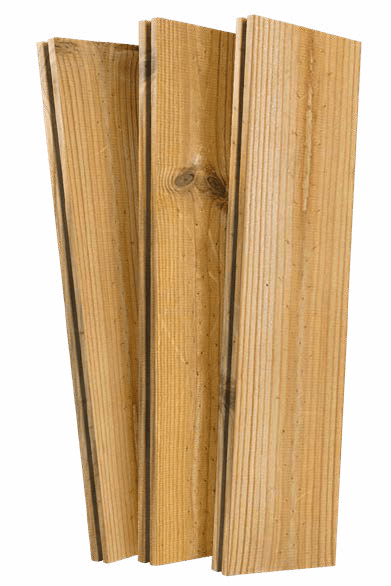
Bulletwood Decking: An Overview for Outdoor Kitchens
Bulletwood is a tropical hardwood often chosen for exterior applications due to its inherent density and durability. These characteristics can make it a suitable material for decking, particularly in areas subject to heavy use, such as an outdoor kitchen. Its natural resistance to wear and tear is a key advantage where spills, foot traffic, and equipment movement are common.
When considering Bulletwood for an outdoor kitchen deck, its appearance can also be a factor. The material's natural color and grain can complement various outdoor kitchen designs, from rustic to contemporary. However, the practical aspects of its installation and long-term performance around cooking appliances are paramount.
Equipment Clearances and Material Compatibility
A primary concern for any outdoor kitchen is ensuring adequate clearance around cooking appliances. This includes grills, pizza ovens, side burners, and refrigerators. Manufacturers of outdoor kitchen equipment provide specific clearance requirements to combustible materials, which must be strictly followed. While Bulletwood is a dense hardwood, it is still a combustible material.
Always consult the installation manuals for all outdoor kitchen appliances to understand their minimum clearance to combustible surfaces. This may necessitate using non-combustible materials directly beneath or immediately adjacent to certain appliances, or ensuring a sufficient gap. For example, a grill might require a non-combustible pad or a specific distance from the decking surface.
Consider the heat generated by appliances. Even if direct contact is avoided, radiant heat can affect nearby decking over time. Plan the layout to minimize prolonged exposure to intense heat. For built-in components, ensure that the decking material does not impede ventilation or access for maintenance.
Structural Support for Heavy Appliances
Outdoor kitchen components, especially built-in grills, stone counters, and refrigerators, can be significantly heavier than typical deck furniture. The deck frame must be designed to support these concentrated loads. Standard deck joist spacing and sizing may not be sufficient for heavy appliances.
When planning Bulletwood decking around an outdoor kitchen, it is essential to have the deck structure engineered to account for the additional weight. This might involve closer joist spacing, larger joists, additional beams, or specialized footings in the areas designated for heavy equipment. Do not rely on the decking material itself to provide structural support for appliances; its role is primarily the walking surface.
Verify that the sub-structure, including joists and supports, is robust enough to prevent deflection or instability under the weight of the kitchen units. This is a critical safety and longevity consideration for the entire outdoor kitchen area.
Managing Spills and Maintenance in Kitchen Areas
Outdoor kitchens are prone to spills from cooking oils, sauces, and beverages. While Bulletwood is a dense material, it is still wood and can absorb stains if not properly maintained. Regular cleaning is important, especially in a kitchen environment.
Consider the finish applied to the Bulletwood decking. A protective finish can help repel spills and make cleaning easier. However, any finish will require periodic reapplication, and the frequency might increase in a high-traffic, high-spill area like an outdoor kitchen. Prompt cleanup of spills is always recommended.
Plan for adequate drainage around the outdoor kitchen area. While decking boards typically have gaps for water runoff, consider how spills might accumulate or be channeled, especially under built-in units. Proper ventilation underneath the deck is also important to prevent moisture buildup.
Planning Utilities: Gas, Water, and Electrical
Outdoor kitchens often require gas lines, water lines, and electrical outlets. The routing and installation of these utilities must be carefully integrated into the deck design before the Bulletwood decking is installed. This often involves planning for penetrations through the deck surface or routing lines beneath the deck.
Ensure all utility installations comply with local building codes. Gas lines and electrical wiring require professional installation and inspections. Plan access points for future maintenance or repairs of these utilities without having to dismantle large sections of the deck.
Coordinate the placement of utility hookups with the exact location of your outdoor kitchen appliances. For example, a gas line for a grill should emerge precisely where the grill connects, and electrical outlets should be conveniently located for blenders or other small appliances, while still being protected from the elements.
Hypothetical Project Example: A 10'x12' Outdoor Kitchen Deck
Imagine designing a 10-foot by 12-foot Bulletwood deck to accommodate a compact outdoor kitchen. The kitchen area will include a built-in gas grill (30 inches wide), a small sink with a base cabinet (24 inches wide), and a mini-refrigerator (20 inches wide), all arranged along one 10-foot edge.
First, consult the grill manufacturer's specifications. This means the Bulletwood decking cannot be directly adjacent to or beneath the grill.
To address this, the design incorporates a 36-inch wide by 30-inch deep section of non-combustible tile directly under the grill. The Bulletwood decking will then butt up to this tile section.
For the sink and refrigerator, which do not generate high heat, the Bulletwood decking can extend beneath their cabinets.
Utility lines (gas and water for the sink, electrical for the refrigerator) are routed beneath the deck, with precise cutouts in the Bulletwood boards for their connection points. A removable access panel, made from a section of Bulletwood decking, is planned near the sink's plumbing for easier maintenance. This careful planning ensures both safety and functionality for the outdoor kitchen.
A typical 5.5-inch wide Bulletwood decking board will be used. For a 10-foot by 12-foot area, excluding the 36-inch by 30-inch tile insert, the total Bulletwood decking area is approximately 112.5 square feet. Assuming 16-foot board lengths are available, this would require around 22 boards (112.5 sq ft / (0.458 ft width * 16 ft length per board) = 15.3 boards, rounded up for cuts and waste). This is a simplified calculation; a detailed cut plan would be necessary to confirm the exact quantity and minimize waste from the tile cutout.
Before you order
- Review all outdoor kitchen appliance manufacturer specifications for clearances to combustible materials.
- Identify areas requiring non-combustible surfaces (e.g., under grills) and plan for their integration with Bulletwood.
- Consult with an engineer or experienced builder to confirm deck structural design for concentrated loads from appliances.
- Plan the routing and installation of all utilities (gas, water, electrical) and ensure code compliance.
- Consider the chosen Bulletwood finish and its suitability for a kitchen environment, including spill resistance.
- Plan for proper drainage and ventilation beneath the deck, especially around built-in units.
- Determine access points for future maintenance of appliances and utilities.
- Measure the exact dimensions of all kitchen components to plan precise decking layouts and cutouts.
- Account for potential waste when calculating Bulletwood decking quantities, especially with custom cutouts.
Confirm installation details, approved uses and warranty terms in the current instructions for the exact product and profile. Your installer should verify the substrate, structure and applicable project requirements.
Questions to help you decide
Can Bulletwood decking be used directly under a grill?
Generally, no. Most grill manufacturers require specific clearances to combustible materials or mandate a non-combustible surface directly beneath the grill. Always check the grill's installation manual for precise requirements. Bulletwood, despite its density, is still a combustible wood product.
How do I protect Bulletwood decking from grease and food spills in an outdoor kitchen?
Applying a suitable protective finish can help repel spills and make cleaning easier. However, prompt cleanup of any spills is the most effective way to prevent staining. Regular cleaning and reapplication of the finish, as recommended by the product guidelines, will be necessary, potentially more frequently in a kitchen area.
What structural considerations are important for an outdoor kitchen deck?
Outdoor kitchen components are often heavy, creating concentrated loads. The deck's substructure (joists, beams, footings) must be designed to support these specific weights to prevent sagging or failure. This often requires closer joist spacing, larger structural members, or additional support compared to a standard deck.
Plan Your Bulletwood Outdoor Kitchen Decking Project
Ready to design your outdoor kitchen deck with Bulletwood? Request a material quote by providing your project dimensions, desired Bulletwood profile, and ZIP code. We can also confirm current product availability and service options for your area. Explore Bulletwood for dense, durable decking and exterior applications: * Bulletwood Decking: /decking/hardwood/bulletwood * All Decking Options: /decking * Hardwood Decking: /decking/hardwood * Ipe Hardwood Decking: /decking/hardwood/ipe * Composite Decking: /decking/composite
Request a material quote →