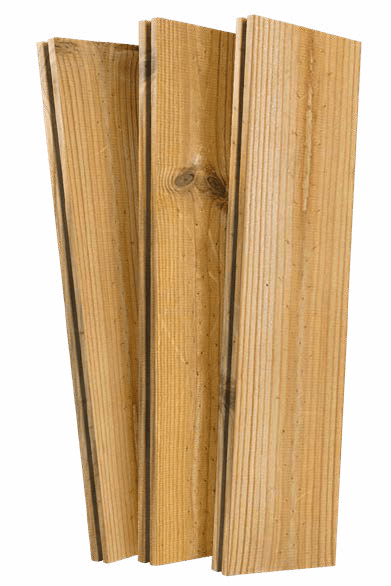
Understanding Initial Material Costs for Bulletwood Decking
The first step in any decking project budget is calculating the material cost. Bulletwood is a tropical hardwood known for its density, which can influence both its price per linear foot and its longevity. When requesting a quote, specify the desired board dimensions (e.g., 1x6 or 5/4x6) and lengths to ensure accuracy.
For a hypothetical 200 square foot deck, using 1x6 (nominal) Bulletwood decking boards, you would need to calculate the linear footage. A 200 square foot deck would require approximately 426 linear feet of decking, before accounting for waste or specific layout patterns. Always factor in an additional 10-15% for cuts, waste, and future repairs.
Beyond the boards themselves, consider the cost of fasteners. While Bulletwood can be face-fastened, many prefer hidden fastening systems for a cleaner aesthetic. Hidden fasteners typically cost more per square foot than traditional screws. Also, account for any specialized drill bits or tools required for working with dense hardwoods.
Installation Labor: Professional vs. DIY
Installation labor represents a significant portion of the total project budget. For Bulletwood, professional installation is often recommended due to its density and the specialized tools and techniques that may be required for cutting and fastening without splitting. This is especially true for projects with complex designs, such as diagonal layouts or intricate borders.
If you plan a DIY installation, factor in the cost of renting or purchasing appropriate tools, such as carbide-tipped saw blades, specialized drills, and potentially a decking jig for consistent spacing. While you save on labor costs, your time commitment will be substantial. For a 200 square foot deck, a DIY installation could easily take several weekends, depending on your skill level and the complexity of the project.
Ongoing Maintenance Tasks and Time Commitment
Bulletwood, like other natural hardwoods, requires periodic maintenance to preserve its appearance and integrity. The primary tasks include cleaning and, if desired, applying a UV-protective finish.
Cleaning: Regular cleaning, typically once or twice a year, involves removing dirt, mildew, and other debris. This can be done with a deck cleaner suitable for hardwoods and a stiff brush or pressure washer set to a low, fan-spray setting. For a 200 square foot deck, this task might take 2-4 hours per cleaning session.
Finishing: To maintain Bulletwood's rich, reddish-brown color, a UV-protective oil finish is recommended. Without it, the wood will naturally weather to a silver-gray patina. The frequency of reapplication depends on exposure to sun and weather, but typically ranges from annually to every two years. Applying a finish involves cleaning the deck, allowing it to dry completely, and then applying the oil with a roller or brush. For a 200 square foot deck, this task could take 4-8 hours, plus drying time.
These tasks are not just about cost; they represent a recurring time investment. Understanding this time commitment upfront helps in evaluating whether Bulletwood aligns with your lifestyle and willingness to perform regular upkeep.
Comparing Bulletwood to Other Decking Options
When considering Bulletwood, it's useful to compare its lifecycle budget with other common decking materials such as Ipe, composite, or PVC.
Ipe: Another dense tropical hardwood, Ipe shares many characteristics with Bulletwood, including similar installation challenges and maintenance requirements for color retention. Initial material costs are often comparable, and the ownership tasks are very similar.
Composite Decking: Composite materials typically have a higher initial material cost than most hardwoods. However, their primary appeal is lower maintenance. They do not require sanding, staining, or sealing, and often only need periodic cleaning with soap and water. This significantly reduces the ongoing time commitment and the recurring cost of stains or sealers.
PVC Decking: PVC decking generally represents the highest initial material cost among these options. Like composite, it offers very low maintenance, requiring only occasional cleaning. It is a good choice for those prioritizing minimal upkeep and a consistent appearance without the need for periodic finishing.
Hypothetical Lifecycle Budget for a 200 sq ft Bulletwood Deck
Let's outline a hypothetical 5-year budget for a 200 square foot Bulletwood deck, assuming professional installation for the initial build and DIY maintenance.
Initial Costs (Year 0):
Build this part of the estimate from the current supplier quote. Record the exact product, quoted unit, quantity, compatible accessories and delivery costs separately so assumptions do not become advertised prices.
Build this part of the estimate from the current supplier quote. Record the exact product, quoted unit, quantity, compatible accessories and delivery costs separately so assumptions do not become advertised prices.
Build this part of the estimate from the current supplier quote. Record the exact product, quoted unit, quantity, compatible accessories and delivery costs separately so assumptions do not become advertised prices.
Annual Maintenance Costs (Years 1-5, DIY):
Build this part of the estimate from the current supplier quote. Record the exact product, quoted unit, quantity, compatible accessories and delivery costs separately so assumptions do not become advertised prices.
Build this part of the estimate from the current supplier quote. Record the exact product, quoted unit, quantity, compatible accessories and delivery costs separately so assumptions do not become advertised prices.
Build this part of the estimate from the current supplier quote. Record the exact product, quoted unit, quantity, compatible accessories and delivery costs separately so assumptions do not become advertised prices.
5-Year Ownership Budget:
Build this part of the estimate from the current supplier quote. Record the exact product, quoted unit, quantity, compatible accessories and delivery costs separately so assumptions do not become advertised prices.
Build this part of the estimate from the current supplier quote. Record the exact product, quoted unit, quantity, compatible accessories and delivery costs separately so assumptions do not become advertised prices.
Build this part of the estimate from the current supplier quote. Record the exact product, quoted unit, quantity, compatible accessories and delivery costs separately so assumptions do not become advertised prices.
This example provides a framework. Actual costs will vary based on material prices at the time of purchase, labor rates, and the specific products chosen for cleaning and finishing. The time commitment for maintenance is also a significant factor to consider alongside these monetary costs.
Before you order
- Have I obtained a detailed quote for all Bulletwood materials, including boards, fasteners, and any trim?
- Have I factored in professional installation costs, or allocated sufficient time and tool budget for DIY?
- Am I prepared for annual or biennial cleaning and reapplication of a UV-protective finish?
- Have I compared the initial cost plus 5-year maintenance costs of Bulletwood against alternative decking materials?
- Does the time commitment for Bulletwood maintenance fit my lifestyle and expectations?
- Do I understand that Bulletwood will naturally silver if not regularly finished?
Confirm installation details, approved uses and warranty terms in the current instructions for the exact product and profile. Your installer should verify the substrate, structure and applicable project requirements.
Questions to help you decide
How often does Bulletwood decking need to be sealed or oiled?
To maintain Bulletwood's original color, a UV-protective oil finish is typically recommended annually or biennially, depending on sun exposure and climate. If left untreated, the wood will gradually weather to a silver-gray patina.
Is Bulletwood decking difficult to install for a DIYer?
Bulletwood is a dense hardwood, which can make it more challenging to cut and fasten compared to softer woods. Specialized carbide-tipped blades and pre-drilling are often necessary. While a skilled DIYer can install it, it often requires more time and specific tools than other decking materials.
What are the main ongoing costs for Bulletwood decking?
The main ongoing costs for Bulletwood decking are for cleaning supplies (deck cleaner, brushes) and UV-protective oil finish, which needs periodic reapplication. Labor costs for maintenance are incurred if you hire someone, or represent your time if you perform the tasks yourself.
Ready to Plan Your Bulletwood Decking Project?
Request a material quote with your project dimensions, desired Bulletwood profile, and ZIP code. We can confirm current availability and service options to help you budget effectively for your new deck.
Request a material quote →