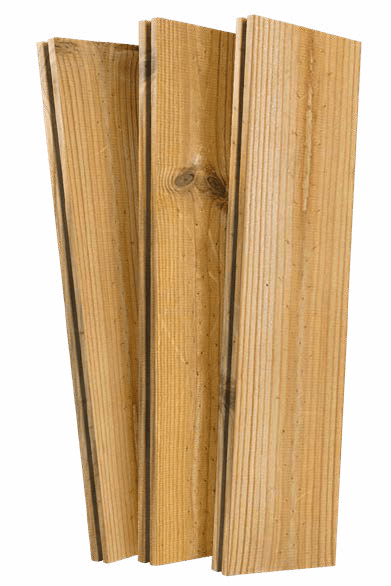
Understanding Bulletwood in Full Sun Exposure
Bulletwood is a tropical hardwood known for its natural density and resistance to various environmental factors, making it a candidate for exterior applications. When exposed to full sun, like other hardwoods, Bulletwood will undergo a natural weathering process. This typically involves a color change as the wood's surface reacts to UV radiation. Initially, the rich tones of Bulletwood may deepen or shift, eventually developing a silver-gray patina if left untreated.
The density of Bulletwood contributes to its stability, but all wood materials absorb and radiate heat. In direct, intense sunlight, the surface temperature of Bulletwood decking can become quite warm. This is a common characteristic of many dark-colored or dense decking materials. Planning for shade or considering the timing of deck use can help mitigate this.
Designing for Comfort: Shade and Layout
For decks in full sun, incorporating shade elements is often essential for comfort, especially during peak daylight hours. Consider permanent structures like pergolas, gazebos, or cantilevered awnings that can provide consistent relief. The orientation of these shade structures relative to the sun's path throughout the day and year will determine their effectiveness. Temporary solutions such as large patio umbrellas or retractable sails offer flexibility and can be adjusted as needed.
The layout of your deck can also influence comfort. Placing seating areas or high-traffic zones in locations that naturally receive some afternoon shade, or under planned shade structures, can make the space more enjoyable. Think about how the deck will be used at different times of the day and year to optimize the placement of these elements.
Material Selection: Board Widths and Profiles
When selecting Bulletwood decking, consider the available board widths and profiles. While the material's performance in sun remains consistent across standard dimensions, wider boards can sometimes present a larger surface area for heat absorption. However, the choice often comes down to aesthetic preference and the overall scale of your deck project.
Lumber Plus offers Bulletwood for dense, durable decking and exterior applications. Confirm the specific profile and availability with your local branch as part of your project planning. The exact profile can influence how the boards are installed and how they manage moisture and expansion, though these factors are generally less critical for sun exposure than for consistent moisture contact.
Maintenance and Appearance in Sun-Exposed Settings
To maintain Bulletwood's original rich color in a sun-exposed environment, regular application of a UV-inhibiting oil finish is typically required. Without this, the wood will naturally gray over time. The frequency of reapplication will depend on the intensity of sun exposure, local climate conditions, and the specific finish product used. A deck in full sun may require more frequent reapplication compared to a shaded deck.
Regular cleaning to remove dirt, pollen, and other debris is also important. This helps prevent mildew growth and maintains the wood's appearance. Always use cleaning products compatible with your chosen finish and the Bulletwood itself. Consult product instructions for specific cleaning and maintenance guidelines.
Hypothetical Project: A 12x16 Foot Sun Deck
Consider a hypothetical 12-foot by 16-foot deck (192 square feet) that receives full sun exposure from late morning through late afternoon. The homeowner desires Bulletwood decking for its durability and natural aesthetic, but is concerned about surface temperature and maintaining the wood's color.
For this project, the homeowner decides to install a permanent pergola over a 12-foot by 8-foot section of the deck, covering the primary seating area. This structure will incorporate adjustable louvered panels to allow for varying degrees of shade throughout the day. For the remaining 12-foot by 8-foot section, which will primarily be used for sunbathing and potted plants, a large cantilever umbrella will be used as needed.
To address color retention, the homeowner plans to apply a high-quality UV-inhibiting hardwood oil finish immediately after installation and commit to annual reapplication, or as recommended by the finish manufacturer for full sun exposure. They will also select standard 5/4x6 Bulletwood decking boards, anticipating the potential for warm surfaces during peak sun, and will use outdoor rugs in high-traffic areas to provide additional comfort underfoot. A light-colored finish could be considered if available, to potentially reduce heat absorption compared to darker tones, though the primary factor remains the wood's natural density and color.
Before you order
- Assess the exact sun exposure duration and intensity for your deck area.
- Decide if color retention is a priority, or if a silver-gray patina is acceptable.
- Plan for permanent or temporary shade structures to enhance comfort.
- Consider the deck's layout to place high-use areas in shaded zones.
- Research UV-inhibiting finishes for Bulletwood to protect color.
- Factor in the frequency of maintenance tasks required for sun-exposed wood.
- Review Bulletwood board profiles and availability with Lumber Plus.
- Obtain physical samples of Bulletwood to observe natural color and texture.
Confirm installation details, approved uses and warranty terms in the current instructions for the exact product and profile. Your installer should verify the substrate, structure and applicable project requirements.
Questions to help you decide
Does Bulletwood get hotter than other decking materials in the sun?
Like many dense, dark-colored decking materials, Bulletwood can absorb and retain heat when exposed to direct, intense sunlight. The surface temperature can become quite warm. While specific comparative data is not available, this is a common characteristic of most wood and composite decking in full sun. Lighter colored materials might absorb less heat, but the density of Bulletwood is a primary factor. Planning for shade or wearing appropriate footwear can help.
How often do I need to reapply a finish to Bulletwood in full sun?
The frequency of reapplication for a UV-inhibiting finish on Bulletwood in full sun will depend on the specific product used, the intensity of sun exposure, and local climate conditions. Generally, decks in full sun exposure may require reapplication annually or every 12-18 months to maintain the wood's original color. Always follow the manufacturer's recommendations for your chosen finish.
Can Bulletwood withstand harsh UV rays without damage?
Bulletwood is a dense tropical hardwood known for its natural durability in exterior applications, including exposure to UV rays. While the wood itself is robust, prolonged UV exposure will cause the surface to naturally weather and turn a silver-gray color if left unfinished. This is a cosmetic change, not typically a structural one. Applying a UV-inhibiting finish can help preserve its original color.
Ready to Plan Your Bulletwood Deck?
Request a material quote with your project dimensions, exact profile, and ZIP code to confirm current availability and service options for Bulletwood decking.
Request a material quote →