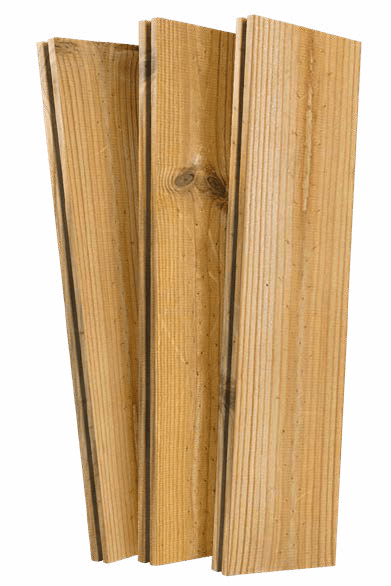
Bulletwood Decking Profiles and Hidden Fastener Suitability
Bulletwood decking is available in various profiles, and not all are designed for hidden fastening systems. The primary distinction lies in whether the board features a grooved edge or a smooth edge. Hidden fasteners typically require a grooved edge, which provides a channel for the fastener clip to engage and secure the board to the joist.
Smooth-edge Bulletwood boards are generally intended for face-fastening, where screws are driven directly through the top surface of the board into the joist. While some specialized hidden fastening methods might exist for smooth-edge boards, they often involve routing a groove on-site, which can add complexity and cost to the installation. For a straightforward hidden fastener installation, confirm that your chosen Bulletwood decking profile comes with pre-milled grooves.
Types of Hidden Fastening Systems for Grooved Decking
For grooved Bulletwood decking, several types of hidden fastening systems are available. Each system has its own design, installation method, and potential benefits:
Clip-and-Screw Systems: These are among the most common. A clip, often made of plastic or stainless steel, fits into the groove of the deck board. A screw then passes through the clip and into the joist below, securing the board. These systems often feature a self-spacing design, ensuring consistent gaps between boards.
Edge Fasteners: Some systems are designed to be driven into the edge of the board at an angle, securing it to the joist without visible fasteners on the surface. These typically require specialized tools for installation.
Under-Board Fasteners: These systems attach to the underside of the deck board and then to the joist, completely concealing the fasteners. They can be more complex to install but offer a very clean look.
Material Compatibility and Fastener Longevity
Bulletwood is a dense tropical hardwood, known for its durability. The fasteners chosen must be equally robust to ensure the longevity of the deck. Stainless steel fasteners are generally recommended for hardwood decking applications, especially in outdoor environments, due to their resistance to corrosion. Galvanized fasteners may not offer the same level of corrosion resistance and could potentially react with the natural tannins in Bulletwood over time, leading to staining.
Plastic clips, when used, should be made from high-quality, UV-resistant polymers designed for outdoor use. The combination of a durable clip and stainless steel screws provides a reliable fastening solution that can withstand the elements and the natural movement of the wood.
Substrate Requirements and Joist Spacing
The effectiveness of hidden fasteners depends heavily on the underlying deck frame. Joists must be spaced appropriately to provide adequate support for the deck boards and secure fastening points. Always consult the manufacturer's guidelines for both the Bulletwood decking and the chosen hidden fastener system to confirm the required joist spacing.
Ensure that joists are level and properly aligned to facilitate a smooth installation and a consistent deck surface. Irregularities in the sub-frame can lead to uneven board spacing or issues with fastener engagement.
Installation Considerations and Tooling
Installing hidden fasteners requires precision. While many systems are designed for DIY installation, specialized tools may be beneficial or even necessary for certain types. For clip-and-screw systems, a drill/driver with appropriate bits is essential. Some edge fastening systems require specific jigs or pneumatic tools.
Always follow the manufacturer's installation instructions for both the Bulletwood decking and the hidden fasteners exactly. This includes recommendations for pre-drilling pilot holes, setting screw depths, and maintaining proper board spacing. Incorrect installation can compromise the integrity of the fastening system and the deck itself. Account for the natural expansion and contraction of wood by ensuring proper gapping as specified by the manufacturer.
Worked Example: Hidden Fastener Calculation for a 100 sq ft Bulletwood Deck
Let's consider a hypothetical 10-foot by 10-foot Bulletwood deck (100 square feet) using grooved Bulletwood boards that are 5.5 inches wide and 16 feet long.
First, calculate the number of boards needed: A 10-foot width (120 inches) divided by the board width (5.5 inches) gives approximately 21.8 boards. Since boards are purchased in full lengths, you'd need 22 boards (with some cuts and potential waste).
This does not include any starter or end clips if your system requires them, or clips for picture frame borders. Always add a buffer for waste or unforeseen needs, typically 5-10%. For this example, ordering 190-200 clips would be a reasonable quantity.
This calculation is a simplified example. Actual projects require precise measurements, a detailed layout plan, and verification of the specific fastener system's coverage rate, which may include starter/end clips or different clip requirements for board ends.
Before you order
- Verify your Bulletwood decking profile is grooved for hidden fasteners.
- Confirm the chosen hidden fastener system is compatible with Bulletwood's density and groove dimensions.
- Select fasteners made from corrosion-resistant materials (e.g., stainless steel screws, UV-resistant plastic clips).
- Review the hidden fastener manufacturer's installation instructions for specific joist spacing and tooling requirements.
- Account for the number of fasteners needed based on deck dimensions and joist layout.
- Consider any special clips for starter boards, end boards, or picture frame borders.
- Plan for proper board gapping as recommended by the decking and fastener manufacturers.
- Ensure your deck frame is level and meets the structural requirements for your chosen fastening method.
Confirm installation details, approved uses and warranty terms in the current instructions for the exact product and profile. Your installer should verify the substrate, structure and applicable project requirements.
Questions to help you decide
Can I use hidden fasteners with smooth-edge Bulletwood decking?
Generally, hidden fasteners are designed for grooved decking profiles. While it is sometimes possible to route grooves into smooth-edge boards on-site, this adds complexity and may affect board integrity. For a simpler and more reliable hidden fastener installation, it is recommended to choose Bulletwood decking with pre-milled grooves.
Are all hidden fasteners compatible with Bulletwood?
No, not all hidden fasteners are universally compatible. Bulletwood is a dense hardwood, so fasteners must be robust enough to withstand its natural properties and movement. It's crucial to select fasteners made from appropriate materials like stainless steel and to verify compatibility with both the Bulletwood decking profile (specifically the groove dimensions) and the manufacturer's recommendations for hardwood applications.
What maintenance is required for hidden fasteners?
Once installed, hidden fasteners themselves typically require minimal maintenance. However, regular deck maintenance, such as cleaning and occasional reapplication of a suitable finish to the Bulletwood, helps protect the entire deck system, including the fasteners, from environmental wear. Periodically inspect the deck for any signs of fastener issues, such as loose boards or corrosion, and address them promptly.
Ready to Plan Your Bulletwood Deck with Hidden Fasteners?
Request a material quote with your project dimensions, exact Bulletwood profile, and ZIP code. Confirm current availability and service options for both Bulletwood decking and compatible hidden fastener systems.
Request a material quote →