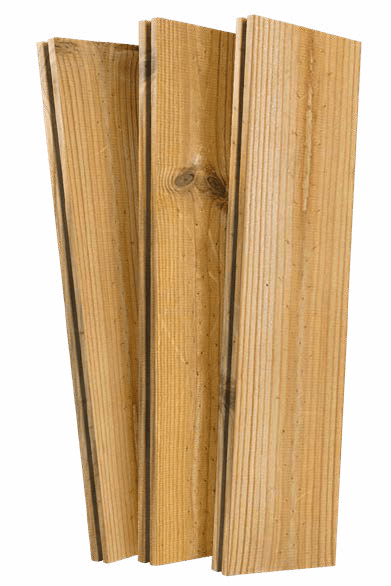
What is Deck Fascia and Why is it Important?
Deck fascia, also known as rim joist cover or skirt board, is the material applied to the outer perimeter of the deck frame. Its primary purpose is aesthetic: it conceals the exposed ends of the joists and beams, creating a clean, finished appearance. Beyond aesthetics, fascia also protects the rim joist from weathering and can contribute to the deck's overall visual weight.
Choosing the right fascia ensures a unified look, especially when viewed from ground level or an adjacent area. A well-selected fascia complements the deck surface, enhancing the project's visual impact.
Material Options for Bulletwood Decking Fascia
For Bulletwood decking, you generally have two main options for fascia material: using Bulletwood itself or selecting a complementary material. Each approach offers distinct advantages.
Using Bulletwood for fascia creates a seamless, uniform look. This ensures perfect color and grain matching with your deck surface. Bulletwood's natural density and durability, which make it suitable for decking, also make it a robust choice for fascia applications. This option is often preferred for high-end projects where a consistent aesthetic is paramount.
Alternatively, you might consider composite or PVC fascia boards. These materials are available in various colors and textures, some designed to mimic wood grain. They can offer a low-maintenance alternative and may be a cost-effective option for certain project budgets. When choosing a complementary material, select a color and texture that harmonizes with Bulletwood's natural reddish-brown tones.
Another option for fascia is to use a treated lumber, painted or stained to match or complement the Bulletwood. This can be a practical choice, especially if the fascia will not be highly visible or if budget is a primary concern. Ensure any paint or stain used is appropriate for exterior applications and compatible with the treated lumber.
Bulletwood Fascia Profiles and Dimensions
Bulletwood decking is often available in various board widths and thicknesses. When using Bulletwood for fascia, you typically select boards that are thinner than the primary deck boards but wide enough to cover the rim joist. Common fascia dimensions might include boards around 1x8 or 1x10 inches, though exact availability will depend on the product line. Wider boards are generally used to cover deeper rim joists.
The profile of the Bulletwood fascia can be a simple flat board, or it can have a slight eased edge for a softer look. Some projects may also incorporate a small trim piece, such as a quarter-round or shoe molding, at the bottom edge of the fascia for an even more refined finish, particularly if the deck is elevated and highly visible.
Fastening Fascia Boards Securely
Proper fastening is crucial for fascia boards, as they are exposed to the elements and need to remain securely attached over time. For Bulletwood fascia, face fastening is the most common and recommended method.
Use corrosion-resistant screws specifically designed for exterior use with hardwood. Pre-drilling pilot holes is essential for Bulletwood to prevent splitting, given its density. Countersink the screws slightly for a cleaner appearance.
If using a hidden fastening system for your deck boards, remember that fascia boards usually require face fastening due to their application against the rim joist. Ensure that the fastening method chosen for the fascia does not interfere with the deck board fastening or drainage.
Worked Example: Calculating Bulletwood Fascia Needs
Consider a rectangular deck measuring 12 feet by 16 feet, with a single set of stairs on one 12-foot side. The deck will have Bulletwood decking and matching Bulletwood fascia.
The perimeter needing fascia is 16 ft + 16 ft + 12 ft = 44 linear feet. The side with stairs will have fascia on either side of the stair opening, or the stairs themselves might be clad in Bulletwood, which would be a separate calculation. For this example, we assume the stairs are a separate component and the 12-foot side needs full fascia.
Assuming a standard 1x8 Bulletwood fascia board (actual dimensions approximately 3/4 inch thick by 7 1/4 inches wide), and factoring in cuts and potential waste, it's prudent to add 10-15% for waste. For 44 linear feet, you would need approximately 48-50 linear feet of material. If boards are typically sold in 8, 10, 12, 14, and 16-foot lengths, you would plan your cuts to minimize waste. For instance, two 16-foot boards and two 10-foot boards would provide 52 linear feet, allowing for cuts and waste. This is a hypothetical example; always confirm available lengths and calculate based on your exact project dimensions and layout.
Remember to account for corner miters or butt joints, and ensure enough material for any returns or specific design elements.
Before you order
- Determine if you want Bulletwood fascia or a complementary material.
- Measure the total linear feet of deck perimeter requiring fascia.
- Consider the depth of your rim joist to select an appropriate fascia board width.
- Account for waste (typically 10-15%) when calculating material quantity.
- Plan for fastening: corrosion-resistant screws and pre-drilling are essential for Bulletwood.
- Consider any trim pieces or decorative elements for the fascia edges.
- Confirm the availability of Bulletwood fascia in desired profiles and lengths.
- Coordinate the fascia order with your main decking order to ensure consistent material.
Confirm installation details, approved uses and warranty terms in the current instructions for the exact product and profile. Your installer should verify the substrate, structure and applicable project requirements.
Questions to help you decide
Can I use regular Bulletwood deck boards as fascia?
While technically possible, it is generally not recommended to use full-thickness deck boards for fascia. Fascia boards are typically thinner and wider to cover the rim joist efficiently and provide a finished look without adding unnecessary bulk. Using a dedicated fascia profile or thinner Bulletwood boards is usually more suitable.
Do I need to seal or finish Bulletwood fascia?
Like Bulletwood decking, Bulletwood fascia will naturally weather to a silver-gray patina if left untreated. If you wish to maintain the original color, you will need to apply a suitable UV-inhibiting oil finish regularly. Always follow the manufacturer's recommendations for any finishes applied to Bulletwood.
How do I handle corners with Bulletwood fascia?
For outside corners, mitered joints (cut at a 45-degree angle) create a clean, seamless appearance. For inside corners, a simple butt joint where one board meets the face of the other is common. Ensure all cuts are precise and any exposed end grain is properly sealed if you are applying a finish.
Request a Material Quote for Your Bulletwood Decking Project
Ready to select Bulletwood for your deck and fascia? Provide your project dimensions, desired Bulletwood profile, and ZIP code to request a material quote. We can confirm current availability and service options for your area.
Request a material quote →