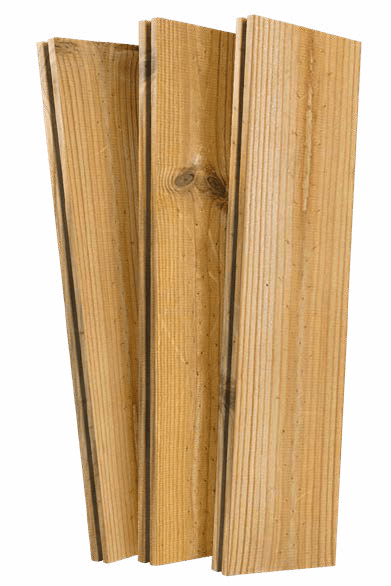
Understanding Bulletwood for Covered Porches
Bulletwood is a tropical hardwood known for its natural density and durability, making it suitable for exterior applications like decking. On a covered porch, these properties contribute to a robust surface that can withstand foot traffic and the typical wear of an outdoor living area. The inherent characteristics of hardwood mean it will respond to its environment, and a covered porch presents a nuanced set of conditions.
While sheltered from direct rain and intense sun, a covered porch still experiences fluctuations in humidity and temperature. This environment can influence the wood's movement and how it weathers. Unlike fully exposed decks, a covered porch may retain more of its initial color and finish over time due to reduced UV exposure, or it may develop a more subdued patina depending on the specific conditions and maintenance regimen.
Coordinating Thresholds and Interior Transitions
One of the defining features of a covered porch is its role as a transition zone between the interior of your home and the outdoors. Careful planning of thresholds is essential for both aesthetics and functionality. Consider how the Bulletwood decking will meet interior flooring materials, aiming for a seamless visual flow and minimal tripping hazards.
Matching or complementing the height of interior flooring at the doorway is crucial. This often involves planning for the deck frame and substructure to achieve the desired finished deck height. If the covered porch connects to multiple interior doors, ensure a consistent approach to all thresholds. For accessibility, aim for a flush transition where possible, or use a low-profile threshold that accommodates wheelchairs and reduces trip risks.
Furniture Placement and Weight Distribution
Covered porches are often furnished as outdoor rooms, with sofas, dining sets, and decorative elements. When planning with Bulletwood decking, consider the weight and type of furniture you intend to use. While Bulletwood is dense, concentrated heavy loads, especially from furniture with narrow feet, can still leave indentations over time.
Use furniture pads or broad-footed furniture to distribute weight more evenly. If you plan to incorporate very heavy items like large planters, ensure the deck's substructure is designed to support these loads. Regularly rearranging furniture can also help prevent uneven wear patterns or localized indentations on the decking surface.
Managing Exposed vs. Sheltered Sections
Not all covered porches offer complete shelter. Some designs may have open sides or sections that receive more direct sunlight or occasional rain. This creates zones where the Bulletwood decking will weather differently. In fully sheltered areas, the wood may retain its original color longer, especially if a UV-inhibiting finish is applied. In contrast, partially exposed areas may experience more rapid graying if left unfinished, or require more frequent reapplication of finishes.
When planning, decide whether to embrace this natural variation or to apply finishes uniformly and commit to consistent maintenance across all areas. If you prefer a consistent look, select a finish that is suitable for both sheltered and intermittently exposed conditions, and be prepared for more frequent maintenance in the areas with greater exposure. The choice of finish can also impact how easily different sections can be cleaned or restored.
Illustrative Example: A 10x15-foot Covered Porch
Consider a hypothetical covered porch measuring 10 feet wide by 15 feet long, connecting to a single interior doorway. The homeowner desires a consistent appearance for the Bulletwood decking, aiming to minimize the natural graying process. The decking boards selected are 5 inches wide (nominal, actual width may vary slightly) and come in standard lengths of 8, 10, 12, 14, and 16 feet.
For a 10-foot width, using 10-foot boards running parallel to the house would mean no butt joints across the width. For the 15-foot length, using 16-foot boards would allow for full-length runs with minimal waste, or using 8-foot and 7-foot sections (from a 14-foot board) with a staggered seam. To achieve a consistent look and minimize graying, a penetrating oil finish with UV inhibitors is planned for application immediately after installation and annually thereafter, with particular attention to the front edge which receives some morning sun and splash-back from rain.
Accounting for cuts and waste, ordering 10% extra would bring the requirement to roughly 400 linear feet. If ordering 16-foot boards, this would be 25 boards (400 / 16 = 25). This example highlights the need to factor in board lengths for optimal coverage and minimal waste, especially when aiming for specific aesthetics.
Before you order
- Assess the degree of shelter: Is the porch fully covered or partially exposed to sun/rain?
- Plan threshold transitions: How will the Bulletwood decking meet interior flooring?
- Consider furniture layout: Will heavy items require additional substructure support or protection?
- Choose a finish strategy: Will you allow natural weathering or apply a UV-inhibiting finish?
- Confirm substructure compatibility: Ensure joist spacing and ventilation are appropriate for Bulletwood.
- Verify local building codes: Check for specific requirements for covered porch structures and materials.
- Review product profiles: Confirm available Bulletwood decking profiles and sizes for your design.
Confirm installation details, approved uses and warranty terms in the current instructions for the exact product and profile. Your installer should verify the substrate, structure and applicable project requirements.
Questions to help you decide
Will Bulletwood decking change color on a covered porch?
Yes, Bulletwood, like all natural wood, will undergo some color change. On a covered porch, it will be protected from the most intense UV exposure and direct rain, which can slow down the natural graying process compared to a fully exposed deck. However, it will still gradually lighten and may develop a silver-gray patina over time, especially in areas that receive indirect light or occasional moisture. Applying a UV-inhibiting finish can help maintain its original tone longer, but will require reapplication.
What maintenance does Bulletwood decking require on a covered porch?
Maintenance for Bulletwood decking on a covered porch generally involves regular cleaning to remove dust, leaves, and debris, which can accumulate more easily in sheltered areas. Sweeping and occasional washing with water and a mild cleaner are usually sufficient. If you choose to apply a finish, follow the manufacturer's recommendations for reapplication, typically every 1-2 years, especially in areas that experience more exposure. Promptly address any spills or stains to prevent them from setting into the wood.
Can I use Bulletwood decking with hidden fasteners on a covered porch?
Yes, Bulletwood decking is compatible with various hidden fastener systems, provided they are designed for hardwood applications. Hidden fasteners create a smooth, fastener-free surface, which can be particularly appealing for a covered porch where aesthetics are often a priority. Always confirm the specific fastener system's compatibility with Bulletwood and follow the installation guidelines provided by both the decking and fastener manufacturers to ensure proper board spacing and secure attachment.
Ready to Plan Your Covered Porch with Bulletwood Decking?
Request a material quote with your project dimensions, desired Bulletwood profile, and ZIP code to confirm current availability and service options. Our team can help you select the right materials for your covered porch project.
Request a material quote →