Confirming Project Scope and Layout
The first step in contractor coordination is to review the complete project scope. This includes not only the main deck area but also any stairs, railings, fascia, and integrated features like benches or planters. Discuss the exact dimensions of each section, including any curves or angles. A detailed drawing, even a hand-sketched one, can be invaluable for this discussion.
For a rectangular deck measuring 12 feet by 18 feet, for example, confirm that the contractor's understanding of the finished dimensions matches your design. If a picture-frame border is planned, agree on its width and how it integrates with the main decking field. Any specific board layout preferences, such as a diagonal pattern or staggered seams, should be discussed to ensure the material order accounts for the necessary cuts and waste factor.
Verifying Material Specifications and Profiles
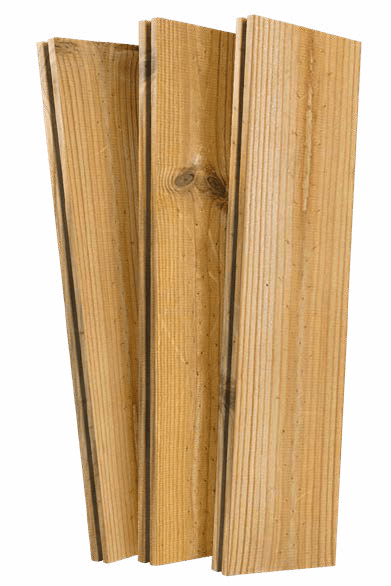
Bulletwood is a dense, durable hardwood suitable for decking and exterior applications. It is crucial to confirm the specific Bulletwood profile, width, and thickness you intend to use with your contractor. Different projects may call for different board dimensions. For instance, a residential deck might use standard 5/4-inch by 6-inch boards, while a heavy-traffic commercial application might specify thicker material.
Review the exact product specifications for Bulletwood decking from Lumber Plus. Confirm with your contractor that these specifications are compatible with the planned fastening system (e.g., hidden clips or face screws) and the substructure design. Any special milling requests, such as grooved edges for hidden fasteners, need to be clearly communicated and verified against available profiles.
Explore Bulletwood decking and exterior applications at our product page: [https://www.lumberplus.com/decking/hardwood/bulletwood](https://www.lumberplus.com/decking/hardwood/bulletwood)
Calculating Material Quantities with Your Contractor
While you may have an initial estimate, your contractor's experience is vital for a precise material takeoff. This involves more than just calculating the square footage. Factors like cut waste, board length availability, and specific layout demands (e.g., matching grain patterns) can influence the final quantity needed.
Consider a hypothetical 10-foot by 15-foot deck. The total area is 150 square feet. If you are using 5.5-inch wide (nominal 6-inch) Bulletwood boards, a simple area calculation would suggest approximately 327 linear feet of decking (150 sq ft / (5.5 in / 12 in/ft)). However, this doesn't account for waste. A common waste factor for decking can range from 10-20% depending on the complexity of the layout and board lengths. If your design includes a diagonal pattern or intricate cuts, this percentage may increase. Discuss these factors with your contractor to determine a realistic order quantity, including any allowance for future repairs or unexpected cuts. This also applies to fascia boards and stair treads.
For a simple 10-foot by 15-foot deck with boards running parallel to the 15-foot dimension, using 15-foot long boards would minimize cuts. If only 10-foot or 12-foot lengths are available, this significantly impacts the number of boards and potential waste. Your contractor can help optimize board length selection based on the layout and available material.
Fastening Systems and Substructure Compatibility
The choice of fastening system impacts both the aesthetics and durability of your Bulletwood deck. Discuss with your contractor whether a hidden fastening system or face-fastening will be used. Hidden fasteners provide a clean, unblemished surface but require specific board profiles (often grooved) and may influence board spacing. Face-fastening, while visible, offers a strong connection and might be preferred for certain structural requirements.
Regardless of the fastening method, ensure that the substructure (joists, beams) is robust enough to support the dense Bulletwood decking and any anticipated loads, such as heavy planters or outdoor furniture. Proper joist spacing is critical for Bulletwood, as its density and stability benefit from adequate support. Confirm that the contractor's planned joist spacing aligns with manufacturer recommendations for Bulletwood. Adequate ventilation beneath the deck is also important for the long-term performance of hardwood decking, a detail your contractor should integrate into the substructure design.
Explore related decking products for your project: [https://www.lumberplus.com/decking](https://www.lumberplus.com/decking) [https://www.lumberplus.com/decking/hardwood](https://www.lumberplus.com/decking/hardwood)
Finishing and Maintenance Planning
Bulletwood naturally weathers to a silver-gray patina if left untreated. If you prefer to maintain its rich, reddish-brown tones, discuss with your contractor the application of a UV-inhibiting oil finish. Agree on the timing of this application – whether it's done before installation, immediately after, or at a later stage. Different finishes have varying application requirements and timelines.
While Bulletwood is known for its durability, a maintenance plan is still important. Discuss with your contractor what initial cleaning or conditioning steps might be needed after installation and what ongoing maintenance they recommend. This includes understanding compatible cleaning products and the frequency of reapplication for any chosen finish. Clarifying these expectations upfront helps ensure the long-term beauty and performance of your deck.
Consider other hardwood options like Ipe: [https://www.lumberplus.com/decking/hardwood/ipe](https://www.lumberplus.com/decking/hardwood/ipe)
Logistics: Delivery, Storage, and Jobsite Access
Coordinate with your contractor regarding the delivery schedule for the Bulletwood decking. Hardwood decking often benefits from acclimation to the local climate before installation. Discuss the best place on the job site for material storage, ensuring it is protected from direct sunlight, rain, and ground moisture. Proper storage helps prevent warping or damage before installation.
Confirm that the delivery location has adequate access for the delivery truck and that there's a clear path to the storage area. If the project involves a second-story deck or difficult access, discuss how the material will be moved to the work area. These logistical details, often overlooked, can significantly impact project timelines and costs if not planned in advance.
Before you order
- Have you reviewed the final project drawings and dimensions with your contractor?
- Is the specific Bulletwood decking profile (width, thickness, edge detail) confirmed?
- Has the material quantity been jointly calculated, including waste factor and board lengths?
- Is the chosen fastening system compatible with the Bulletwood profile and substructure?
- Is the substructure design (joist spacing, ventilation) appropriate for Bulletwood?
- Have you discussed the desired finish (natural vs. oiled) and maintenance plan?
- Are delivery logistics, jobsite access, and material storage plans in place?
- Have you confirmed who is responsible for ordering, receiving, and inspecting materials?
Confirm installation details, approved uses and warranty terms in the current instructions for the exact product and profile. Your installer should verify the substrate, structure and applicable project requirements.
Questions to help you decide
Why is it important to involve my contractor in the material ordering process?
Involving your contractor ensures that the ordered materials align precisely with their installation methods, substructure requirements, and any site-specific challenges. They can provide valuable input on waste factors, optimal board lengths, and logistical considerations, ultimately preventing costly reorders or project delays.
What documentation should I share with my contractor before ordering Bulletwood decking?
Share all final design plans, detailed drawings with dimensions, and any specific product specifications or manufacturer recommendations you have for Bulletwood. Also, provide a clear list of your aesthetic preferences, such as board layout, desired finish, and edge details.
How do I account for waste when ordering Bulletwood decking?
The waste factor depends on the complexity of your deck design. For simple rectangular decks, a 10-15% waste factor is often recommended. For diagonal layouts, intricate patterns, or projects with many cuts, this can increase to 20% or more. Your contractor can help determine a precise waste allowance based on their experience and your specific project plans.
Ready to Order Your Bulletwood Decking?
Provide your project dimensions, exact profile, and ZIP code to request a material quote. We can confirm current availability and service options for your Bulletwood decking needs.
Request a material quote →