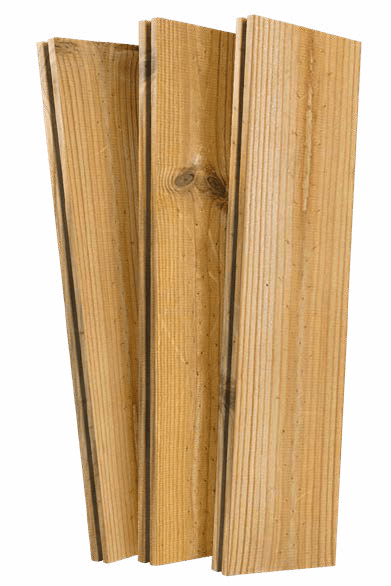
Understanding Bulletwood Characteristics for Coastal Exposure
Bulletwood is known for its high density and tight grain, which contribute to its natural resistance to decay and insect attack. These properties are beneficial in humid coastal climates where moisture can accelerate deterioration in less durable woods. Its inherent hardness also offers resistance to dents and scratches, which can be an advantage in high-traffic areas often found in vacation homes or active coastal residences.
However, even dense hardwoods like Bulletwood will react to the elements. UV exposure from intense coastal sun can cause the wood to gradually weather to a silver-gray patina if left untreated. While this is a natural process for many hardwoods, it's a visual consideration for those who prefer the original rich color. Salt spray introduces another variable, potentially leading to salt deposits or accelerated weathering on unprotected surfaces. The wood's dimensional stability, or its resistance to swelling and shrinking, is also a factor in areas with significant humidity fluctuations.
Evaluating Salt Exposure and Hardware Compatibility
Saltwater is corrosive to many common metals. When planning a Bulletwood deck in a coastal area, it is essential to select fasteners and hardware that are specifically rated for marine or saltwater environments. Stainless steel, particularly grades 304 or 316, is generally recommended for its corrosion resistance.
Using fasteners that are not adequately protected against salt corrosion can lead to premature failure, staining of the wood around the fastener points, and compromise the structural integrity of the deck over time. This applies to screws, hidden fastening clips, and any other metal components used in the deck's construction, including joist hangers or ledger board connectors. Always confirm the specific grade and suitability of all hardware with your supplier for coastal applications.
Installation Considerations for Coastal Climates
Proper installation is paramount for any decking project, but even more so in coastal settings. Adequate ventilation beneath the deck is crucial to prevent moisture buildup, which can contribute to wood movement and potential issues over time. Ensure sufficient spacing between deck boards to allow for drainage and air circulation, and to accommodate any minor seasonal expansion and contraction.
When installing Bulletwood, pre-drilling pilot holes is typically necessary due to its density, regardless of the fastening method. This prevents splitting and ensures a secure connection. For coastal projects, consider the orientation of the deck to prevailing winds and sun exposure, which can influence how the deck weathers and dries. Working with an experienced contractor familiar with hardwood decking and coastal construction practices can help address these nuances.
Maintenance Regimen for Coastal Bulletwood Decks
Maintaining a Bulletwood deck in a coastal environment involves a balance of cleaning and protection. Regular cleaning is important to remove salt residue, sand, and other debris that can accumulate. A simple wash with water and a mild, pH-neutral cleaner can help preserve the wood's appearance and prevent surface buildup.
If you wish to retain the original color of the Bulletwood, periodic application of a UV-inhibiting oil finish designed for hardwoods is recommended. These finishes help protect the wood from the sun's rays and can also offer some water repellency. Be aware that coastal exposure, particularly intense sun and salt, may necessitate more frequent reapplication of finishes compared to less harsh environments. If you prefer the silver-gray patina, less frequent finishing is needed, but regular cleaning remains important.
Hypothetical Project Example: Coastal Deck Renovation
Consider a homeowner renovating a 12-foot by 20-foot deck on a beachfront property. The existing deck frame is structurally sound but requires new decking. The homeowner desires the natural look of hardwood and is considering Bulletwood. The project's location means constant exposure to salt spray and strong sun.
For this 240 square foot deck, using 6-inch wide Bulletwood decking boards (actual width approximately 5.5 inches) and assuming standard 12-foot and 20-foot board lengths are available, an estimated quantity of boards would be calculated. For a 12-foot width, approximately 26 boards (12 feet * 12 inches/foot / 5.5 inches/board = 26.18 boards) would be needed per 20-foot run. Therefore, 26 boards x 20 feet = 520 linear feet of 6-inch wide boards. For an 8-foot by 5-foot section, assuming 12-foot boards are purchased, you would need 12 full 12-foot boards to cover an 8-foot width (8 feet * 12 inches/foot / 5.5 inches/board = 17.45 boards, so 18 boards for two 5-foot lengths, or 12 full 12-foot boards if cuts are optimized to use offcuts for the 5-foot dimension). This means 12 boards covering 5.5 inches x 12 = 66 inches (5.5 feet) of width, for a 12-foot length. For an 8-foot width, you would need 18 boards of 5-foot length (18 x 5 = 90 linear feet). If boards are purchased in 12-foot lengths, you would need 18 boards cut to 5 feet, resulting in significant offcuts. A more efficient plan might involve purchasing a mix of lengths. For the 12x20 foot deck, a total of 240 square feet / (5.5 inches * 1 foot/12 inches) = 523.6 linear feet. Rounding up to the nearest common length, and accounting for waste, a purchase of 550-600 linear feet of Bulletwood boards would be a starting point. This example highlights the need for precise measurements and careful material selection for coastal durability.
Before you order
- Assess specific salt exposure levels (direct spray vs. inland coastal breeze).
- Plan for adequate ventilation beneath the deck structure.
- Decide on desired weathering: silver-gray patina or maintained original color.
- Budget for regular cleaning and potential reapplication of UV-inhibiting oil finish.
- Verify local building codes and contractor experience with hardwood in coastal zones.
- Consider board spacing to accommodate potential moisture-related movement.
Confirm installation details, approved uses and warranty terms in the current instructions for the exact product and profile. Your installer should verify the substrate, structure and applicable project requirements.
Questions to help you decide
Does Bulletwood require special treatment for salt spray?
While Bulletwood is naturally dense, exposure to salt spray necessitates specific hardware choices, such as marine-grade stainless steel fasteners, to prevent corrosion. Regular cleaning to remove salt residue is also recommended, and applying a UV-inhibiting finish can help protect the wood's surface and color from the combined effects of sun and salt.
How often should I clean a Bulletwood deck in a coastal area?
The frequency of cleaning depends on the level of salt spray and debris accumulation. For direct beachfront properties, a monthly rinse may be beneficial. For properties slightly further inland, a quarterly or bi-annual cleaning with water and a mild, pH-neutral cleaner is often sufficient to remove salt, sand, and other environmental buildup.
Can Bulletwood withstand strong coastal winds?
Bulletwood's density contributes to its stability. When properly installed with appropriate fasteners and a structurally sound substructure, a Bulletwood deck is designed to withstand typical environmental forces, including strong winds. The key is ensuring the entire deck system, from foundation to fasteners, is engineered and installed to local building codes and coastal zone requirements.
Request a Material Quote for Your Coastal Deck Project
Planning a Bulletwood deck for your coastal home? Provide your project dimensions, desired Bulletwood profile, and ZIP code to request a material quote. Our team can help confirm current availability and service options for your location. Visit our contact us page to get started: /contact-us
Request a material quote →