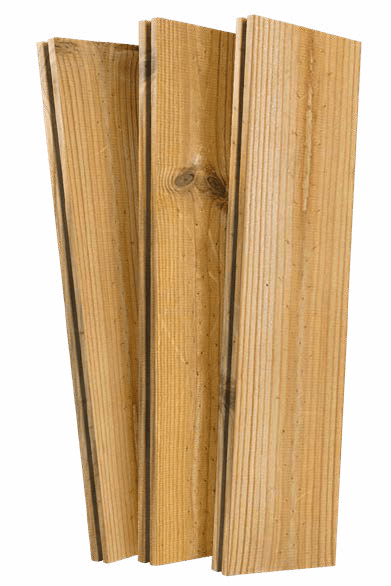
Understanding Bulletwood Decking Characteristics
Bulletwood is a tropical hardwood known for its exceptional density and natural resistance to decay and insects. Its inherent properties mean it weathers to a silver-gray patina if left untreated, or maintains its rich brown tones when regularly oiled. These characteristics, while beneficial for outdoor use, also dictate the type of cleaning products that are suitable.
The wood's tight grain and natural oils provide a protective barrier. Harsh chemicals can strip these oils, dry out the wood, or leave behind residues that attract dirt or promote mold growth. Therefore, any cleaning product must be gentle enough not to disrupt Bulletwood's natural composition, yet effective enough to remove common dirt, grime, and mildew.
Types of Cleaning Products and Potential Risks
Cleaning products generally fall into several categories, each with different implications for hardwood decking:
Detergent-based cleaners: Many general-purpose deck cleaners contain detergents. While often effective at removing surface dirt, some formulations can be too alkaline or acidic, potentially staining or etching the wood surface. Look for pH-neutral options.
Oxygenated bleach (sodium percarbonate): This type of cleaner is often recommended for decks as it brightens wood and removes mildew without harsh chlorine. It typically works by bubbling to lift stains and dirt. It is generally considered safer for hardwoods than chlorine bleach, but always requires thorough rinsing.
Chlorine bleach: Avoid chlorine bleach on Bulletwood. It can lighten the wood unevenly, break down wood fibers over time, and leave a residue that can be harmful to surrounding plants. It is also corrosive to metal fasteners.
Pressure washing: While not a cleaning product, high-pressure washing can severely damage Bulletwood. The intense force can erode the wood fibers, leaving a fuzzy or splintered surface. If pressure washing is used, it should be at a very low setting (under 1000 PSI) with a wide fan tip, held at a distance, and only for rinsing after a gentle cleaning agent.
Manufacturer Guidance: Your Primary Resource
The most reliable source for cleaning product compatibility is the manufacturer's care guide for Bulletwood decking. This document will often list approved cleaning agents, recommended methods, and specific products to avoid. Always consult this guide first.
If no specific product is listed, the guide may provide general guidelines, such as recommending pH-neutral cleaners or advising against harsh chemicals. Follow these instructions precisely. Deviating from manufacturer recommendations can void any applicable warranties and potentially lead to irreversible damage to your decking.
Performing a Patch Test: A Critical Step
Even with manufacturer recommendations, or when using a product broadly considered safe for hardwoods, always perform a patch test before applying it to your entire deck. This step is crucial to confirm compatibility with your specific Bulletwood batch and any existing finishes.
Select an inconspicuous area of the deck, such as under a planter, behind a grill, or on an offcut piece if available. Clean a small section (e.g., 1 square foot) according to the product's instructions. Allow the area to dry completely, which may take several hours or even a full day depending on humidity and temperature. Observe for any adverse reactions such as discoloration, softening of the wood, raised grain, or sticky residue. If the test area looks good, proceed with cleaning the rest of your deck.
Worked Example: Testing a New Deck Cleaner
Imagine you have a 12-foot by 16-foot Bulletwood deck and want to try a new oxygenated bleach-based deck cleaner. The manufacturer's guide for your Bulletwood recommends 'pH-neutral or oxygenated bleach cleaners, thoroughly rinsed, avoiding chlorine bleach.'
First, locate an inconspicuous area, perhaps a corner of the deck under a rarely moved bench. Mix the oxygenated bleach cleaner according to the product's instructions, ensuring proper dilution.
Apply the solution to a small 1-foot by 1-foot section using a soft-bristle brush, gently scrubbing. Let it dwell for the recommended time (e.g., 10-15 minutes). Rinse the area thoroughly with a garden hose, ensuring all residue is removed.
Allow the test patch to dry completely. After 24 hours, inspect the area. Does the wood appear discolored? Is the surface rough or fuzzy? Is there any sticky residue? If the test area looks clean, bright, and undamaged, you can proceed with cleaning the rest of your deck following the same method. If there are any negative changes, discontinue use and explore alternative cleaning methods or products.
Before you order
- Consult the Bulletwood decking manufacturer's care guide for specific cleaning product recommendations and exclusions.
- Identify the type of cleaning product (detergent, oxygenated bleach, etc.) and understand its potential impact on hardwood.
- Avoid chlorine bleach and high-pressure washing settings on Bulletwood.
- Perform a patch test on an inconspicuous area of your deck with any new cleaning product.
- Observe the patch test area for at least 24 hours for discoloration, surface damage, or residue.
- Ensure thorough rinsing of all cleaning agents to prevent residue buildup.
Confirm installation details, approved uses and warranty terms in the current instructions for the exact product and profile. Your installer should verify the substrate, structure and applicable project requirements.
Questions to help you decide
Can I use a household all-purpose cleaner on my Bulletwood deck?
Most household all-purpose cleaners are not formulated for exterior hardwood decking and may contain harsh chemicals or leave residues that can damage Bulletwood or promote mildew. Always refer to the manufacturer's specific care guide for your Bulletwood decking. If you must use a general cleaner, ensure it is pH-neutral and always perform a patch test first.
What should I do if a cleaning product discolors my Bulletwood deck?
If a cleaning product causes discoloration, stop using it immediately. Try rinsing the affected area thoroughly with clean water. For minor discoloration, allowing the deck to weather naturally or applying a compatible deck brightener (after a patch test) might help. For more severe issues, consult a professional deck restoration specialist. Document the product used and the damage for potential claims if the product was marketed as suitable for Bulletwood.
How often should I clean my Bulletwood deck?
The frequency of cleaning depends on your local climate, exposure to elements, and amount of foot traffic. Generally, a thorough cleaning once or twice a year (e.g., in spring and fall) is sufficient to remove dirt, pollen, and mildew. Regular sweeping and occasional rinsing with water can help maintain its appearance between deep cleans.
Request a Material Quote for Bulletwood Decking
Planning a new deck or renovating an existing one? Contact us with your project dimensions, desired Bulletwood profile, and ZIP code to request a material quote. We can also confirm current availability and service options for your area.
Request a material quote →