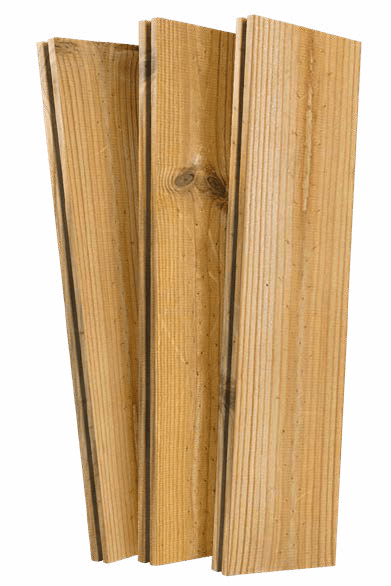
Understanding Bulletwood Deck Board Characteristics
Bulletwood, a dense tropical hardwood, is valued for its durability in exterior applications. It is typically supplied in fixed lengths, and understanding these standard lengths is crucial for efficient project planning. Each board is a solid piece of wood, and its inherent characteristics, like grain direction and potential for natural variation, influence how it should be laid out.
The specific profiles and available lengths of Bulletwood decking can vary. Before finalizing any design, it is important to confirm current availability and exact dimensions with Lumber Plus. This ensures your planning aligns with the materials you can acquire.
The Importance of a Cut List
A detailed cut list is an essential tool for managing Bulletwood decking board lengths. It goes beyond simply ordering total linear footage by specifying the exact length of each board required for your project. This approach allows you to optimize material usage, reduce waste from offcuts, and pre-plan seam locations for a balanced appearance.
Creating a cut list involves measuring your deck area precisely, sketching out potential board layouts, and then calculating the length of each piece needed. This process helps identify where boards will need to be cut and where seams will fall.
Planning Seam Placement for Durability and Aesthetics
Seams, or butt joints, are unavoidable on any deck larger than the longest available board length. Strategic placement of these seams is vital. For Bulletwood decking, seams should always fall directly over a joist to ensure proper support. This prevents board ends from flexing or becoming unstable.
Consider staggering your seams in a non-repeating pattern for a more natural and less noticeable look. Avoid lining up multiple seams in a straight line across the deck, as this can create a visual distraction and potentially a weak point. A random or offset pattern generally leads to a more appealing finish. For decks with picture frame borders, the border itself can often conceal the ends of the field boards, allowing for simpler seam planning within the main deck area.
Worked Example: Calculating Bulletwood Board Lengths for a 12x16 Foot Deck
Let's consider a hypothetical deck measuring 12 feet wide by 16 feet long. For this example, we'll assume Bulletwood decking is available in standard lengths of 8, 10, 12, 14, and 16 feet.
Our goal is to cover the 16-foot length with minimal waste and staggered seams. Using 16-foot boards for the entire length would be ideal for minimizing seams, but may not be practical for the entire deck if other lengths are more efficient for specific rows or if 16-foot availability is limited. For a more varied look, we could combine different lengths.
Option 1: Maximize 16-foot boards. However, to create a staggered pattern and use shorter offcuts, we might alternate. For example, one row could use a full 16-foot board.
Option 2: Staggered seams with mixed lengths. For a 16-foot length, a common approach is to use a 10-foot board followed by a 6-foot cut from a 12-foot board, or an 8-foot board followed by another 8-foot board. Let's aim for an average length of 12 feet, which is often a cost-effective purchase.
To cover the 16-foot length, we could use: Row A: One 10-foot board + One 6-foot board (cut from a 12-foot board, leaving a 6-foot offcut). Row B: One 8-foot board + One 8-foot board. Row C: One 12-foot board + One 4-foot board (cut from an 8-foot board, leaving a 4-foot offcut).
This pattern staggers the seams and uses a mix of standard lengths. The 6-foot offcut from the 12-foot board in Row A could potentially be used as the 6-foot piece in a subsequent row, and the 4-foot offcut from the 8-foot board in Row C could be used elsewhere if a 4-foot piece is needed. This requires careful planning of subsequent rows to utilize offcuts.
Multiply this by the number of 'rows' of length combinations to get your total board count. Always add 10-15% for cuts, waste, and future repairs.
Remember, this is a hypothetical example. Always confirm the exact available lengths of Bulletwood decking from Lumber Plus and adjust your cut list accordingly. Consider the joist spacing for seam placement and plan for the specific dimensions of your project.
Considerations for Coastal and Winter Projects
In coastal environments, the consistent exposure to moisture and salt can affect wood. While Bulletwood is a dense and durable hardwood, proper installation and seam planning remain critical. Ensure all end grains at seams are adequately sealed if the manufacturer recommends it for your specific climate. The stability provided by proper joist support at seams is especially important where environmental stresses are higher.
For projects exposed to winter conditions, the expansion and contraction of wood due to temperature and humidity fluctuations need to be managed. Proper gapping between boards is essential, and well-supported seams prevent undue stress on board ends. Planning for efficient drainage around seams can also help prevent moisture accumulation that could lead to issues over time. Confirm specific manufacturer recommendations for gapping in your climate zone.
Complementary Products for Your Deck Project
Beyond the decking boards themselves, consider other components that contribute to a complete and durable deck. High-quality fasteners, whether hidden or face-fastened, are crucial for securing your Bulletwood boards. Explore options like specialized deck screws or hidden fastening systems designed for hardwood.
For the sub-structure, durable joist materials are essential to provide the necessary support for your Bulletwood decking. Finally, consider railing systems that complement the rich tones of Bulletwood, such as metal balusters or other hardwood profiles. You can explore a range of decking options, including other hardwoods like Ipe, composite, and PVC decking, to compare with Bulletwood.
source_refs_links_only_here_do_not_replicate_in_output
https://www.lumberplus.com/decking
https://www.lumberplus.com/decking/hardwood
https://www.lumberplus.com/decking/hardwood/ipe
https://www.lumberplus.com/decking/composite
https://www.lumberplus.com/decking/pvc
Before you order
- Confirm actual available Bulletwood board lengths from Lumber Plus.
- Measure your deck dimensions precisely to the nearest inch.
- Sketch your deck layout, including joist locations.
- Plan seam locations to fall directly over joists, staggering them for visual appeal.
- Create a detailed cut list specifying the length of each board needed.
- Calculate total linear footage and add 10-15% for waste and cuts.
- Consider the aesthetic impact of your chosen seam pattern.
- Review fastening options and their compatibility with Bulletwood and your chosen layout.
- Account for any special considerations for coastal or winter climates in your installation plan.
Confirm installation details, approved uses and warranty terms in the current instructions for the exact product and profile. Your installer should verify the substrate, structure and applicable project requirements.
Questions to help you decide
Why is it important to confirm available board lengths?
Confirming available board lengths is crucial because it directly impacts your cut list and waste calculations. If your design relies on a specific length that isn't available, you'll need to re-plan your layout to use the lengths that are stocked, potentially altering seam patterns and material quantities.
Can I use end-matched Bulletwood boards for seamless joints?
Bulletwood decking is typically supplied as square-edged or grooved boards without end-matching. This means that butt joints (seams) between board ends will be visible and require support directly over a joist. Always verify the specific profile of Bulletwood decking you are considering with Lumber Plus.
How much waste should I factor in for Bulletwood decking lengths?
It is generally recommended to add 10-15% to your total linear footage calculation for cuts, mistakes, and future repairs. For complex layouts or projects with many short cuts, a higher waste factor may be appropriate. A detailed cut list helps to refine this estimate.
Ready to Plan Your Bulletwood Deck?
Request a material quote with your project dimensions, desired Bulletwood profile, and ZIP code to confirm current availability and service options for your decking project.
Request a material quote →