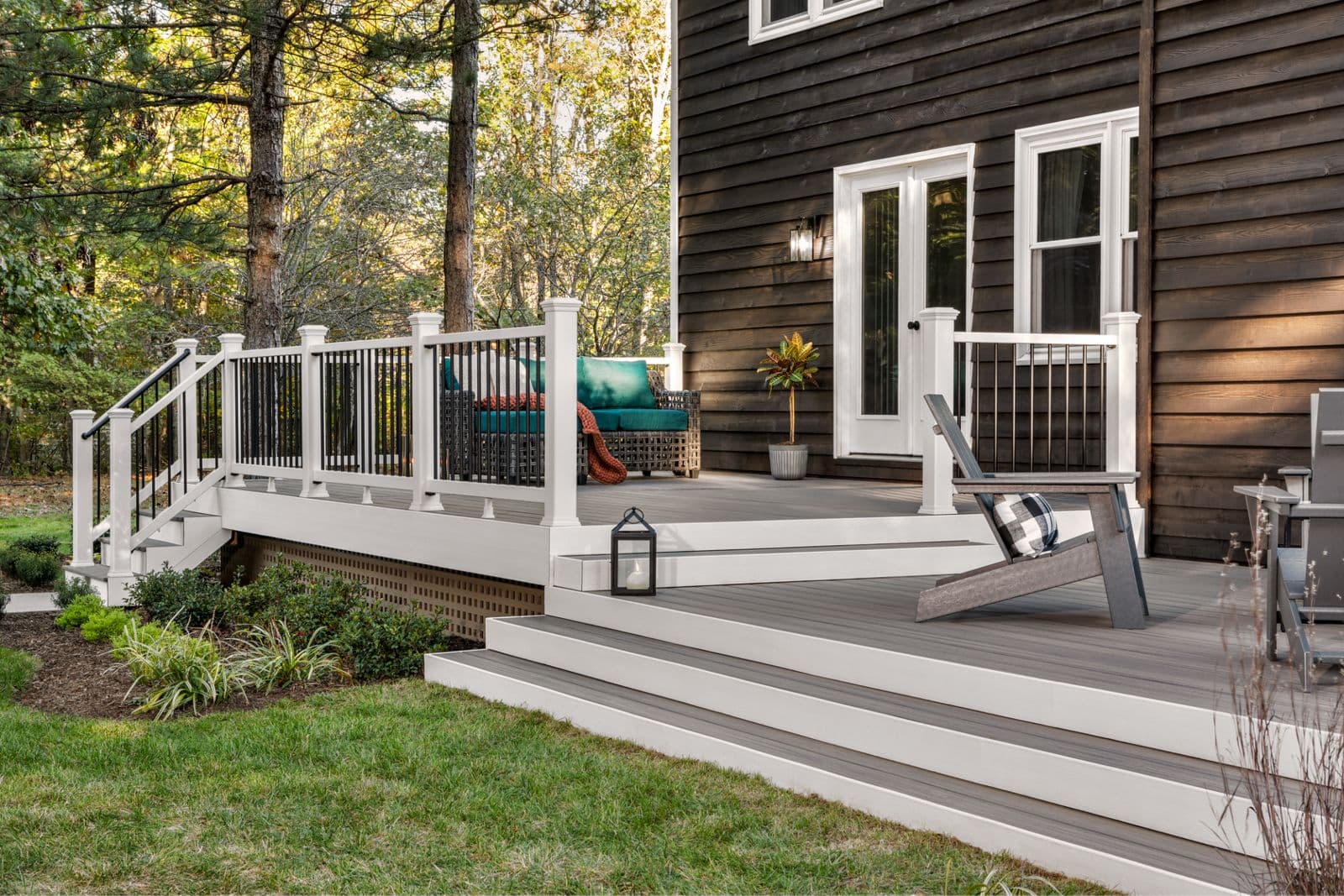
Inspect the Existing Deck Frame
The foundation of your new Trex deck will be the existing frame. A critical first step is a detailed inspection of all structural components. Look for any signs of rot, insect damage, cracks, or excessive warping in the joists, beams, posts, and ledger board. Even minor damage to a single component can compromise the integrity of the entire structure and may require repair or replacement.
Pay particular attention to areas where wood meets the ground or is consistently exposed to moisture, such as post bases and joist ends. Check the ledger board's connection to your house; it should be securely fastened and properly flashed to prevent water intrusion. Any signs of structural weakness mean the frame may not be able to safely support a new deck surface, regardless of the decking material chosen.
If you observe significant damage or have concerns about structural integrity, consulting with a qualified builder or structural engineer is recommended before proceeding. They can provide an expert assessment and recommend necessary repairs or a complete frame replacement.
Evaluate Joist Spacing for Trex Decking
Trex composite decking requires specific joist spacing to ensure proper support and prevent sagging or movement. While traditional wood decks might have been built with wider joist spacing, composite materials often necessitate tighter spans. For diagonal installations, or if you plan to use a different board profile, consult the specific Trex product documentation, as tighter spacing may be required.
Measure the on-center distance between your existing joists. If your current joist spacing exceeds the recommended maximum for Trex decking, you will need to add additional blocking or sister new joists alongside the existing ones. This modification ensures the new deck surface has adequate support and maintains its appearance over time. Failing to meet the required joist spacing can lead to an unstable deck surface and may void any product warranty.
Consider the span of your joists as well. Longer joist spans may require larger joist dimensions or closer spacing to meet load requirements, especially if the original deck was designed for lighter loads or different decking materials. This is another area where professional advice can be beneficial.
Check Deck Height and Clearance
When planning a renovation, assess the finished height of your existing deck relative to entryways, adjacent landscaping, and any desired railings. Trex decking boards typically have a profile of 1 inch by 5.5 inches. If your existing decking was thicker, replacing it with Trex might result in a slightly lower finished deck surface. Conversely, if your current decking was thinner, the new Trex surface might sit higher.
Consider the implications of any height changes on door clearances, stair risers, and railing heights. Building codes often specify minimum and maximum riser heights for stairs and minimum railing heights for safety. Ensure that your renovation plans will comply with these requirements. If the existing frame results in an unsuitable finished height, you may need to adjust the ledger board or support posts, which can be a more involved structural modification.
Ventilation and Drainage Considerations
Proper ventilation and drainage are crucial for the longevity of both your deck frame and the new Trex decking. An existing deck frame might have been built without optimal airflow, especially if it was previously covered by solid decking or enclosed. Ensure there is sufficient space beneath the deck and between joists for air to circulate freely.
Poor ventilation can lead to moisture buildup, which can accelerate rot in wood frames and potentially affect the performance of composite decking. Check for any areas where water pools or does not drain effectively. Addressing drainage issues before installing new decking is essential to prevent future problems. This might involve grading the ground beneath the deck or installing a drainage system.
For ground-level decks, ensure the ground beneath is sloped away from the house and that no debris or vegetation impedes airflow. Adequate ventilation helps maintain a stable environment for the deck structure.
Worked Example: Assessing a 10x12 Foot Deck Frame
Imagine you have an existing 10-foot by 12-foot pressure-treated wood deck frame and want to install Trex Enhance Naturals decking. Let's walk through the assessment:
You find some minor surface mold on a few joists but no significant rot or insect damage. The ledger board is securely fastened. *Decision: Frame appears sound for continued use, but surface mold should be cleaned before installing new decking.*
3. **Deck Height:** Your existing wood decking was 1.5 inches thick. Trex Enhance Naturals boards are 1 inch thick. This means the new deck surface will sit 0.5 inches lower. You check your door threshold and find you have ample clearance. The stairs have six risers, and a 0.5-inch change distributed across them will be negligible. *Decision: No height adjustments needed for the frame.*
4. **Ventilation/Drainage:** You notice that one corner of the deck tends to collect rainwater beneath it. The area is slightly uneven. *Decision: Regrade the soil beneath that corner to promote drainage away from the house. Ensure no dense shrubs are blocking airflow around the perimeter.*
This example highlights that even a seemingly solid frame may require modifications to meet the specific requirements of Trex decking, particularly regarding joist spacing. Accounting for these modifications in your budget and timeline is crucial.
Before you order
- Inspect all structural components (joists, beams, posts, ledger) for rot, insect damage, or cracks.
- Assess current deck height relative to entryways, stairs, and railings; plan for any necessary adjustments.
- Check for adequate ventilation beneath the deck and ensure proper drainage away from the structure.
- Verify that the existing frame can support the new decking and anticipated loads.
- Budget for any necessary frame repairs, modifications, or a complete rebuild.
- Consider the overall aesthetic and whether the existing frame dimensions align with your desired Trex decking layout.
- Consult local building codes for any permit requirements or structural standards for renovations.
Confirm installation details, approved uses and warranty terms in the current instructions for the exact product and profile. Your installer should verify the substrate, structure and applicable project requirements.
Questions to help you decide
Can I use my existing deck railing with Trex decking?
While you can often reuse your existing railing if it is structurally sound and meets current safety codes, consider if it complements the new aesthetic of your Trex deck. Trex offers a range of composite railing systems that are designed to coordinate with their decking lines, providing a cohesive look and consistent low-maintenance performance. If you reuse your existing railing, ensure its attachment points are still secure and compatible with the new decking surface.
What if my existing deck frame is not suitable for Trex decking?
If your existing deck frame is significantly damaged, has improper joist spacing, or does not meet structural requirements, you have a few options. You can undertake repairs and modifications, such as sistering joists or reinforcing beams, to bring it up to standard. In some cases, a complete tear-down and rebuild of the frame may be the most practical and safest solution. Always prioritize structural integrity and safety when making these decisions.
Do I need to clean my old deck frame before installing Trex decking?
Yes, it is highly recommended to clean your existing deck frame thoroughly before installing new Trex decking. Remove any dirt, debris, leaves, and mold. A clean frame helps to prevent moisture buildup and can improve the longevity of the entire deck structure. Inspect the cleaned frame again for any hidden issues that might have been obscured by grime.
Start Your Trex Deck Renovation Project
Ready to transform your outdoor space? Request a material quote for Trex decking. Provide your project dimensions, desired Trex profile, and ZIP code to confirm current availability and service options for your renovation.
Request a material quote →