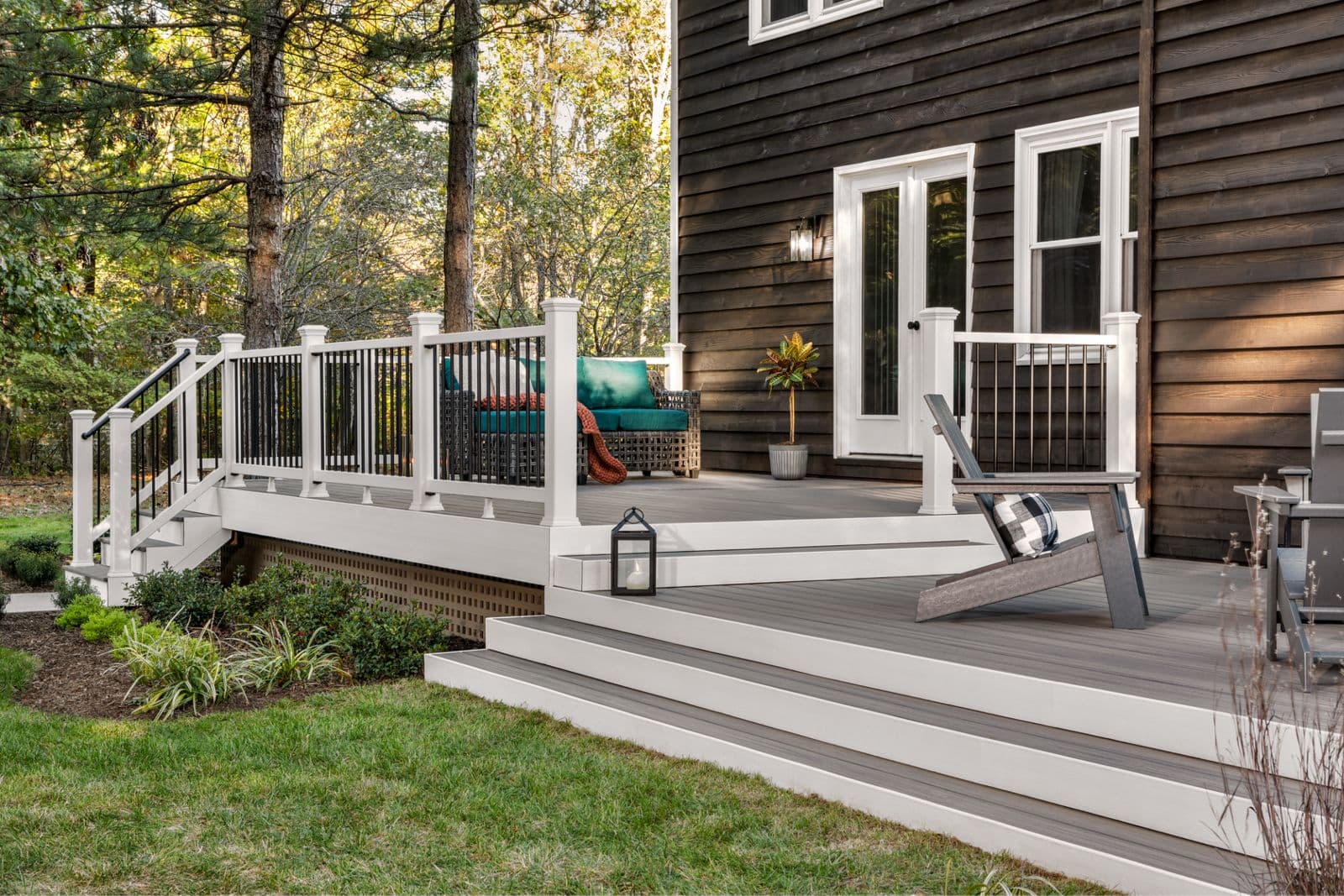
Understanding Trex Decking in Full Sun
Trex composite decking is engineered from 95% recycled wood fiber and plastic film, encapsulated in a protective shell designed for durability. This shell is formulated to resist fading and staining, a significant advantage over traditional wood in sunny environments. However, like most outdoor materials, Trex decking can absorb heat from direct sunlight, which can affect the surface temperature.
The degree to which a Trex board heats up depends on several factors, including the specific product line, board color, and local climate conditions. While Trex is designed for outdoor living, understanding these nuances helps manage expectations and plan for comfort.
Color Choice and Heat Absorption
A critical factor in how a deck performs in full sun is its color. Lighter colors tend to reflect more sunlight, absorbing less heat and generally resulting in a cooler surface temperature. Conversely, darker colors absorb more solar radiation, which can lead to a warmer deck surface under direct sun.
Trex offers a range of colors across its lines, including lighter options that may be more suitable for full-sun applications where surface temperature is a concern. For instance, colors like "Clam Shell" (Enhance Basics), "Toasted Sand" (Enhance Naturals), or "Pebble Grey" (Select Earth Tones) could be considered. For a tropical aesthetic, "Island Mist" (Transcend Tropical) offers a lighter, cooler-toned option. While the protective cap helps maintain color vibrancy, the inherent thermal properties of the pigment will influence heat absorption.
Digital swatches provide a starting point, but physical samples are essential to accurately assess color and potential heat absorption. Place samples in your intended deck area to observe how they appear and feel throughout the day under varying light conditions.
Considering Trex Decking Lines for Sunny Spaces
All Trex decking lines feature a recycled core and a low-maintenance, three-sided protective shell. The primary differences lie in the finish depth, color range, and aesthetic. For full-sun applications, the choice of line often comes down to desired appearance and available color palette.
The Enhance lines, such as Enhance Basics and Enhance Naturals, offer traditional and multi-tonal colors. Select Earth Tones provides hallmark performance with nature-inspired hues. The flagship Transcend lines, including Transcend Earth Tones and Transcend Tropical, offer elevated aesthetics and a broad range of vibrant and luxurious finishes.
While all lines are built for outdoor exposure, focusing on lighter color options within any chosen line can contribute to a more comfortable surface temperature in direct sunlight.
Explore Trex lines: Enhance Basics, Enhance Naturals, Select Earth Tones, Transcend Earth Tones, Transcend Tropical.
Shade Planning for Sun-Exposed Decks
Even with optimal material and color selection, incorporating shade elements into your deck design can significantly enhance comfort in full sun. Consider permanent or temporary shade structures such as pergolas, awnings, or strategically placed umbrellas. These can reduce direct sun exposure on the deck surface, lowering its temperature and making the space more enjoyable during peak sun hours.
Shade planning also extends to landscaping. Deciduous trees can provide natural shade in summer and allow sun exposure in winter. Planning for shade early in the design process ensures a more comfortable and versatile outdoor living area.
Hypothetical Project Example: A Backyard Deck in Full Sun
Imagine a hypothetical 12-foot by 16-foot backyard deck in a location that receives intense afternoon sun. The homeowners prioritize a comfortable surface for bare feet and a natural wood aesthetic. After reviewing options, they consider Trex Enhance Naturals in "Toasted Sand" and Trex Select Earth Tones in "Pebble Grey."
To make a decision, they request physical samples of both colors. They place these samples on the proposed deck area for a few days, observing them at different times, especially during peak afternoon sun. They notice that while both colors are lighter, the "Pebble Grey" feels slightly cooler to the touch after several hours of direct sun compared to "Toasted Sand."
They also decide to incorporate a retractable awning over a portion of the deck to provide flexible shade during the hottest parts of the day, allowing them to enjoy the space regardless of sun intensity. This combination of a lighter decking color and a planned shade structure helps them create a comfortable and inviting outdoor area.
For a 12-foot by 16-foot deck, which is 192 square feet, using 12-foot Trex boards (1 inch x 5.5 inches nominal profile), the purchase quantity would be calculated based on the layout, accounting for cuts and waste. Always confirm exact dimensions and a detailed cut plan for your project to determine precise material needs.
Ordering and Installation Considerations
When ordering Trex decking for a sun-exposed area, confirm the exact profile (grooved or square-edge) and desired lengths (12, 16, or 20 ft) to minimize waste. Trex boards are installed with either hidden clips or face screws. Proper board spacing, as specified by the manufacturer, is crucial for expansion and contraction, especially in areas with significant temperature fluctuations.
It is recommended to follow the manufacturer's installation guidelines precisely to ensure optimal performance and to maintain the warranty. Adequate ventilation beneath the deck can also help in managing temperature, particularly for low-to-grade decks.
Always confirm current availability and service options with your supplier when planning your project.
Before you order
- Review available Trex decking lines and their color palettes.
- Prioritize lighter color options for reduced heat absorption in full sun.
- Request physical samples of preferred colors and observe them on-site.
- Consider incorporating permanent or temporary shade structures.
- Plan for proper board spacing and ventilation during installation.
- Confirm exact product specifications and installation instructions.
- Consult with a professional for a detailed material quote and availability.
Confirm installation details, approved uses and warranty terms in the current instructions for the exact product and profile. Your installer should verify the substrate, structure and applicable project requirements.
Questions to help you decide
Does Trex decking get hot in the sun?
Like most outdoor surfaces, Trex composite decking can absorb heat from direct sunlight. Darker colors tend to absorb more heat than lighter colors, which can result in a warmer surface temperature. The specific heat absorption depends on the color, product line, and local climate conditions. Requesting physical samples and observing them in your specific sun exposure can help you gauge surface temperature.
Which Trex colors are best for full sun?
Lighter Trex colors are generally recommended for full-sun applications as they reflect more sunlight and absorb less heat, potentially leading to a cooler surface. Examples of lighter options include "Clam Shell," "Toasted Sand," "Pebble Grey," and "Island Mist." It's always best to view physical samples in your project's environment.
How can I make my Trex deck more comfortable in full sun?
Beyond choosing lighter decking colors, incorporating shade elements is highly effective. Consider installing pergolas, awnings, or large umbrellas to provide relief from direct sunlight. Strategic landscaping with trees can also offer natural shade. Ensuring proper ventilation beneath the deck, as per installation guidelines, can also contribute to overall temperature management.
Ready to Plan Your Sun-Exposed Trex Deck?
Request a material quote for your project. Provide your project dimensions, desired Trex profile, color preferences, and ZIP code to confirm current availability and service options. We can help you select the best Trex decking for your sun-drenched outdoor space.
Request a material quote →