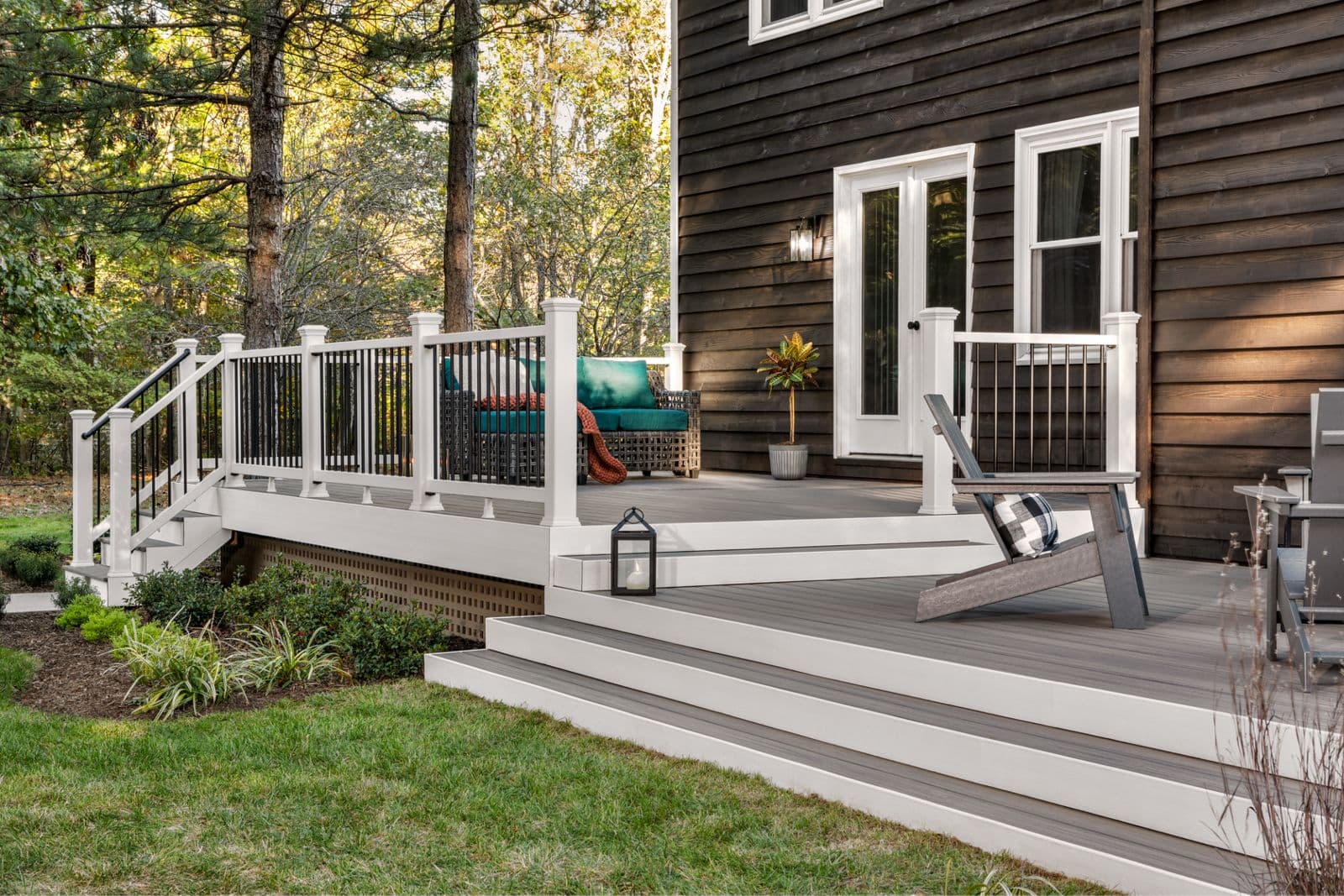
Defining Your Gathering Zones
Before selecting colors or board profiles, identify the primary activities your backyard deck needs to support. A successful gathering space often incorporates distinct zones, even if they are subtly defined. Common zones include:
The Cooking Zone: This area, often near the house or an outdoor kitchen, requires durability and easy cleanup. Consider proximity to utilities and clear pathways for serving.
The Dining Zone: A dedicated space for a table and chairs, ideally with some shade or access to it. This zone needs enough clear area for chairs to be pulled out comfortably without hitting railings or other furniture.
The Lounging Zone: An area for comfortable seating, perhaps around a fire pit or with a view. This zone benefits from a sense of enclosure or separation to encourage relaxation.
The Transition Zone: Pathways and open areas that connect the other zones, ensuring smooth movement and preventing bottlenecks. These are often the 'circulation' paths that guide guests through the space.
By mapping these zones onto your existing backyard footprint, you can begin to visualize the deck's shape and size, and how Trex decking can define each area.
Trex Lines: Balancing Aesthetics and Performance for Each Zone
Trex offers several decking lines, each with distinct aesthetics and performance characteristics, all sharing a 95% recycled core and a protective shell. Your choice can influence the overall feel and durability tailored to specific zones.
Trex Enhance® Basics and Enhance® Naturals provide an entry point with traditional and wood-grain appearances. Enhance Basics comes in three traditional colors (Clam Shell, Beach Dune, Saddle), while Enhance Naturals offers four multi-tonal colors inspired by nature (Foggy Wharf, Rocky Harbor, Toasted Sand, Coastal Bluff). These are suitable for general gathering areas where a classic look is desired.
Trex Select® Earth Tones features a high-performance shell and nature-inspired colors (Pebble Grey, Winchester Grey, Saddle, Woodland Brown, Madeira). This line offers a balance of durability and aesthetic appeal for mid-range projects, suitable for dining or lounging zones that see regular use.
Trex Transcend® Earth Tones and Transcend® Tropical represent the flagship lines, known for elevated aesthetics and high performance. Transcend Earth Tones offers three earth-inspired colors (Gravel Path, Rope Swing, Vintage Lantern), while Transcend Tropical features vibrant, luxurious finishes (Havana Gold, Island Mist, Tiki Torch, Spiced Rum, Lava Rock). These lines are ideal for high-traffic cooking zones or central gathering areas where maximum durability and a premium appearance are priorities. All Trex lines are capped on three sides and designed for low maintenance.
Color and Finish Selection: Setting the Mood
The color and finish of your Trex decking significantly impact the ambiance of your gathering space. Lighter colors can make a space feel larger and cooler underfoot, while darker tones can add a sense of intimacy and sophistication. Trex offers a wide palette:
Earth Tones: Colors like Trex Select® Pebble Grey, Woodland Brown, or Trex Transcend® Vintage Lantern offer a grounding, natural feel that blends well with landscaping.
Tropical Hues: Trex Transcend® Tropical colors such as Havana Gold, Island Mist, or Lava Rock provide a richer, more vibrant look, reminiscent of exotic hardwoods.
Consider how different colors might define your zones. A darker shade for the cooking area might help mask spills, while a lighter, more inviting tone could be used for the lounging area. Always review physical samples before making a final decision, as digital swatches can vary.
Deck Board Layout: Guiding Movement and Defining Space
The orientation of your Trex deck boards can subtly direct traffic and delineate gathering zones. Common layout strategies include:
Parallel Layout: Boards run parallel to the house or a dominant feature. This creates a clean, linear look and can make a narrow deck appear longer.
Diagonal Layout: Boards run at a 45-degree angle. This can add visual interest, make a small deck feel more expansive, and can be used to visually separate zones.
Picture Frame Border: A border of boards running perpendicular to the main decking direction. This creates a framed effect, perfect for defining the perimeter of the deck or highlighting a specific zone, such as a dining area.
Mixed Layouts: Combining different board orientations to clearly define zones. For example, a main parallel layout for the general gathering area, with a diagonal insert for the lounging space, or a picture frame around the entire deck.
When planning, consider the standard Trex board profile of 1" x 5.5" and available lengths of 12, 16, and 20 feet. This will influence how seams fall and how many cuts are needed to achieve your desired layout, especially for complex patterns.
Worked Example: A Multi-Zone Deck for Gathering
Let's consider a hypothetical backyard measuring 20 feet by 30 feet, where the homeowner wants a multi-functional deck. The goal is a primary gathering deck (15 ft x 20 ft) with a distinct dining area and a separate, smaller lounging platform (8 ft x 10 ft) connected by a short walkway.
Main Deck (15 ft x 20 ft): This will be the primary social hub. We'll use Trex Transcend® Tropical in "Island Mist" for its premium look and durability. Boards will be laid parallel to the house (the 20-foot dimension). For the main area, this would require 15 ft / 5.5 inches per board = approximately 32.7 boards across the 15-foot width. With 20-foot lengths, this means 33 boards of 20 ft each for the primary surface. A picture frame border in "Lava Rock" could define the perimeter, using 20 ft + 15 ft + 20 ft + 15 ft = 70 linear feet of border boards.
Dining Nook (integrated within the main deck, 10 ft x 10 ft): Within the main deck, the dining area will be subtly defined by a change in board direction. Instead of parallel, the boards here could run perpendicular (parallel to the 15-foot side of the deck). This visual shift helps delineate the space for the dining table.
Lounging Platform (8 ft x 10 ft): This detached platform, positioned further into the yard, will use Trex Enhance® Naturals in "Coastal Bluff" for a softer, more relaxed feel. Boards will be laid diagonally (45 degrees) to add visual interest and distinguish it from the main deck. An 8 ft x 10 ft diagonal layout will require careful planning for cuts and waste, but will create a unique aesthetic for a quieter gathering spot.
Connecting Walkway (3 ft x 5 ft): A short, straight walkway using the same "Island Mist" as the main deck, but laid perpendicular to the main deck boards, will link the two platforms. This creates a clear path and maintains material consistency.
This approach uses different Trex lines and board orientations to create distinct, functional gathering zones within a cohesive backyard design, addressing both aesthetic preference and practical use.
Before you order
- Identify all desired gathering activities (cooking, dining, lounging, play).
- Sketch out approximate locations and sizes for each functional zone on your backyard plan.
- Consider the flow of movement between zones and the house.
- Evaluate Trex decking lines (Enhance, Select, Transcend) based on desired durability and aesthetic for each zone.
- Select primary and accent colors that complement your home and landscape.
- Choose board layout patterns (parallel, diagonal, picture frame) to define zones and guide traffic.
- Measure your proposed deck dimensions accurately, accounting for board widths and lengths.
- Plan for any necessary fascias or trim boards to finish the edges of your deck.
Confirm installation details, approved uses and warranty terms in the current instructions for the exact product and profile. Your installer should verify the substrate, structure and applicable project requirements.
Questions to help you decide
Can I use different Trex colors or lines on the same deck?
Yes, using different Trex colors or even different lines (e.g., Transcend for high-traffic and Enhance for lower-traffic areas) can be an effective way to define distinct gathering zones on your deck. Ensure that the chosen lines are compatible in terms of height and fastening systems if they are to be directly adjacent. Always check product specifications and consult with your supplier for compatibility details.
How do I calculate the number of Trex boards needed for a multi-zone deck?
Calculate the area of each distinct zone separately, then determine the number of boards based on the chosen board width (5.5 inches) and length (12, 16, or 20 feet) for that zone's layout. For layouts with diagonal cuts or complex borders, factor in extra material for waste. It's often recommended to order 10-15% extra material to account for cuts, mistakes, and future repairs. For precise quantities, a detailed cut plan is recommended.
What maintenance does Trex decking require for a gathering space?
Trex composite decking is designed for low maintenance, requiring no staining, sealing, or painting. For a gathering space, routine cleaning with soap and water is typically sufficient to remove dirt, food spills, and other debris that can accumulate. Prompt cleanup of spills helps maintain the deck's appearance. Refer to the manufacturer's specific cleaning guidelines for best results and to maintain the warranty.
Plan Your Trex Gathering Deck
Ready to design a backyard deck that brings people together? Request a material quote for Trex decking. Provide your project dimensions, desired Trex profile and colors, and your ZIP code to confirm current availability and service options.
Request a material quote →