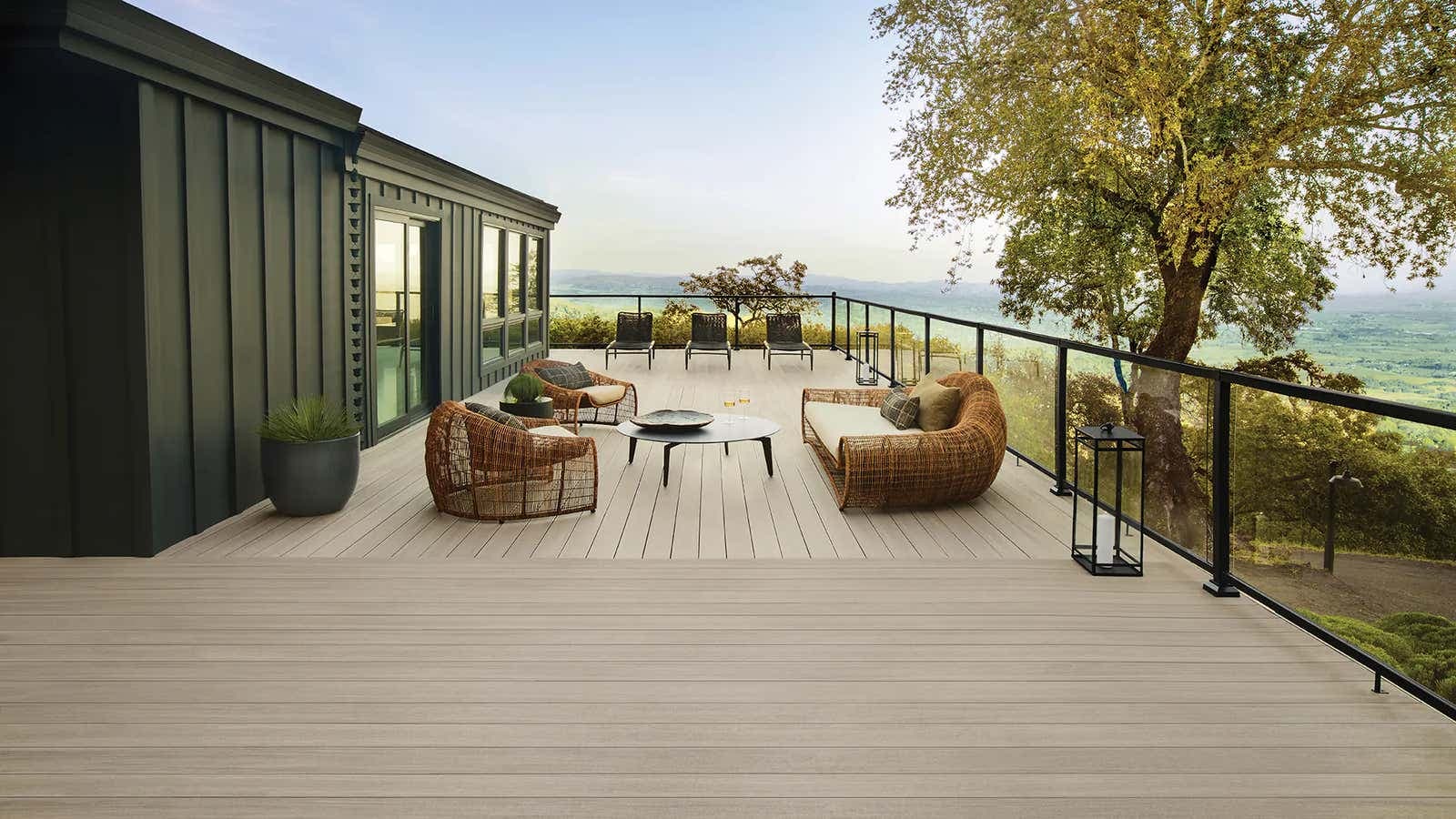
The Foundation: Framing and Structural Support
A second-story deck's structural integrity is paramount. Before any decking is considered, the framing must be robust and properly engineered to support the intended load, including furniture, occupants, and potential snow loads, if applicable. TimberTech decking, like all decking materials, relies on a sound substructure.
These specifications are crucial for preventing deflection and ensuring the long-term performance of your deck surface. Always confirm the exact joist spacing requirements for your chosen TimberTech product line, whether it's Azek, Pro, or Edge.
Consider the type of lumber used for framing. Pressure-treated lumber is common for outdoor applications due to its resistance to rot and insects. Ensure all structural components meet local building codes and are installed by qualified professionals. The decking itself is a surface material and does not contribute to the structural support of the deck.
Water Management and Drainage: Protecting the Space Below
One of the most significant differences for a second-story deck is managing water runoff. Unlike a ground-level deck where water dissipates into the ground, a second-story deck typically has a living space or patio underneath that needs protection from rain. TimberTech decking is not a waterproofing system. While Azek PVC boards are impervious to moisture, and Pro and Edge capped composites offer strong resistance, water will still pass between the board gaps.
To create a dry space below, an under-deck drainage system is essential. These systems typically consist of troughs or membranes installed between the joists, directing water away from the structure and into a gutter system. Planning for this system must occur before decking installation. It impacts joist depth, ledger board flashing, and overall deck height.
Proper flashing where the deck attaches to the house is also critical to prevent water intrusion into the building envelope. This involves using appropriate flashing materials and techniques to create a watertight seal, protecting the ledger board and adjacent wall from moisture damage.
Access and Integration: Stairs, Railings, and Entry Points
A second-story deck requires thoughtful planning for access, typically via stairs from the ground or an interior door from the house. Stair design needs to be safe, code-compliant, and aesthetically integrated with the deck and house. TimberTech offers fascia and trim options that can be used to finish stair risers and stringers, creating a cohesive look.
Railing systems are a vital safety feature for any elevated deck. These must meet specific height and spacing requirements to prevent falls. Consider how your chosen TimberTech decking color and profile will complement the railing material, whether it's composite, aluminum, or cable railing. The goal is a unified design that enhances both safety and visual appeal.
If the deck connects to an interior space, consider the threshold and door swing. Ensure the deck height allows for comfortable passage and that water runoff from the deck does not pool near the doorway.
Choosing Your TimberTech Decking Line for Elevated Projects
TimberTech offers three main lines suitable for second-story applications, each with distinct characteristics:
TimberTech Azek: This full PVC line contains zero wood fiber, making it impervious to moisture. It's an excellent choice for areas prone to heavy rain or if you anticipate moisture challenges beneath the deck. Azek boards also tend to stay cooler underfoot, which can be a comfort factor for sunny, elevated decks. Azek decking is ideal where moisture immunity is paramount.
TimberTech Pro: A four-sided capped composite, Pro offers multi-tonal grain and Mold Guard protection. It provides a durable, low-maintenance surface with a realistic wood look, suitable for most residential second-story applications. The robust capping helps resist stains and fading.
TimberTech Edge: As a three-sided capped composite, Edge provides a cost-effective entry point into TimberTech's capped decking options. It offers good performance and a genuine TimberTech shell, making it a viable choice for second-story decks where budget is a primary consideration, without compromising on essential durability.
All three lines use the same fastening systems and offer complementary fascia programs, allowing for a consistent finish regardless of your chosen board type. You can explore colors like Mahogany (Azek), Dark Hickory (Pro), or Coconut Husk (Edge) to match your home's aesthetic.
Worked Example: Planning a 12' x 16' Second-Story Deck
Let's consider a hypothetical 12-foot by 16-foot second-story deck using TimberTech Pro decking with a standard perpendicular layout. This deck will be accessed from an interior door and feature stairs to the ground level, with an under-deck drainage system.
The 16-foot length for the decking means using either 16-foot boards, or 20-foot boards cut down, or a combination with seams. We'll plan for 16-foot boards to minimize seams.
2. **Decking Calculation:** The deck area is 12 ft x 16 ft = 192 square feet. TimberTech Pro boards are 5.5 inches wide. For the 12-foot width, you'd need approximately (12 ft * 12 in/ft) / 5.5 in/board = 26.18 boards. Rounding up to 27 boards, each 16 feet long. Total lineal feet: 27 boards * 16 ft/board = 432 lineal feet. Allow for 10-15% waste for cuts and errors.
This system would collect water and channel it to a gutter along the 16-foot edge, protecting the patio below.
4. **Stairs and Railing:** A 4-foot wide set of stairs would extend from one 12-foot side. This requires dedicated stringers and risers, finished with TimberTech fascia. A railing system would encompass the remaining perimeter of the deck and the stairs, adhering to local building codes for height and baluster spacing.
Fascia boards and stair components would likely use Cortex plugs for a color-matched face-fastened appearance.
Before you order
- Confirm local building codes for second-story decks, including structural requirements, railing heights, and stair specifications.
- Obtain necessary permits before beginning construction.
- Engage a qualified structural engineer or experienced contractor to design and verify the framing plan.
- Select the appropriate TimberTech decking line (Azek, Pro, or Edge) based on moisture exposure, desired aesthetics, and budget.
- Plan for an under-deck drainage system if a dry space below is desired.
- Detail flashing requirements where the deck attaches to the house to prevent water intrusion.
- Design stair and railing systems for safety, accessibility, and aesthetic integration.
- Consider ventilation requirements for the deck substructure to ensure proper airflow.
- Factor in the weight of the decking material when calculating structural loads, especially if considering heavier composite options over PVC.
- Review fastening options (hidden clips vs. face fastening) and ensure compatibility with your chosen TimberTech boards.
Confirm installation details, approved uses and warranty terms in the current instructions for the exact product and profile. Your installer should verify the substrate, structure and applicable project requirements.
Questions to help you decide
Is TimberTech decking waterproof for a second-story deck?
No, TimberTech decking itself is not a waterproofing system. While Azek PVC boards are impervious to moisture, and composite lines are highly resistant, water will still pass through the gaps between the deck boards. To create a dry space underneath a second-story deck, an additional under-deck drainage system must be installed between the joists.
Can I use any TimberTech line for a second-story deck?
Yes, all TimberTech lines – Azek (full PVC), Pro (capped composite), and Edge (capped composite) – are suitable for second-story deck applications. Your choice will depend on factors like desired moisture resistance, appearance, budget, and foot traffic. Azek offers superior moisture immunity and cooler surface temperatures, while Pro and Edge provide durable, realistic wood looks at different price points.
What are the most important considerations for a second-story deck with TimberTech?
The most important considerations include a robust and code-compliant structural frame, effective water management (under-deck drainage and proper flashing), safe and accessible stairs and railings, and adequate ventilation for the substructure. The decking material choice, while important for aesthetics and durability, must be integrated into a well-planned and constructed underlying structure.
Plan Your Second-Story TimberTech Deck
Ready to elevate your outdoor living space? Request a material quote for your second-story deck project. Provide your project dimensions, desired TimberTech profile, and ZIP code to confirm current availability and service options.
Request a material quote →