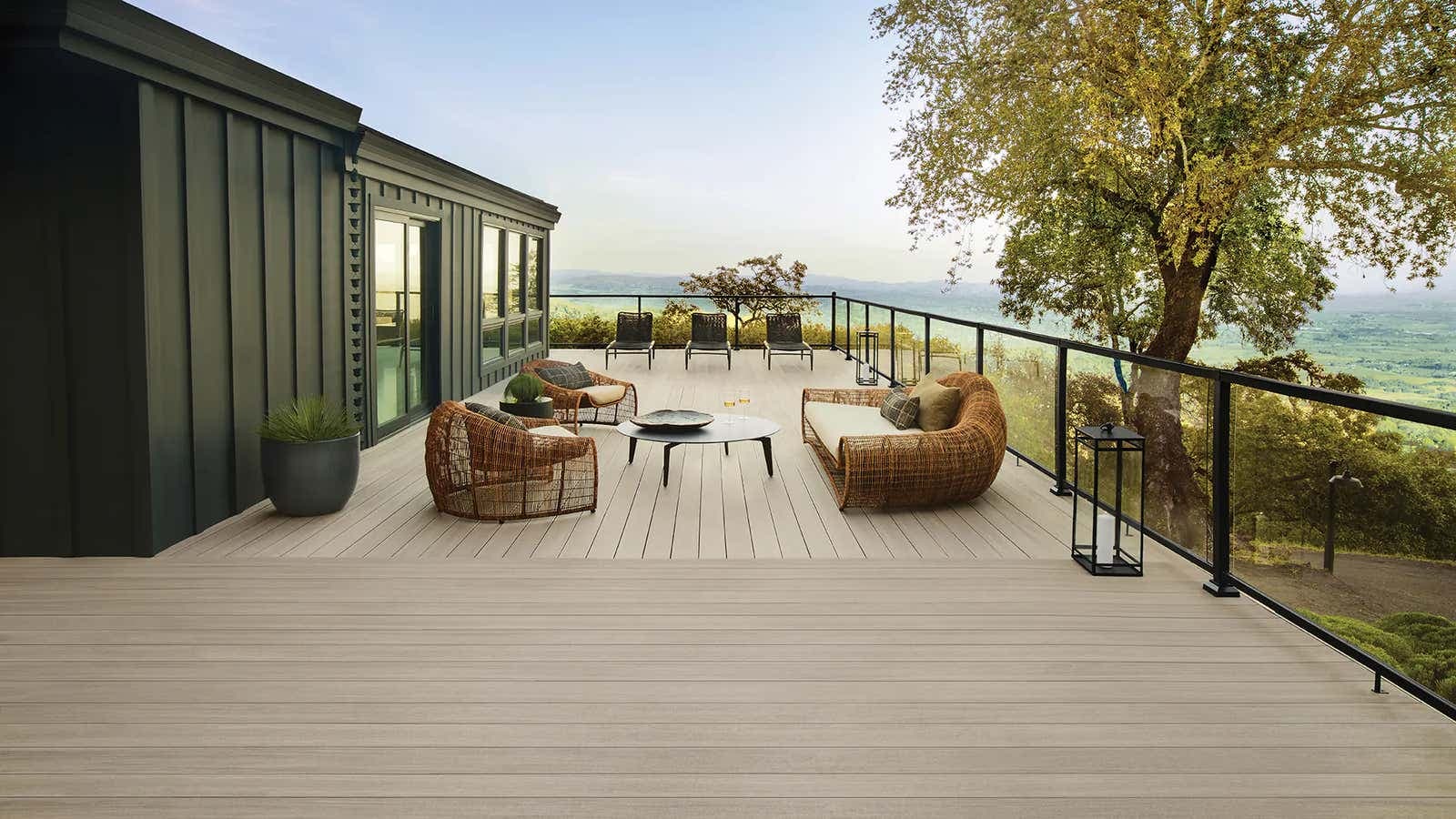
Assess Your Existing Deck Frame’s Condition
Before considering any resurfacing, a detailed inspection of your current deck frame is paramount. Look for any signs of rot, insect damage, cracks, or excessive warping in the joists, beams, and support posts. Pay close attention to areas where wood meets the ground, near water sources, or where fasteners might have corroded.
Check the stability of the entire structure. Are the posts firmly anchored? Is there any noticeable wobble or bounce when walking on the existing deck? Any compromised structural elements will need repair or replacement before new decking can be installed. This initial assessment helps identify potential hidden costs and ensures the safety of the renewed deck.
Verify Joist Spacing for TimberTech Decking
TimberTech decking, whether Azek PVC or capped composite, has specific requirements for joist spacing to ensure proper support and prevent sagging or bowing over time.
Measure the current joist spacing on your existing frame. Failing to meet these requirements can compromise the performance and warranty of your new decking.
Consider the Type of Existing Frame Material
Most existing deck frames are constructed from pressure-treated lumber. While TimberTech decking is compatible with treated lumber substructures, it's important to ensure the wood is in good condition and free from excessive moisture that could affect the new decking over time. For example, Azek PVC decking is impervious to moisture, making it suitable for pool surrounds or ground-contact applications, but the frame beneath still needs to be sound (S1).
If your existing frame uses a different material, such as steel, consult with a qualified builder or refer to TimberTech's installation guidelines for specific compatibility requirements and fastening methods. The goal is to create a stable, long-lasting base for your new TimberTech boards.
Planning for Ventilation and Drainage
Proper ventilation and drainage beneath your deck are critical, especially when installing composite or PVC decking. Reusing an existing frame means evaluating its current airflow. Ensure there are no obstructions that could trap moisture, as this can lead to issues with the frame itself and potentially affect the new decking. Air circulation helps prevent moisture buildup and keeps the deck cooler.
Consider the ground beneath the deck. Is it sloped away from the house? Is there adequate space between the ground and the bottom of the joists? If not, you might need to address grading or add gravel to improve drainage before installing the new deck surface. Good airflow and drainage contribute to the longevity of both the frame and the decking.
Worked Example: Joist Spacing Adjustment
This adjustment ensures the new TimberTech boards receive adequate support.
Consult a Professional and Get a Quote
Even if you're an experienced DIYer, it's highly recommended to have a qualified builder or deck contractor inspect your existing frame before purchasing new decking. They can identify subtle issues, confirm code compliance, and provide an expert opinion on the feasibility and scope of frame reuse. Their assessment can save you from costly mistakes down the line.
Once you have a clear understanding of your frame's condition and any necessary modifications, you can confidently request a material quote for your TimberTech decking. Provide accurate project dimensions, the exact TimberTech profile you've chosen (e.g., Azek Vintage, Pro Legacy, Edge Prime), and your ZIP code for current availability and service options.
Before you order
- Have I thoroughly inspected the entire existing deck frame for rot, insect damage, or structural weaknesses?
- Are all support posts and beams stable and securely anchored?
- If joist spacing is too wide, have I planned for adding intermediate joists or blocking?
- Is the existing frame material compatible with TimberTech decking and its fastening systems?
- Is there adequate ventilation and drainage beneath the deck to prevent moisture buildup?
- Have I considered consulting a qualified builder or deck contractor for a professional assessment of the frame?
- Do I have precise project dimensions and the desired TimberTech profile ready for a material quote?
Confirm installation details, approved uses and warranty terms in the current instructions for the exact product and profile. Your installer should verify the substrate, structure and applicable project requirements.
Questions to help you decide
What is the maximum joist spacing for TimberTech decking?
If you plan a diagonal installation, this usually reduces to 12 inches on center. Always confirm the specific requirements for your chosen TimberTech line (Azek, Pro, or Edge) and board profile.
Can I install TimberTech decking directly over old decking boards?
No, TimberTech decking should not be installed directly over existing decking boards. The old decking must be removed to expose the structural frame beneath. This allows for proper inspection of the frame, ensures correct joist spacing, and facilitates proper fastening and ventilation for the new TimberTech boards.
How do I know if my deck frame is structurally sound enough to reuse?
Inspect for visible signs of rot, insect damage, significant cracks, or excessive warping in joists, beams, and posts. Check for any movement or bounce in the deck. The best approach is to have a qualified deck builder or structural engineer assess the frame. They can identify hidden issues and confirm its suitability for supporting new decking and live loads.
Ready to Transform Your Deck?
Request a material quote for TimberTech decking today. Provide your project dimensions, desired TimberTech profile, and ZIP code to confirm current availability and service options for your renovation.
Request a material quote →