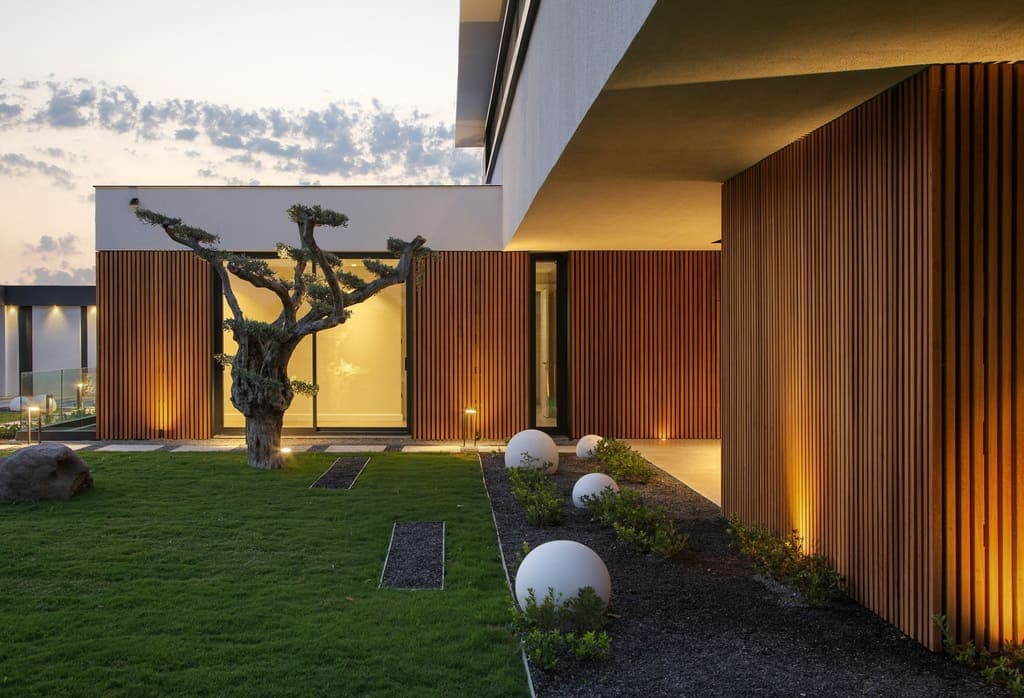
Understanding Thermally Modified Ayous Characteristics
Thermally Modified Ayous is derived from Triplochiton scleroxylon, originating from West and Central Africa. Through a thermal modification process, its dimensional stability is improved, reducing its response to moisture and seasonal movement. This makes it a suitable choice for applications where consistent lines are desired.
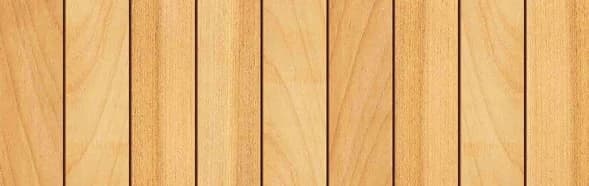
The wood's natural tone is a signature tan, offering a calm grain that contributes to clean wall, ceiling, and soffit aesthetics. Its low weight is a practical benefit, particularly for overhead installations and vertical cladding where ease of handling can be an advantage during installation.
While its improved stability is a key benefit, understanding how it interacts with direct sunlight is crucial for long-term performance and appearance.
Color Changes and UV Exposure
Like many natural wood products, Thermally Modified Ayous will undergo color changes when exposed to ultraviolet (UV) radiation from the sun. Initially, its natural tan tone contributes to a bright, clean aesthetic. Over time, without a UV-inhibiting finish, Thermally Modified Ayous on sun-exposed elevations will gradually weather to a silvery-gray patina.
This natural graying process is typical for wood exposed to the elements. While some projects embrace this change for a weathered look, others prefer to maintain the original color. If preserving the initial tan tone is a priority, regular application of a UV-protective finish will be necessary. This requires ongoing maintenance and should be factored into the project's long-term plan.
The rate and uniformity of graying can vary depending on the intensity of sun exposure, local climate conditions, and elevation orientation. Areas receiving more direct and prolonged sunlight will typically weather faster than shaded or less exposed sections.
Thermal Movement on Sun-Exposed Facades
Even with improved dimensional stability from thermal modification, wood will still experience some movement due to temperature fluctuations. On sun-exposed elevations, surfaces can heat up significantly, leading to expansion. As temperatures cool, the material will contract.
While Thermally Modified Ayous exhibits reduced moisture response, thermal expansion and contraction are still factors to consider in design and installation. Proper fastening methods and detailing, including appropriate spacing between boards and at abutments, are essential to accommodate this movement. This helps prevent undue stress on the cladding and maintains the visual integrity of the facade over time.
For projects with large, uninterrupted sun-exposed areas, consulting with an experienced installer or design professional regarding movement joints and specific installation guidelines is recommended. This ensures that the assembly can effectively manage thermal cycles without compromising performance or appearance.
Worked Example: South-Facing Elevation Cladding
Consider a hypothetical residential project with a south-facing elevation that measures 20 feet wide by 10 feet high, receiving direct sunlight for most of the day. The architect desires a clean, contemporary look using Thermally Modified Ayous 1x6 (nominal size) with a V-Joint profile for vertical application.
The total area to be clad is 200 square feet. For a 1x6 (0.75" x 5.5" actual) V-Joint profile, each board covers approximately 0.458 square feet per linear foot (5.5 inches / 12 inches per foot).
To cover 200 square feet, approximately 437 linear feet of material would be needed (200 sq ft / 0.458 sq ft/LF). Assuming 12-foot board lengths are preferred for minimizing cuts and waste, approximately 37 boards (437 LF / 12 LF per board) would be a starting point for material estimation. It's always advisable to add a waste factor (typically 10-15%) to account for cuts, defects, and future repairs, bringing the estimate to around 41-43 boards.
Given the south-facing orientation, the homeowner is advised that the Ayous will likely weather to a silvery-gray within 1-2 years without a protective finish. This maintenance commitment is a key discussion point for the project.
This small gap ensures that the cladding can breathe and move without buckling.
Alternative and Complementary Materials
If the natural graying process is not desired and ongoing maintenance for UV protection is not feasible, consider other materials or finishes. For a similar aesthetic with different weathering characteristics, or for a darker, more stable color, explore alternatives such as Accoya wood, which is also dimensionally stable and offers excellent durability. Another option is a pre-finished thermally modified wood with a factory-applied opaque stain, which can offer more consistent color retention.
Thermally Modified Ayous can also be effectively paired with other materials on the same facade. For example, using Ayous on a shaded or less exposed section, and a more UV-resistant material like stone, stucco, or metal panels on the intensely sun-exposed areas, can create a dynamic and practical design. This approach allows for the benefits of Ayous where it performs best, while addressing the challenges of direct solar exposure with suitable complementary materials.
Before you order
- Assess the exact orientation and sun exposure intensity of the elevation.
- Decide whether the natural graying of wood is acceptable for your project's aesthetic.
- If maintaining the original tan color is crucial, plan for regular application of a UV-protective finish.
- Verify manufacturer installation guidelines for spacing and fastening to accommodate thermal movement.
- Consider the long-term maintenance commitment associated with sun-exposed wood cladding.
- Explore complementary materials if only specific sections of the elevation are heavily sun-exposed.
- Consult a professional for complex designs or large-scale sun-exposed applications.
Confirm installation details, approved uses and warranty terms in the current instructions for the exact product and profile. Your installer should verify the substrate, structure and applicable project requirements.
Questions to help you decide
Will Thermally Modified Ayous warp or twist on a sunny wall?
On sun-exposed walls, significant temperature fluctuations can cause some thermal expansion and contraction. Proper installation, including appropriate spacing and fastening, is crucial to manage this movement and prevent warping or twisting. It is not recommended to use Thermally Modified Ayous as a structural element.
Can I paint or stain Thermally Modified Ayous for sun protection?
Yes, Thermally Modified Ayous can be painted or stained. Applying a high-quality exterior paint or a stain with UV inhibitors can help protect the wood from the sun's rays and slow down the natural graying process. However, any finish will require periodic reapplication, especially on sun-exposed elevations, to maintain its protective qualities and aesthetic.
How does Thermally Modified Ayous compare to other thermally modified woods on sun-exposed elevations?
Thermally Modified Ayous offers a lightweight and stable option with a calm grain. Its performance on sun-exposed elevations is similar to other thermally modified woods in that it will naturally gray over time if left unfinished. The primary differences often lie in the wood's density, grain pattern, and initial color. Always review specific product documentation for any material you are considering for sun-exposed applications.
Plan Your Sun-Exposed Facade with Thermally Modified Ayous
Ready to specify Thermally Modified Ayous for your project? Provide your project dimensions, desired profile (e.g., V-Joint, S4S E4E, Fluted #5), and ZIP code to request a material quote. Confirm current availability and service options to bring your design to life.
Request a material quote →