Understanding Thermally Modified Ayous
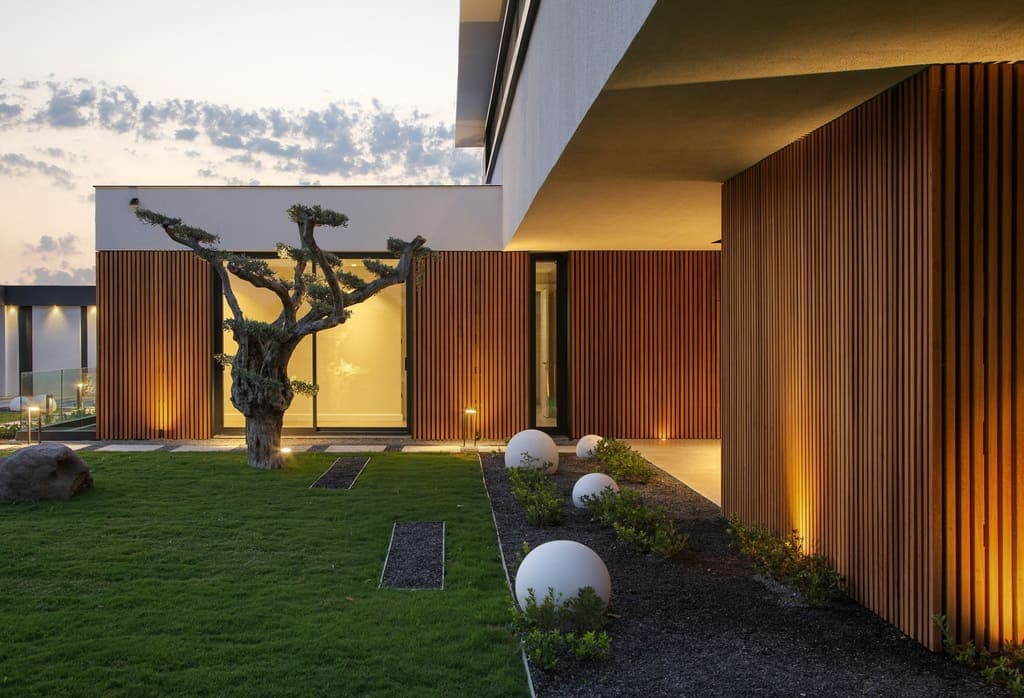
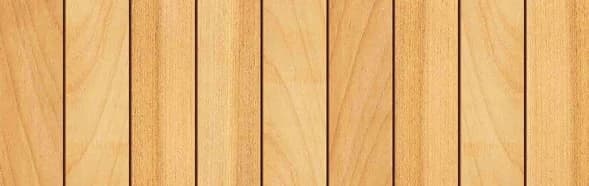
Thermally Modified Ayous is a lightweight real wood known for its calm grain and improved dimensional stability. The thermal modification process enhances its resistance to moisture response and seasonal movement, making it well-suited for various applications. It offers a natural, signature tan tone, which can be maintained or allowed to weather naturally.
Common applications for Thermally Modified Ayous include ceilings, soffits, walls, and cladding. Its low weight makes it particularly advantageous for overhead installations, simplifying handling. Custom milling for project-specific details may also be possible for compatible orders.
Material Takeoff: Ayous Boards
The first step in budgeting is an accurate material takeoff for the Ayous boards themselves. This involves calculating the total area to be covered and then converting that to the number of lineal feet or individual boards needed, accounting for waste. For our example sunroom accent wall (12 feet wide x 8 feet high), the total surface area is 96 square feet.
To cover the 12-foot width, you'd need roughly (12 feet * 12 inches/foot) / 5.5 inches/board = 26.18 boards. Since boards are typically sold in fixed lengths (e.g., 8-foot, 10-foot, 12-foot, 14-foot, 16-foot), and our wall is 8 feet high, using 8-foot or 16-foot lengths would be efficient. If using 8-foot lengths, you'd need 27 boards. If using 16-foot lengths, each board could yield two 8-foot pieces, meaning you'd need 14 boards (27 / 2, rounded up). Always factor in 10-15% extra for cuts, waste, and future repairs. For this example, let's assume 16-foot lengths are chosen to minimize cuts, requiring 14 boards plus 15% waste (14 * 1.15 = 16.1), rounded up to 17 boards. This yields 2 pieces per board, meaning 34 pieces of 8-foot length.
Essential Accessories and Fasteners
Beyond the Ayous boards, several accessories are crucial for a complete and durable installation. These include appropriate fasteners, which vary depending on the chosen profile and installation method (e.g., face-fastened or hidden fasteners). Stainless steel fasteners are generally recommended for exterior applications to prevent staining and corrosion.
Other accessories might include furring strips or a rainscreen system if installed as exterior cladding, trim pieces for corners and edges (e.g., S4S E4E 1x2 or 1x4 for matching trim), and any required sealants or finishes. For an interior accent wall, trim for edges and corners, and potentially a vapor barrier behind the wood, would be important. Don't forget sanding supplies, safety gear, and any specialized tools for cutting or milling.
Finishing and Maintenance Materials
While Thermally Modified Ayous can be left unfinished to develop a natural silver-gray patina over time, many projects opt for a finish to maintain its original tan tone or to achieve a specific aesthetic. This would involve purchasing appropriate UV-protective oils or stains. Consider the square footage of the material and the coverage rate of the chosen finish.
For the sunroom accent wall, if a finish is desired, you would need to calculate the amount of finish based on 96 square feet. Also, factor in any necessary cleaning supplies and applicators. Regular maintenance, such as reapplication of finishes, will be an ongoing cost that should be considered in a long-term budget.
Labor and Installation Costs
Labor is often a significant portion of a project budget. This includes the cost of skilled carpenters or installers, as well as any general labor for material handling, site preparation, and cleanup. Installation complexity, such as intricate patterns, mitered corners, or custom detailing, will influence labor hours.
For our 96-square-foot accent wall, a professional installer might estimate a certain number of hours, typically ranging from 1 to 2 hours per square foot for detailed work, depending on local rates and project specifics. Obtaining multiple quotes from qualified contractors is always recommended to compare labor costs and ensure the scope of work is fully covered.
Contingency and Miscellaneous Expenses
A contingency fund is a critical part of any realistic project budget, typically 10-15% of the total estimated cost. This buffer accounts for unforeseen issues such as material damage during shipping or installation, unexpected site conditions, or minor design changes. Not having a contingency can lead to project delays or compromises in quality.
Miscellaneous expenses might include delivery charges for materials, disposal fees for waste, rental of specialized equipment (e.g., scaffolding for high walls), and permits if required by local building codes. Even small items can add up, so a detailed list of potential incidentals is helpful.
Before you order
- Have I calculated the exact square footage of the project area?
- Have I chosen a specific Thermally Modified Ayous profile (e.g., S4S E4E, V-Joint, Fluted #5)?
- Have I accounted for 10-15% waste in my material takeoff for Ayous boards?
- Do I know the required lineal feet or number of boards for my chosen profile and dimensions?
- Have I identified all necessary fasteners, trim, and other accessories?
- Is a finish desired, and have I budgeted for the specific product and application?
- Have I obtained quotes for professional installation labor?
- Does my budget include a contingency fund of at least 10-15%?
- Have I considered delivery costs, waste disposal, and any permit fees?
- Have I reviewed the total estimated cost against my overall project budget?
Confirm installation details, approved uses and warranty terms in the current instructions for the exact product and profile. Your installer should verify the substrate, structure and applicable project requirements.
Questions to help you decide
What profiles are available for Thermally Modified Ayous?
These profiles cater to various applications, including siding, ceilings, walls, and architectural features. For specific project details, custom milling may be an option for compatible orders.
Can Thermally Modified Ayous be used outdoors?
Yes, Thermally Modified Ayous is suitable for outdoor applications such as cladding, soffits, and exterior walls. The thermal modification process improves its dimensional stability and resistance to moisture, making it a durable choice for exterior use. It can be left unfinished to weather naturally or protected with a suitable exterior finish.
How do I calculate the amount of Thermally Modified Ayous I need?
Start by calculating the total square footage of the area you intend to cover. Then, consider the specific coverage width of your chosen Ayous profile (e.g., a 1x6 nominal board might cover 5.5 inches). Divide the total width of your project area by the coverage width of a single board to find the number of boards needed per run. Multiply this by the number of runs (height) and add 10-15% for waste, cuts, and potential future repairs. It's always best to round up to ensure you have enough material.
Ready to Plan Your Thermally Modified Ayous Project?
Request a material quote today with your project dimensions, desired profile, and ZIP code to confirm current availability and service options for Thermally Modified Ayous. Let us help you build a detailed budget for your vision.
Request a material quote →