Understanding Thermally Modified Ayous Characteristics
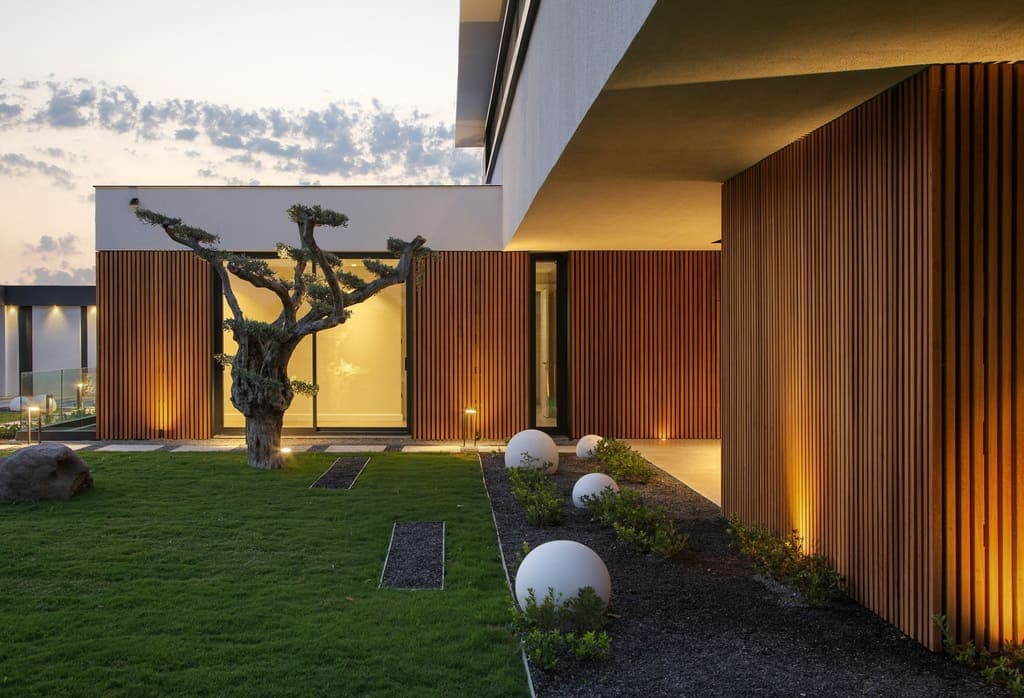
Thermally Modified Ayous is derived from Triplochiton scleroxylon, originating from West and Central Africa. Through a thermal modification process, the wood's properties are enhanced, resulting in improved dimensional stability and reduced moisture response compared to untreated Ayous. This makes it well-suited for various applications, including ceilings, soffits, and wall cladding where straight lines and ease of handling are beneficial.
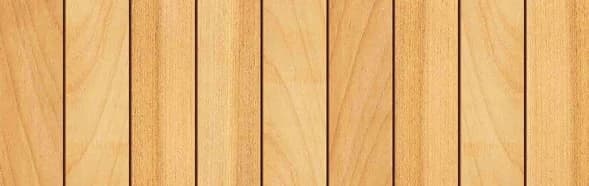
The wood initially presents a signature tan tone. Its calm grain contributes to a clean aesthetic, making it a versatile choice for both interior and exterior feature walls. The thermal modification also imparts a consistent color throughout the wood, which can be a factor in how it weathers or accepts finishes.
Trim and molding are also available in S4S E4E profiles.
Initial Appearance and Natural Weathering
Upon installation, Thermally Modified Ayous exhibits a natural tan color. If left unfinished and exposed to the elements, particularly UV radiation and moisture, the wood will gradually change in appearance. This natural weathering process typically results in the material developing a silver-gray patina over time. The rate and uniformity of this change can vary depending on exposure levels, orientation, and local climate conditions.
Some project designs embrace this silver-gray aesthetic as part of the intended look, requiring minimal intervention beyond basic cleaning. Others may prefer to preserve the initial tan tone, which necessitates a more active maintenance approach involving protective finishes.
Routine Cleaning for Unfinished Ayous
Even when allowing Thermally Modified Ayous to weather naturally, routine cleaning is beneficial to remove surface dirt, pollen, and mildew. This helps maintain the material's appearance and can prevent uneven weathering or staining.
A soft brush or cloth with mild soap and water is generally sufficient for cleaning. For more stubborn areas, a diluted wood cleaner designed for exterior use may be appropriate. Always rinse thoroughly with clean water to remove any soap residue. Avoid high-pressure washing, which can damage the wood fibers, especially on softer thermally modified species.
Frequency of cleaning will depend on the application and exposure. Exterior cladding in a dusty urban environment might require more frequent cleaning than a sheltered interior soffit.
Maintaining the Original Color with Finishes
To retain the original tan color of Thermally Modified Ayous, the material must be protected with a UV-inhibiting finish. These finishes typically include oils, stains, or sealers that penetrate the wood or form a protective layer on the surface.
The choice of finish will impact the final look and the reapplication schedule. Transparent or translucent finishes will allow the wood's grain to show through, while opaque stains will cover it. Always select finishes specifically formulated for exterior wood and compatible with thermally modified timber. It's recommended to test any finish on a small, inconspicuous area or a scrap piece of wood to ensure the desired outcome.
Reapplication of finishes is crucial for continuous protection. The frequency will depend on the product type, manufacturer recommendations, and environmental exposure. Typically, exterior finishes may require reapplication every 1 to 3 years. Regular inspection for signs of wear, such as fading or peeling, will help determine the optimal reapplication schedule.
Worked Example: Facade Maintenance Plan
Consider a hypothetical residential project featuring 500 square feet of Thermally Modified Ayous S4S E4E cladding on a west-facing facade. The client desires to maintain the wood's initial tan appearance for as long as possible.
**Initial Steps:** Before installation, apply a high-quality UV-protective penetrating oil specifically designed for thermally modified wood to all four sides of each board. This ensures maximum protection, especially at cut ends and concealed surfaces.
**Annual Inspection:** Conduct a thorough inspection of the facade every spring after the last frost. Look for any areas where the finish appears faded, thin, or where the wood color is starting to gray. Pay close attention to areas most exposed to direct sunlight and rain.
**Spot Cleaning:** As needed, typically 1-2 times a year, clean the facade with a soft brush and a mild, pH-neutral soap solution. Rinse thoroughly with a garden hose on a low-pressure setting. This removes accumulated dirt and prevents mildew growth.
If the finish shows significant wear sooner, reapply earlier. For a 500 square foot facade, a single reapplication would require approximately 2 gallons of the finish.
This proactive approach helps preserve the desired aesthetic and extends the life of the finish, minimizing the need for more intensive restoration later.
Considerations for Different Applications
The maintenance plan for Thermally Modified Ayous can vary significantly based on its application:
**Exterior Cladding and Siding:** These applications are most exposed to UV, rain, and temperature fluctuations. They will require the most diligent maintenance if a consistent color is desired. If left to weather, regular cleaning is still important to prevent fungal growth and uneven patination.
**Soffits and Overhangs:** Being more sheltered, soffits may experience slower weathering and less wear on finishes. Cleaning might be less frequent, and finishes may last longer. However, they can still accumulate dust and cobwebs, requiring occasional cleaning.
**Interior Walls and Ceilings:** For interior applications, the primary maintenance concern is usually light cleaning to remove dust or smudges. UV exposure is minimal, so finishes applied indoors are primarily for aesthetic enhancement rather than protection against weathering. Reapplication would be rare, if ever needed.
Before you order
- Determine desired long-term appearance: natural silver-gray patina or maintained tan color?
- If maintaining color, research and select a UV-protective finish compatible with thermally modified wood.
- Establish a routine cleaning schedule based on application and exposure.
- Plan for annual or bi-annual inspections of finished surfaces.
- Budget for finish reapplication materials and labor (typically every 1-3 years for exterior finishes).
- Consider the impact of local climate and sun exposure on weathering and finish longevity.
- Understand that even with finishes, some color shift over time is natural.
Confirm installation details, approved uses and warranty terms in the current instructions for the exact product and profile. Your installer should verify the substrate, structure and applicable project requirements.
Questions to help you decide
Can Thermally Modified Ayous be painted?
While it is possible to paint Thermally Modified Ayous, it is more commonly finished with penetrating oils or stains that allow the wood's natural grain to show through. If painting, ensure the primer and paint are suitable for exterior wood and adhere well to thermally modified surfaces. Always follow the paint manufacturer's instructions for application and preparation.
How do I remove mildew from Thermally Modified Ayous?
Mildew can be removed from Thermally Modified Ayous using a solution of mild soap and water, or a diluted bleach solution (e.g., 1 part bleach to 3 parts water) for stubborn stains. Apply the solution with a soft brush, gently scrub the affected area, and rinse thoroughly with clean water. Ensure adequate ventilation and wear protective gear when working with bleach. Avoid abrasive cleaners or high-pressure washing.
Does Thermally Modified Ayous require sealing on cut ends?
Yes, it is highly recommended to seal all cut ends of Thermally Modified Ayous, especially in exterior applications. While thermal modification improves stability, exposed end grain can still absorb moisture more readily than face grain. Applying an end-grain sealer or the same protective finish used on the rest of the board helps minimize moisture uptake and reduces the risk of checking or splitting at the ends.
Ready to plan your Thermally Modified Ayous project?
Request a material quote with your project dimensions, exact profile, and ZIP code. Confirm current availability and service options with our team.
Request a material quote →