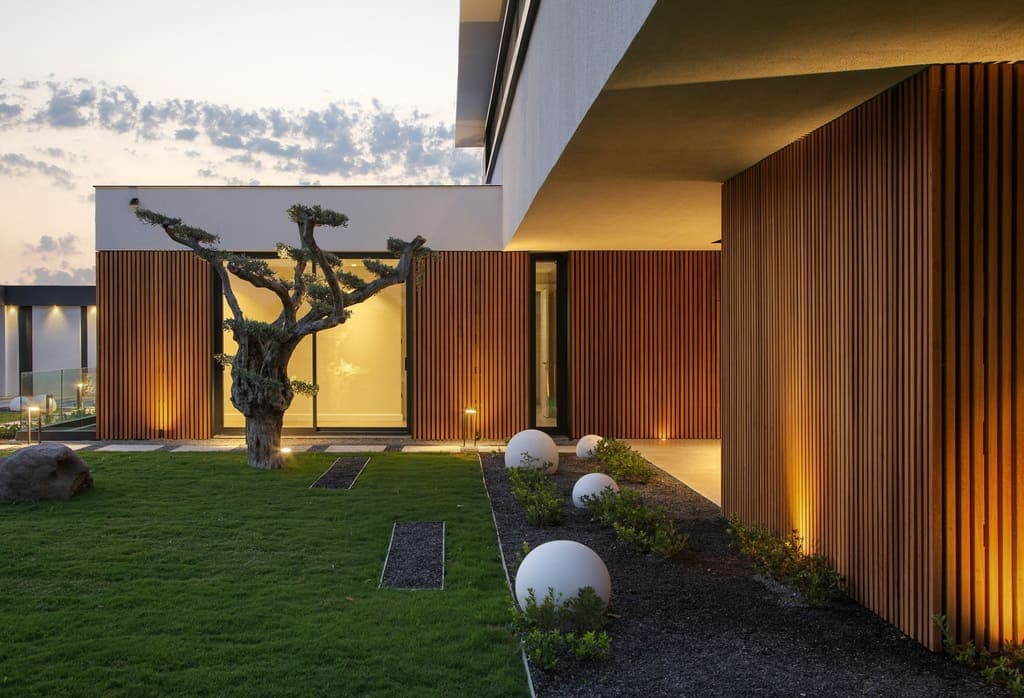
Understanding Thermally Modified Ayous for Renovation
Thermally modified Ayous is a lightweight wood known for its calm grain and improved dimensional stability after the thermal modification process. This treatment reduces the wood's response to moisture and seasonal movement, making it a candidate for both interior and exterior applications.
Its low weight can be an advantage in renovation projects, particularly for overhead applications like ceilings and soffits, where ease of handling and reduced structural load are beneficial. For vertical applications such as walls and cladding, its stability contributes to maintaining straight lines and a consistent appearance.
Before committing to thermally modified Ayous, it is important to understand its properties and how they interact with the existing conditions of your renovation. This includes considering the climate, exposure, and the current structural integrity of the area you intend to cover.
Assessing Existing Substrates and Framing
The condition of your existing substrate and framing is a critical starting point for any renovation. For exterior cladding, inspect the existing sheathing for any signs of water damage, rot, or structural compromise. Interior walls require similar attention to drywall or plaster integrity.
Ensure the existing framing is sound, level, and capable of supporting the new material. While thermally modified Ayous is lightweight, the entire assembly, including furring strips, rainscreens (if applicable), and fasteners, adds to the load. Any deficiencies in the existing structure must be addressed and repaired before installing new material. This may involve replacing damaged studs, reinforcing weak areas, or leveling uneven surfaces to provide a stable base for the new wood.
Consider the type of existing substrate. For exterior applications, a proper weather-resistant barrier (WRB) is essential, and its condition should be evaluated. If the existing WRB is compromised or absent, a new one should be installed. For interior projects, ensure the substrate is clean, dry, and free from contaminants that could affect adhesion or fastener performance.
Evaluating Exposure and Environmental Factors
The suitability of thermally modified Ayous in a renovation depends heavily on the environmental conditions of its intended location. For exterior applications, consider the degree of sun exposure, prevailing winds, and rainfall. While thermal modification improves stability, direct, prolonged exposure to intense UV radiation will cause the wood to weather and change color over time, typically developing a silver-gray patina.
In coastal environments, salt spray and high humidity can influence material performance and maintenance. For winter climates, consider how snow accumulation and freeze-thaw cycles might affect the facade. Thermally modified Ayous is described as dimensionally stable, but proper detailing for drainage and ventilation remains essential in all exterior applications.
Interior applications generally experience more controlled environments, but factors like humidity levels in bathrooms or kitchens, or direct sunlight through large windows, should still be considered. Understanding these environmental factors helps in planning for proper installation, finishes, and long-term maintenance.
Planning for Ventilation and Rainscreen Systems
For exterior wall renovations, incorporating a rainscreen system is often a best practice, regardless of the material. A rainscreen creates an air gap between the exterior cladding (like thermally modified Ayous) and the weather-resistant barrier, allowing for drainage and ventilation. This helps manage moisture, promotes drying, and can contribute to the overall durability of the wall assembly.
When renovating, assess if the existing wall assembly can accommodate a rainscreen gap. This might involve adding furring strips to the existing substrate. The depth of the furring strips will depend on the desired air gap and the profile of the Ayous being installed.
Even if the existing structure does not currently have a rainscreen, integrating one during a renovation is an opportunity to improve the building's performance. Discuss this with your contractor to ensure the revised wall assembly provides adequate protection and ventilation for the thermally modified Ayous.
For covered outdoor applications like soffits or protected ceilings, ventilation is still important, though the specific detailing may differ from a full exterior wall rainscreen. Adequate airflow helps prevent moisture buildup and maintains material stability.
Worked Example: Renovating a Covered Patio Ceiling
Consider a hypothetical renovation of a covered patio ceiling, measuring 12 feet by 10 feet, currently finished with painted plywood. The goal is to replace the plywood with thermally modified Ayous for a natural aesthetic.
First, the existing plywood would be removed. The underlying joists (the existing substrate) must be inspected for any water damage, rot, or unevenness. If any joists were found to be sagging or damaged, they would need repair or replacement before proceeding.
Since it's a covered ceiling, a full rainscreen system might not be strictly necessary, but maintaining some air circulation above the Ayous is still beneficial. These furring strips create a shallow air gap and provide a consistent fastening surface.
The ceiling area is 12 ft x 10 ft = 120 square feet. Each 1x6 board, covering 5.5 inches, has an area of (5.5/12) ft x 12 ft (assuming 12-foot lengths are available) = 5.5 square feet. Therefore, 120 sq ft / 5.5 sq ft/board = approximately 21.8 boards. To account for cuts and waste, one might order 24 boards. If using 8-foot lengths, 120 sq ft / ((5.5/12) ft * 8 ft) = 32.7 boards, rounding up to 34 or 35 boards for waste. This calculation provides an estimate, but a detailed cut plan considering board lengths and minimizing waste is advisable. The lightweight nature of Ayous makes it manageable for overhead installation, reducing fatigue during the renovation process.
Before you order
- Inspect existing substrate: Is it sound, level, and free from damage?
- Evaluate structural capacity: Can the existing framing support the new material and assembly?
- Assess environmental exposure: What are the specific climate factors (sun, moisture, wind) at the renovation site?
- Consider moisture management: Is a rainscreen system feasible and necessary for exterior applications?
- Plan for ventilation: How will airflow be managed behind the Ayous, especially in exterior or covered applications?
- Confirm desired aesthetic: Does the natural look and weathering potential of thermally modified Ayous align with your long-term vision?
- Review available profiles: Do the standard or custom profiles meet your design and installation requirements?
- Budget for repairs: Have you accounted for any necessary repairs to the existing structure before installation?
- Consult with a professional: Have you discussed your renovation plans with a contractor experienced in wood cladding or ceiling installations?
Confirm installation details, approved uses and warranty terms in the current instructions for the exact product and profile. Your installer should verify the substrate, structure and applicable project requirements.
Questions to help you decide
Can thermally modified Ayous be installed directly over existing siding?
Generally, it is recommended to remove existing siding and inspect the underlying sheathing and framing. Installing thermally modified Ayous directly over old siding may not provide a stable, level, or adequately ventilated substrate. A proper renovation typically involves preparing the existing wall to create a clean, sound surface, often with a new weather-resistant barrier and furring strips for a rainscreen system, before installing the new material.
Does thermally modified Ayous require a finish for exterior renovation projects?
Thermally modified Ayous does not require a finish for performance in exterior applications, as its thermal modification improves its dimensional stability. However, if left unfinished, it will naturally weather to a silver-gray patina over time due to UV exposure. If you wish to maintain its original tan tone, a UV-inhibiting finish will be necessary and will require periodic reapplication as part of a maintenance schedule.
Is thermally modified Ayous suitable for high-moisture interior areas like bathrooms?
Thermally modified Ayous exhibits improved dimensional stability due to its treatment, which can make it more tolerant of variations in humidity compared to untreated wood. For high-moisture interior areas like bathrooms, it can be considered for walls or ceilings, provided there is adequate ventilation in the room. Direct water exposure should still be avoided, and proper sealing around fixtures is important. Always ensure the specific installation methods and finishes (if any) are appropriate for the moisture levels present.
Ready to Transform Your Renovation with Thermally Modified Ayous?
Request a material quote with your project dimensions, exact profile, and ZIP code. We can also help you confirm current availability and service options for your renovation project.
Request a material quote →