Why Physical Samples Matter for Thermally Modified Ayous
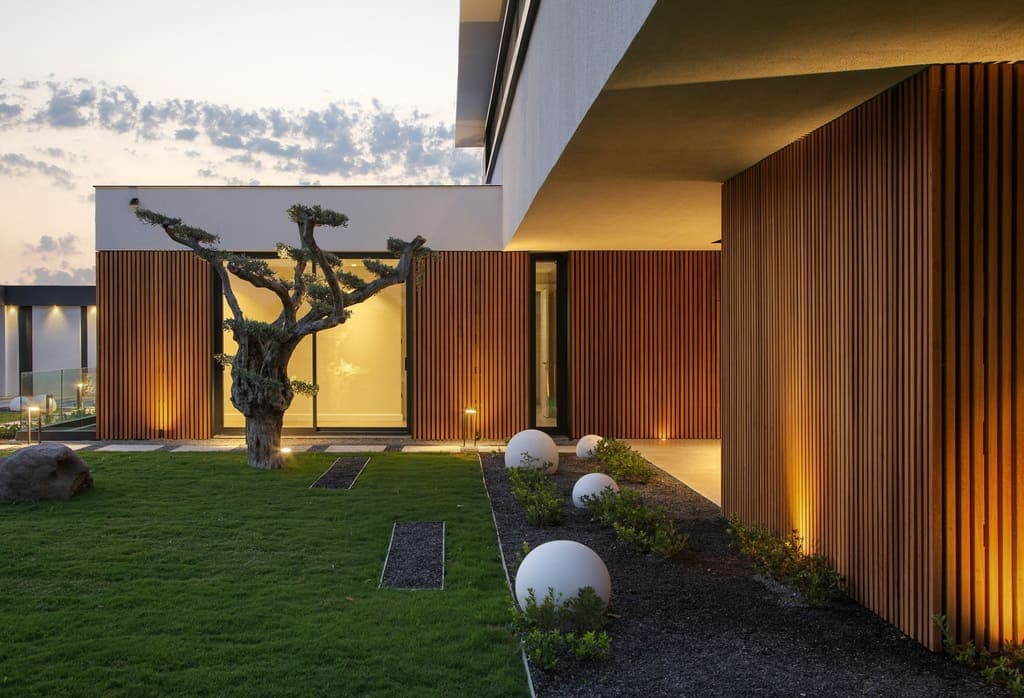
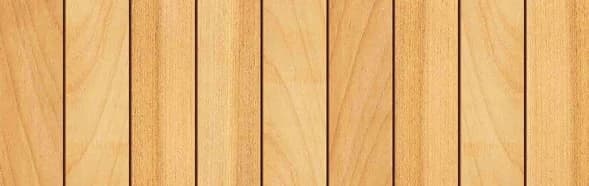
Thermally Modified Ayous, known for its light weight, calm grain, and improved dimensional stability, presents a signature tan tone that can vary subtly depending on the thermal modification process and individual wood characteristics. Digital photos, even high-quality ones, may not accurately represent the true color, grain pattern, or texture of the wood. Screen settings, ambient light during photography, and color compression can all distort the appearance.
Physical samples provide a tangible representation that allows you to experience the material firsthand. This is especially important for applications like walls, ceilings, and soffits, where the material will be viewed up close and across large surfaces. The way light interacts with the wood's surface, the subtle variations in its natural tone, and the tactile feel are all best assessed with a physical piece in hand.
Evaluating Color and Tone Under Different Lighting
The signature tan tone of Thermally Modified Ayous can appear differently depending on the light source. A sample viewed under bright natural sunlight will often look different than under incandescent or LED artificial light. This is a crucial consideration for both interior and exterior applications.
For exterior cladding or siding, take your sample outside and observe it at different times of day – morning, midday, and late afternoon – to see how the changing angle and intensity of the sun affect its appearance. For interior feature walls or ceilings, bring the sample into the room where it will be installed and observe it under the primary lighting conditions, including any planned accent lighting.
Consider how the wood's natural tan tone will complement other elements in the space. Will it appear warmer or cooler alongside existing paint colors, flooring, or furniture? The goal is to ensure the color consistency and warmth you perceive from the sample will translate to the finished project.
Assessing Texture and Grain with Your Hands
Thermally Modified Ayous offers a calm grain, which contributes to its clean aesthetic for walls, ceilings, and soffits. While photographs can show the general pattern, they cannot convey the actual texture. Running your hand over a physical sample allows you to feel the smoothness of an S4S E4E profile or the subtle depth of a V-Joint / Nickel Gap profile.
The tactile experience is part of the material's appeal, especially for interior applications where people may interact with the surface. Consider how the texture will contribute to the overall sensory experience of the space. Does it feel refined and smooth, or does it offer a slight, natural wood texture? This physical interaction helps you understand the material's character beyond its visual properties.
The Impact of Adjacent Finishes and Materials
No material exists in isolation. Thermally Modified Ayous will be installed alongside other building components and finishes. Bringing your sample into direct contact with these other materials is essential for evaluating the overall aesthetic.
If you are pairing Thermally Modified Ayous cladding with a light-colored stucco, a dark metal trim, or a glass facade, place the sample directly against swatches or existing examples of these materials. Observe how the tan tone of the Ayous interacts with their colors and textures. Does it create a harmonious blend, or does it stand out in a way that aligns with your design vision? This step helps prevent unexpected clashes or an unbalanced appearance once the project is complete.
For interior applications, consider how the Ayous sample looks next to paint chips, flooring samples, or cabinet finishes. The goal is to see how all elements will come together to form a cohesive design.
Understanding Profiles and Dimensions from Samples
A physical sample, even a small one, should clearly show the profile's edge detail and thickness.
This allows you to visualize the shadow lines, joint spacing, or fluting depth that these profiles will create when installed. For example, a V-Joint / Nickel Gap profile creates a distinct shadow line that can add visual interest to a wall or ceiling. A Fluted #5 profile offers a more architectural, textured surface. Understanding these details from a sample helps confirm that the chosen profile will achieve the desired aesthetic and dimensional effect in your project.
While a sample may be a small cut, it represents the full-sized boards. Consider how the profile will repeat across a large area and contribute to the overall pattern and rhythm of your design. For custom milling, discuss your specific detail requirements with your supplier.
Worked Example: Selecting Ayous for a Covered Patio Ceiling
Your primary goal is a clean, natural look that complements existing cream-colored stucco walls and dark bronze window frames.
First, take the sample outside and hold it up against the existing stucco and near the window frames. Observe it during mid-morning and late afternoon. In the morning, you notice the Ayous's tan tone appears slightly lighter and more golden, harmonizing well with the stucco. In the late afternoon, as the light softens, the Ayous takes on a slightly richer, warmer hue, still complementing the bronze but adding depth.
Next, consider the profile. The V-Joint / Nickel Gap sample clearly shows the shallow V-groove and the subtle gap. Holding it overhead, you can visualize the linear pattern it will create across the ceiling. You confirm that this profile will achieve the desired clean lines and subtle shadow effect, rather than a completely flat appearance.
Finally, you confirm the sample's label matches the 'V-Joint / Nickel Gap' profile and 'Thermally Modified Ayous' species from the Lumber Plus product page. This process helps you confidently decide that this specific material and profile will meet your design and aesthetic expectations for the patio ceiling.
Before you order
- Obtain physical samples of Thermally Modified Ayous in your preferred profile.
- View samples under various lighting conditions (natural daylight, artificial light) in the actual project location.
- Place samples next to all adjacent materials and finishes (paint swatches, flooring, trim, stone, metal).
- Feel the texture of the sample to understand its tactile qualities.
- Examine the profile details on the sample to visualize shadow lines and dimensional effects.
- Confirm the sample's label accurately reflects the species and profile you intend to order.
- Consider how the material will appear at different distances and angles.
- If possible, create a small mock-up with the sample and adjacent materials for a more comprehensive view.
Confirm installation details, approved uses and warranty terms in the current instructions for the exact product and profile. Your installer should verify the substrate, structure and applicable project requirements.
Questions to help you decide
How large should my Thermally Modified Ayous sample be?
While small pieces can show color and texture, a larger sample, ideally 6-12 inches long, offers a better representation of the grain pattern and how the profile looks. For profiles like V-Joint or Fluted, a longer sample helps visualize the repeating pattern.
Can I request samples of different Thermally Modified Ayous profiles?
Each profile creates a distinct visual effect, and seeing them side-by-side can help in your decision.
What information should I look for on a Thermally Modified Ayous sample label?
This ensures you are evaluating the exact product you intend to order. You can find more details about Thermally Modified Ayous and its profiles at our product page: /thermally-modified-wood/ayous.
Ready to Select Your Thermally Modified Ayous?
Request a material quote today with your project dimensions, exact profile, and ZIP code. We can help confirm current availability and service options for your project. Explore our full range of Thermally Modified Wood products, Siding and Cladding, and the NORX brand.
Request a material quote →