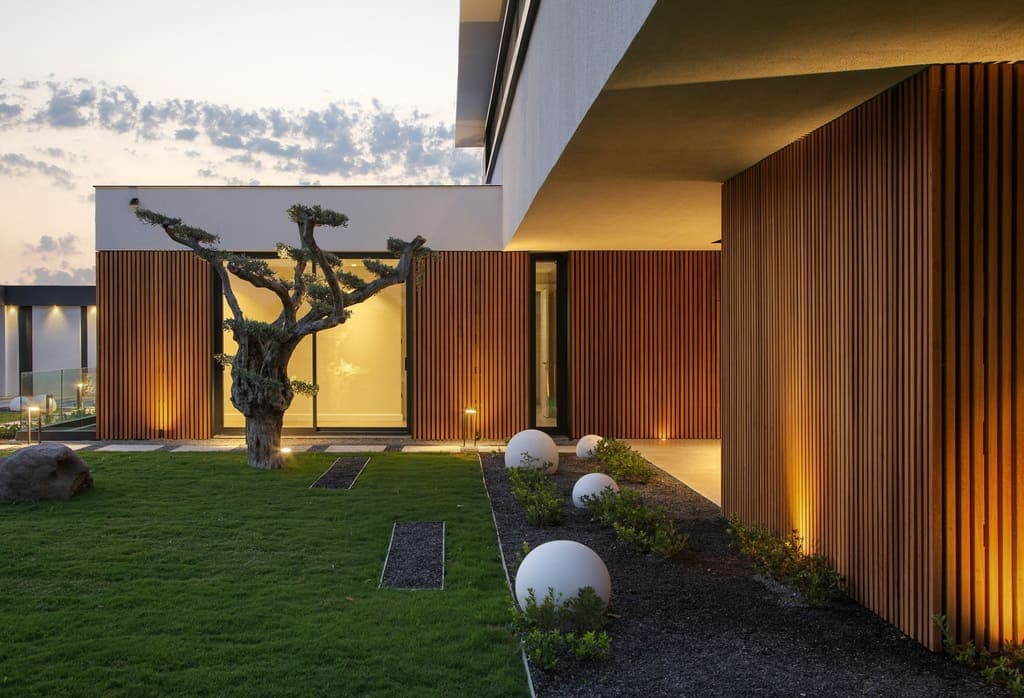
Initial Wall Assessment: What to Look For
Before any new material is installed, a comprehensive inspection of the existing wall is crucial. The primary concern is identifying and addressing any water intrusion, rot, mold, or structural weaknesses. Water damage can compromise the integrity of the substrate and lead to ongoing issues if not resolved.
Check for sagging, bowing, or unevenness in the existing wall surface. These issues can affect the final appearance and stability of the new Ayous siding. Also, inspect existing flashing around windows, doors, and rooflines, as these are common entry points for moisture. Any deficiencies here must be repaired or replaced before proceeding with the retrofit.
Substrate Preparation for Thermally Modified Ayous
Once any damage is addressed, prepare the existing substrate to provide a sound, level, and dry surface for the new Ayous. Depending on the existing wall material, this might involve removing old siding, repairing sheathing, or applying a new layer of weather-resistant barrier (WRB).
For exterior retrofits, a proper rainscreen assembly is often recommended. This involves creating a drainage plane and an air gap behind the Ayous siding, allowing moisture to escape and promoting ventilation. This system helps protect the underlying structure and enhances the long-term performance of the siding. For interior walls, ensuring the surface is clean, dry, and free of loose debris is typically sufficient.
Choosing the Right Ayous Profile for Your Retrofit
Thermally Modified Ayous is available in several profiles, each offering a distinct aesthetic and installation method. Fluted profiles, such as Fluted #5, are designed for architectural walls and ceilings, creating a textured look.
Consider the desired visual effect and the complexity of installation when selecting a profile. S4S E4E offers a clean, modern look, while V-Joint provides a more traditional paneling appearance with distinct shadow lines. The profile choice will influence the required substructure and fastening methods.
Lumber Plus offers custom milling for project-specific details, which can be particularly useful in retrofit scenarios where standard profiles might not perfectly align with existing architectural elements or desired aesthetics.
Worked Example: Retrofitting a 12-foot by 8-foot Interior Wall
1. **Area Calculation:** The wall area is 12 ft * 8 ft = 96 square feet.
2. **Board Coverage:** Each 1x6 V-Joint board, with an actual face width of 5.5 inches (0.458 feet), covers approximately 0.458 sq ft per linear foot. To cover 96 sq ft, you would need 96 sq ft / 0.458 sq ft/lin ft = approximately 209.6 linear feet of material.
3. **Wastage:** For cuts, mitered corners, and potential imperfections, it's wise to add 10-15% for waste. For 209.6 linear feet, adding 15% waste means 209.6 * 1.15 = 241.04 linear feet.
4. **Board Lengths:** Assuming boards are available in 8-foot lengths for this example (verify actual available lengths), you would need 241.04 linear feet / 8 feet/board = 30.13 boards. Round up to 31 boards to ensure sufficient material.
This calculation provides a hypothetical estimate. Always confirm actual board dimensions, available lengths, and recommended waste factors with your supplier. For exterior applications, additional considerations for furring strips, flashing, and trim would be necessary, impacting material quantities.
Installation Considerations for Ayous
Thermally Modified Ayous is known for its improved stability, which minimizes moisture response and seasonal movement. However, proper installation techniques are still essential for its long-term performance.
For vertical applications, ensure that the substructure (studs or furring strips) is plumb and level. Fasteners should be appropriate for the chosen profile and substrate, typically concealed fasteners for a clean aesthetic. Always follow manufacturer guidelines for fastening schedules and expansion gaps, if applicable, especially for exterior use. Proper ventilation is key, particularly in exterior or high-moisture interior environments like saunas, where Ayous is also well-suited.
Before you order
- Have I thoroughly inspected the existing wall for water damage, rot, mold, or structural issues?
- Are all identified problems with the existing wall (e.g., leaks, rot, unevenness) repaired or addressed?
- Is the existing substrate clean, dry, and structurally sound for the new Ayous installation?
- For exterior retrofits, have I planned for a weather-resistant barrier and a rainscreen assembly?
- Which Thermally Modified Ayous profile (e.g., S4S E4E, V-Joint, Fluted) best suits my aesthetic and functional requirements?
- Have I accurately measured the wall area and calculated the required linear footage of Ayous, including waste factor?
- Have I considered the necessary substructure (furring strips, blocking) to support the Ayous profile?
- Are the appropriate fasteners selected for the chosen Ayous profile and substrate?
- Have I reviewed the manufacturer's installation guidelines for the specific Ayous product?
- Are there any special considerations for detailing around windows, doors, or corners with the chosen profile?
Confirm installation details, approved uses and warranty terms in the current instructions for the exact product and profile. Your installer should verify the substrate, structure and applicable project requirements.
Questions to help you decide
Can Thermally Modified Ayous be installed directly over existing siding?
Generally, it is recommended to remove existing siding to properly inspect and prepare the substrate. Installing directly over old siding can conceal underlying issues, lead to an uneven finish, and complicate the creation of a proper rainscreen assembly for exterior applications. Always ensure a sound, level, and dry surface before installation.
Does Thermally Modified Ayous require a finish or sealant?
Thermally Modified Ayous has improved stability and can be left unfinished to weather naturally to a silver-gray patina. If you prefer to maintain its natural tan tone, or desire a specific color, it can be finished with a UV-protective oil or stain. Always test any finish on a scrap piece first to ensure the desired appearance.
Is Thermally Modified Ayous suitable for both interior and exterior wall retrofits?
Yes, Thermally Modified Ayous is versatile and well-suited for both interior and exterior vertical applications. Its low weight and improved dimensional stability make it a good choice for clean walls, ceilings, and soffits in various settings. For exterior use, proper detailing for moisture management, such as a rainscreen, is essential.
Ready to Transform Your Wall with Thermally Modified Ayous?
Request a material quote for your project. Provide your project dimensions, desired Ayous profile, and ZIP code to confirm current availability and service options for your retrofit.
Request a material quote →