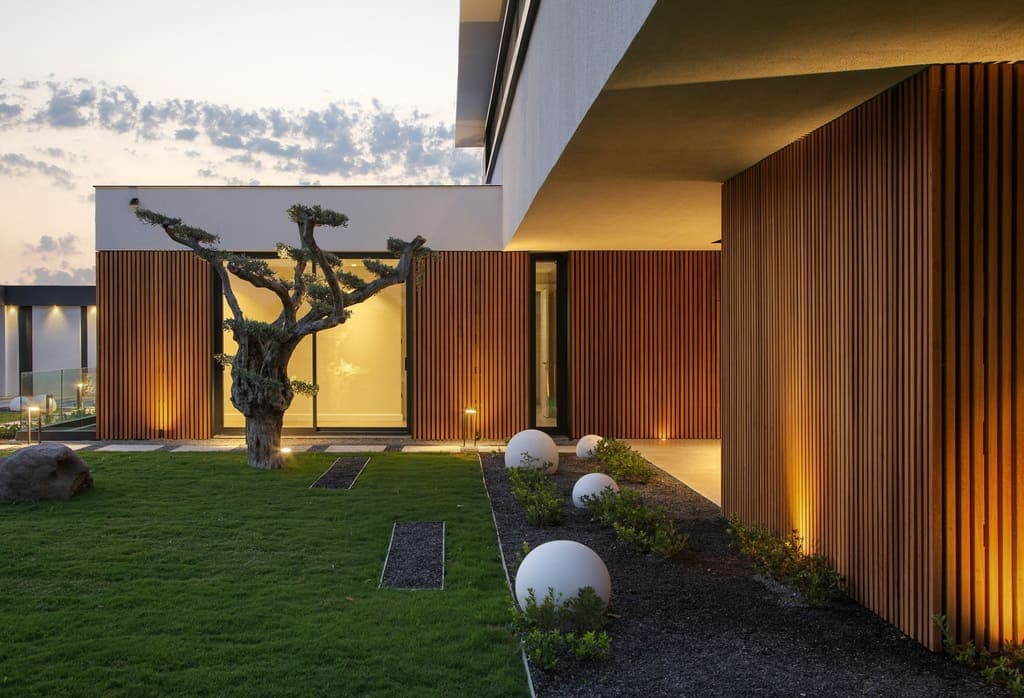
What is Thermally Modified Ayous?
Thermally modified Ayous is a real wood product derived from the Triplochiton scleroxylon tree, native to West and Central Africa. The thermal modification process involves heating the wood to high temperatures in a controlled environment, which alters its cellular structure. This process results in improved dimensional stability, meaning the wood is less prone to expanding and contracting with changes in moisture.
For interior applications, this enhanced stability is a significant advantage, as it helps prevent warping or gapping that can occur with untreated wood in fluctuating indoor conditions. The modification also imparts a consistent, signature tan tone throughout the wood, giving it a natural and uniform appearance. Its low weight makes it easier to handle, particularly for overhead or vertical installations.
Thermally modified Ayous is described as a lightweight real wood, well-suited for clean walls, ceilings, and soffits. It offers a calm grain and improved dimensional stability, making it ideal for applications where straight lines and easy handling are important. The natural tone and subtle grain pattern contribute to a sophisticated aesthetic.
Appearance and Aesthetic Appeal for Interior Spaces
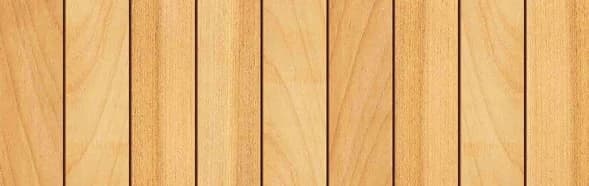
The aesthetic of thermally modified Ayous is characterized by its consistent natural tan tone and calm, straight grain. This appearance provides a clean and contemporary look that can complement a range of interior design styles, from minimalist to rustic chic. Unlike some woods with pronounced grain patterns or color variations, Ayous offers a more subdued and uniform backdrop.
This consistency makes it a versatile choice for feature walls, as it can highlight other design elements in the room without competing for attention. The thermal modification process ensures that the color is present throughout the wood, not just on the surface, which is beneficial for any cuts or edges that might be visible. This material can create a warm, inviting atmosphere while maintaining a refined aesthetic.
The natural tone of Ayous allows it to blend seamlessly with various color palettes, from cool grays to warm earth tones. Its subtle texture adds depth without being overly dominant, making it an excellent choice for creating a focal point that feels integrated into the overall design.
Available Profiles for Interior Feature Walls
Thermally modified Ayous is available in several profiles that can be utilized for interior feature walls, each offering a distinct look and installation method. The choice of profile impacts the final visual texture and shadow lines of your wall.
Common profiles include:
- **S4S E4E (Surfaced Four Sides, Eased Four Edges):** This profile offers a smooth, clean finish with slightly rounded edges. It can be installed with a visible gap for a modern, shiplap-like effect or with minimal gapping for a more monolithic appearance. Nominal sizes include 1 × 6, 1 × 8, 1 × 10, 2 × 2, 2 × 4, and 2 × 6, which are also suitable for trim and molding applications.
- **V-Joint / Nickel Gap:** This profile creates a distinctive V-shaped groove or a narrow, consistent gap between boards, adding architectural detail and shadow lines. It is suitable for wall systems and ceilings.
- **Fluted #5:** This profile features a series of parallel flutes or grooves, creating a textured surface that adds significant visual interest and plays with light and shadow. It is specifically noted for architectural walls and ceilings.
The ability to custom mill compatible orders allows for project-specific details, offering flexibility in achieving a unique design for your feature wall. Consider how each profile will interact with the room's lighting and overall design aesthetic.
Installation Considerations for Interior Applications
Installing thermally modified Ayous as an interior feature wall requires careful planning to ensure a professional finish. Due to its improved dimensional stability, it is generally easier to work with than untreated wood, but proper acclimation and fastening are still crucial.
Before installation, allow the wood to acclimate to the interior environment for several days. This helps the material adjust to the room's temperature and humidity, further minimizing potential movement after installation. For fastening, consider using blind fasteners or adhesives where appropriate to maintain a clean, uninterrupted surface, especially with S4S E4E profiles. For V-Joint or Fluted profiles, exposed fasteners might be part of the design or hidden within the grooves.
Ensure the substrate is clean, dry, and structurally sound. Depending on the profile and desired aesthetic, a furring strip system may be used to create an air gap behind the boards, which can be beneficial for sound dampening or to allow for electrical wiring. Precise measurements and cuts are essential for a seamless installation, particularly when working with intricate patterns or around outlets and switches.
Finishing and Maintenance for Interior Walls
While thermally modified Ayous has a natural tan tone, applying a finish can enhance its appearance and provide an extra layer of protection. For interior feature walls, a clear coat or a light stain can deepen the wood's color or add a subtle sheen without masking its natural beauty. Water-based polyurethanes or oils are common choices, offering durability and ease of application.
The thermal modification process makes the wood less susceptible to fungal decay and insect attack, which are typically outdoor concerns. For interior walls, the primary maintenance involves occasional dusting or wiping with a damp cloth to keep the surface clean. Avoid harsh abrasive cleaners that could damage the finish or the wood itself.
Should the feature wall be in a high-traffic area or prone to splashes, a more durable finish might be considered. Always test any finish on a scrap piece of Ayous to ensure the desired look and compatibility before applying it to the entire wall.
Before you order
- Measure the feature wall dimensions accurately: Length, height, and any obstructions like windows or outlets.
- Consider the room's lighting: How will natural and artificial light interact with the chosen profile and finish?
- Plan for installation: Will you use blind fasteners, exposed fasteners, or adhesive? Is a furring strip system needed?
- Choose a finish: Do you want a natural, unfinished look (though a clear coat is often recommended for protection), or a specific stain/color?
- Review local building practices: Confirm any specific requirements for interior wood applications.
- Request a material quote: Provide exact dimensions, preferred profile, and your ZIP code for accurate pricing and availability.
Confirm installation details, approved uses and warranty terms in the current instructions for the exact product and profile. Your installer should verify the substrate, structure and applicable project requirements.
Questions to help you decide
Can thermally modified Ayous be painted?
While it is possible to paint thermally modified Ayous, its natural tan tone and subtle grain are often desired for their aesthetic appeal. If painting, proper priming is essential for good adhesion and a durable finish. However, many users choose clear coats or light stains to highlight the wood's inherent beauty rather than covering it.
How do I clean a thermally modified Ayous feature wall?
For routine cleaning, a soft, dry cloth or a duster is usually sufficient. For more stubborn marks, a damp cloth with a mild, non-abrasive cleaner can be used, followed by drying the surface immediately. Avoid excessive moisture or harsh chemical cleaners, as these can damage the wood or its finish over time.
Is thermally modified Ayous suitable for high-humidity interior areas like bathrooms?
Thermally modified Ayous offers improved dimensional stability, making it more resistant to moisture fluctuations than untreated wood. While it can be considered for bathrooms, proper ventilation is still crucial. A durable, moisture-resistant finish should be applied to protect the wood from direct water exposure and high humidity. It is important to ensure the bathroom is well-ventilated to prevent prolonged exposure to high moisture levels.
Ready to Transform Your Interior with Thermally Modified Ayous?
Request a material quote for your project. Provide your project dimensions, desired profile (e.g., S4S E4E, V-Joint, Fluted #5), and ZIP code to confirm current availability and service options. Our team can help you select the ideal thermally modified Ayous for your interior feature wall.
Request a material quote →