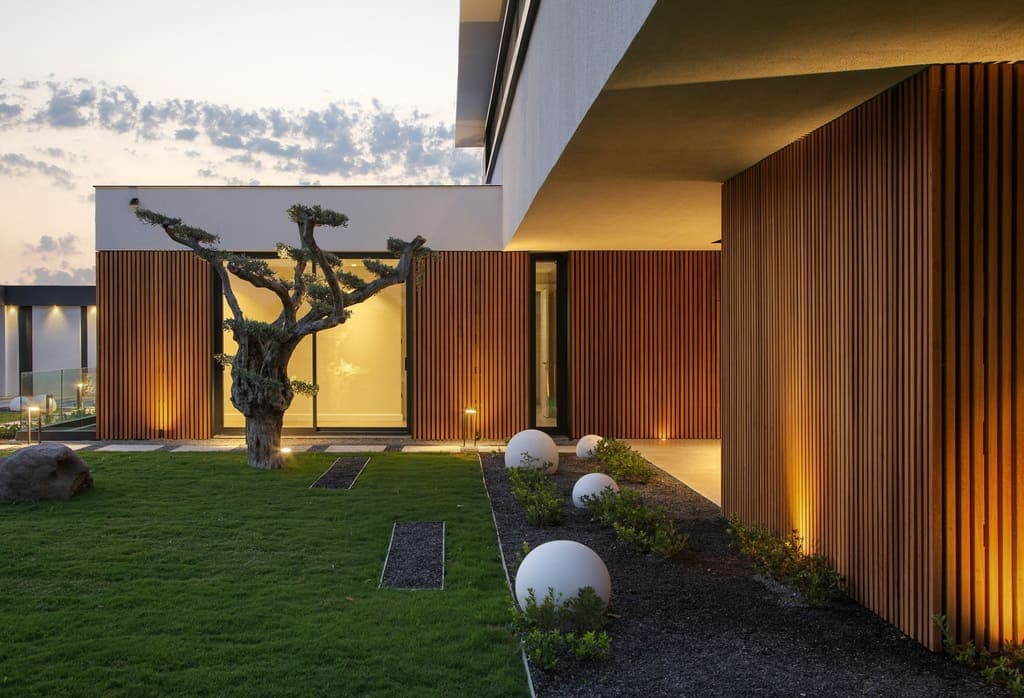
Understanding Thermally Modified Ayous Properties
Thermally modified Ayous (Triplochiton scleroxylon) undergoes a high-heat treatment process that alters its cellular structure. This modification significantly reduces the wood's moisture absorption and improves its dimensional stability, making it less prone to swelling, shrinking, and warping compared to untreated wood. These properties are beneficial for exterior applications like cladding, where exposure to varying humidity and temperatures is common.
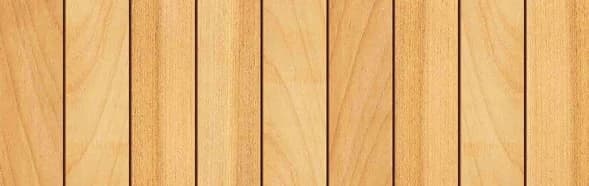
The thermal modification process also imparts a consistent, darker color throughout the wood and can make the material slightly more brittle than its untreated counterpart. This increased brittleness means that pre-drilling pilot holes for fasteners is often recommended to prevent splitting, especially near board ends or edges. The wood's natural tan tone is a signature characteristic, which means any staining from incompatible fasteners will be highly visible.
Ayous is particularly valued for its low weight, which eases handling during installation, especially in overhead applications such as ceilings and soffits. Its calm grain contributes to a clean, uniform aesthetic, which is often a primary design objective for projects utilizing this material.
Corrosion Resistance: The Foremost Consideration
The most crucial factor in fastener selection for thermally modified Ayous, particularly in exterior or high-humidity environments, is corrosion resistance. Wood, especially when exposed to moisture, can contain compounds that react with certain metals, leading to corrosion of the fastener and staining of the wood. Thermally modified wood, while more stable, still requires careful consideration.
Stainless steel is generally the preferred material for fasteners used with thermally modified Ayous. Specifically, 304 or 316 grade stainless steel offers excellent corrosion resistance. Grade 316 is particularly recommended for coastal environments or areas with high humidity, industrial pollution, or exposure to de-icing salts, as it provides superior resistance to chlorides.
Avoid using galvanized steel, plain steel, or aluminum fasteners with thermally modified Ayous for exterior applications. These materials can corrode, causing unsightly black or dark grey stains (tannin bleed) on the wood surface and compromising the structural integrity of the fastening over time. Even interior applications in humid areas like bathrooms or saunas should use corrosion-resistant fasteners.
Fastener Type and Installation Method
The type of fastener and installation method will depend on the specific Ayous profile and its application. Each may lend itself to different fastening strategies.
For exposed fastening, where the fastener head is visible, trim head screws made of stainless steel are often chosen for their small, discreet profile. These screws offer strong holding power and can be countersunk for a flush finish.
Hidden fastening systems are increasingly popular for a clean, uninterrupted wood surface. These systems typically involve clips or specialized fasteners that attach to the back or edge of the board, securing it to the substructure without visible fasteners on the face. Always verify that any hidden fastening system is designed for use with thermally modified wood and uses corrosion-resistant components.
Nails can be used for certain applications, especially for interior work or where a more traditional aesthetic is desired. Stainless steel ring-shank nails or finish nails are suitable. When nailing, ensure sufficient penetration into the framing. Due to the potential for splitting, particularly with the increased brittleness of thermally modified wood, pre-drilling pilot holes is highly advisable for both screws and nails, especially when fastening close to board ends or edges.
Substrate and Structural Considerations
The type of substructure you are fastening to will also influence fastener selection. Whether it's wood framing, metal studs, or concrete, the fastener must be compatible with both the Ayous and the receiving material. For wood substrates, standard wood screws or nails are appropriate, provided they meet the corrosion resistance requirements.
For metal substructures, self-tapping stainless steel screws designed for metal applications are necessary. Always ensure that the fastener length is adequate to engage fully with the metal framing without stripping. When fastening to concrete or masonry, specialized stainless steel anchors or screws designed for these materials should be used, often requiring pre-drilling and specific installation tools.
Regardless of the substrate, ensure that the substructure itself is sound, level, and provides adequate support for the thermally modified Ayous. Proper spacing and ventilation behind cladding are also important for the long-term performance of both the wood and the fasteners.
Worked Example: Fastener Selection for a V-Joint Ayous Cladding Project
Consider a hypothetical exterior cladding project using 1x6 V-Joint Thermally Modified Ayous for a residential facade in a moderate climate. The design calls for a vertical installation on a standard wood-framed wall with a rainscreen assembly.
Given the exterior application and moderate climate, stainless steel fasteners are essential to prevent corrosion and staining. For a V-Joint profile, a hidden fastening system is often preferred to maintain the clean lines. If a hidden clip system is used, verify that the clips themselves are made from corrosion-resistant material and are compatible with the 1x6 V-Joint profile and the rainscreen furring strips.
These screws would be countersunk into the V-joint's relief or discreetly placed to minimize visibility.
Before you order
- Verify application (exterior/interior, wet/dry, exposed/hidden).
- Determine fastener type: Screws (trim head recommended), nails (ring-shank), or hidden clips.
- Confirm fastener length based on Ayous thickness, rainscreen gap, and substrate penetration.
- Plan for pre-drilling pilot holes to prevent splitting.
- Ensure compatibility with substructure material (wood, metal, concrete).
- Consider the aesthetic impact of exposed fasteners and choose accordingly.
Confirm installation details, approved uses and warranty terms in the current instructions for the exact product and profile. Your installer should verify the substrate, structure and applicable project requirements.
Questions to help you decide
Can I use galvanized screws with thermally modified Ayous?
No, it is generally not recommended to use galvanized screws with thermally modified Ayous, especially for exterior applications. Galvanized coatings can react with wood compounds, leading to corrosion of the fastener and unsightly staining (black streaks) on the Ayous surface.
Do I need to pre-drill holes for fasteners in thermally modified Ayous?
Yes, pre-drilling pilot holes is highly recommended for thermally modified Ayous. The thermal modification process can make the wood slightly more brittle than untreated wood, increasing the risk of splitting, especially when fastening near board ends or edges. Pre-drilling helps to ensure a clean, secure fastening without damaging the material.
What is the best type of fastener for a hidden fastening system with Ayous cladding?
For hidden fastening systems with Ayous cladding, the best type of fastener is typically a specialized clip or screw system designed to engage the back or edge of the board. It is crucial that these components are made from corrosion-resistant materials, such as stainless steel, to prevent staining and ensure long-term stability. Always verify the hidden fastening system's compatibility with thermally modified wood and your specific Ayous profile.
Ready to Select Your Thermally Modified Ayous?
Request a material quote with your project dimensions, exact profile, and ZIP code. We can help confirm current availability and service options for your project. Explore our range of Thermally Modified Ayous products and complementary siding and cladding options.
Request a material quote →