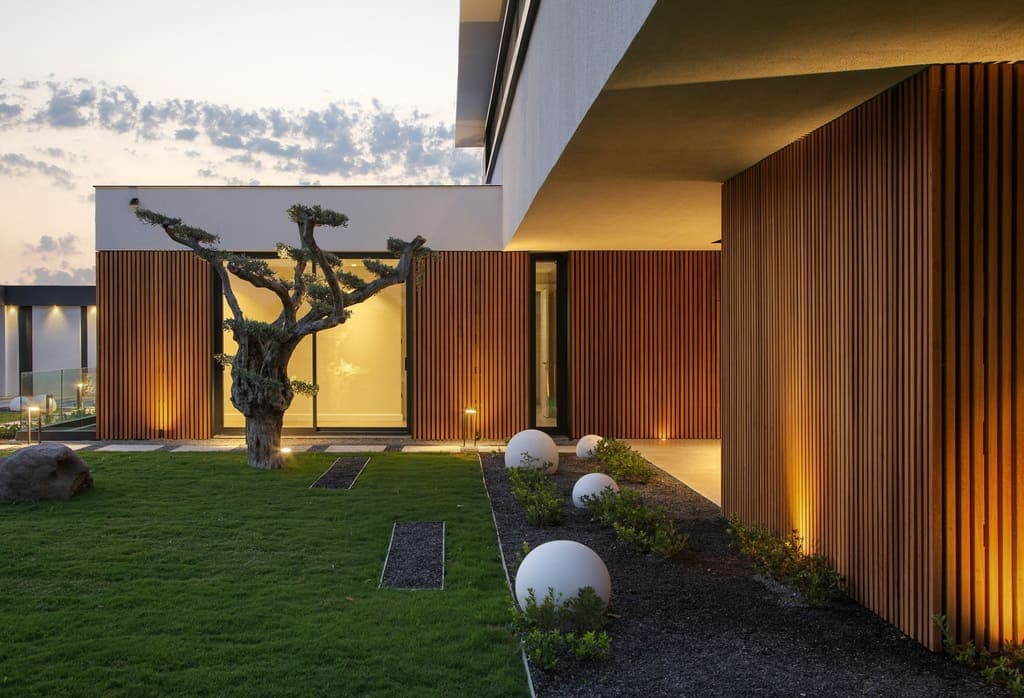
Assessing Your Existing Facade
Before any new material is installed, a thorough assessment of the existing facade is crucial. Look for signs of water intrusion, rot, insect damage, or structural instability. Any existing siding, stucco, or other finishes should be inspected for secure attachment and integrity. Pay close attention to areas around windows, doors, and rooflines, as these are common points for moisture entry.
Document the current condition with photos and notes. This assessment helps determine the scope of necessary repairs, which might include patching, sealing, or even localized replacement of sheathing or framing. A sound substrate is fundamental for the longevity and performance of your new Thermally Modified Ayous facade.
Choosing Thermally Modified Ayous Profiles
Thermally Modified Ayous is available in several profiles, each offering a distinct aesthetic for your facade refresh. The "S4S E4E" profile provides a clean, square-edged look suitable for siding and ceilings. For a more defined shadow line, the "V-Joint / Nickel Gap" profile is a popular choice for siding and wall systems, creating a subtle channel between boards.
For architectural emphasis, the "Fluted #5" profile offers a textured surface that can add visual interest to walls and ceilings. Additionally, "S4S E4E" in larger dimensions (1 × 8, 1 × 10, 2 × 2, 2 × 4, 2 × 6) can be used for trim and molding to complement the primary cladding. The choice of profile will significantly influence the overall character of your refreshed facade.
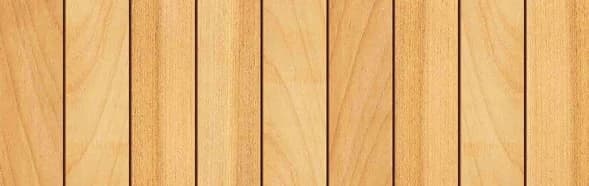
Thermally Modified Ayous's natural tan tone and calm grain contribute to a clean, modern aesthetic. Its low weight makes it easier to handle during installation, particularly in overhead or elevated applications. The thermal modification process enhances its dimensional stability, reducing its response to moisture and minimizing seasonal movement, which is beneficial for exterior applications.
Planning for Substructure and Ventilation
When installing Thermally Modified Ayous cladding over an existing facade, proper substructure and ventilation are critical. A rainscreen assembly is often recommended, involving a ventilated air gap between the cladding and the weather-resistant barrier (WRB) on the wall. This gap allows moisture to drain and air to circulate, helping to prevent moisture accumulation and extend the life of the facade.
The substructure typically consists of furring strips or battens installed over the existing wall, creating the necessary air space. These strips should be securely fastened into structural elements of the wall. The spacing and orientation of the furring strips will depend on the chosen Thermally Modified Ayous profile and the desired cladding orientation (horizontal or vertical). Ensure that insect screening is incorporated at the top and bottom of the rainscreen cavity to prevent pests from entering.
Worked Example: Adding a Vertical Ayous Accent
Imagine refreshing a 10-foot wide by 8-foot high section of an existing stucco facade above a garage door, transforming it into a vertical wood accent.
First, after preparing the existing stucco and ensuring a sound WRB, we would install vertical furring strips, spaced approximately 16 inches on center, securely fastened through the stucco into the wall studs. These furring strips create the rainscreen gap. For a 10-foot width, you'd need roughly 8 furring strips (120 inches / 16 inches = 7.5).
Next, calculate the number of Ayous boards needed. The 10-foot (120-inch) width, divided by the approximate 5.5-inch coverage per board, means we need about 21.8 boards (120 / 5.5). Rounding up, we would purchase 22 boards. Each board needs to be 8 feet long. To minimize waste, consider ordering 10-foot or 12-foot lengths and cutting them on site, or specify exact 8-foot lengths if available.
This example demonstrates how to plan material quantities based on the project dimensions and chosen profile, while also accounting for the necessary substructure for a durable facade.
Considering Finishes and Long-Term Appearance
Thermally Modified Ayous naturally presents a signature tan tone. If left unfinished, the wood will gradually weather to a silvery-gray patina over time due to UV exposure. This natural aging process is often desired for a low-maintenance, organic aesthetic.
Alternatively, an exterior-grade finish can be applied to preserve the original color or to introduce a specific hue. If a finish is chosen, it's important to understand that regular maintenance (reapplication) will be required to sustain its appearance and protective qualities. Consider the desired long-term aesthetic and the commitment to maintenance when making this decision. Always follow the finish manufacturer's instructions for application and reapplication.
Before you order
- Assess existing facade for damage (water, rot, insects, structural issues).
- Identify necessary repairs to the existing substrate and weather-resistant barrier.
- Plan for a rainscreen assembly with appropriate furring strips and ventilation.
- Calculate the quantity of Ayous boards needed, accounting for cuts and potential waste.
- Decide on a finish: natural weathering or applied stain/sealant with a maintenance plan.
- Consider complementary materials like trim and molding (available in S4S E4E profiles).
- Review local building codes and obtain any necessary permits for facade modifications.
Confirm installation details, approved uses and warranty terms in the current instructions for the exact product and profile. Your installer should verify the substrate, structure and applicable project requirements.
Questions to help you decide
What makes Thermally Modified Ayous suitable for facade refreshes?
Thermally Modified Ayous is a lightweight wood with improved dimensional stability, meaning it is less prone to expanding and contracting with changes in moisture. This makes it a good choice for exterior applications like facades where consistent appearance and durability are valued. Its calm grain and natural tan tone also offer a clean aesthetic. It is especially well-suited for overhead and vertical applications where ease of handling is a benefit.
Can Thermally Modified Ayous be installed directly over existing siding?
While it's possible to install Thermally Modified Ayous over an existing facade, it's crucial to first ensure the existing wall is sound, dry, and properly sealed with a weather-resistant barrier. A rainscreen assembly, which includes a ventilated air gap created by furring strips, is highly recommended. This gap allows for drainage and air circulation, protecting the wall structure and the new cladding.
How do I maintain Thermally Modified Ayous on a facade?
The maintenance for Thermally Modified Ayous depends on whether it's finished or left natural. If left unfinished, it will weather to a silvery-gray patina over time, requiring minimal maintenance beyond periodic cleaning to remove dirt or debris. If a finish is applied, it will require reapplication according to the finish manufacturer's instructions to maintain its color and protective properties.
Request a Quote for Your Facade Refresh Project
Ready to transform your facade with Thermally Modified Ayous? Contact us with your project dimensions, desired profile, and ZIP code to receive a material quote. We can help confirm current availability and service options for your location. Explore our range of Thermally Modified Ayous products and profiles today: Thermally Modified Ayous, Siding and Cladding, Thermally Modified Wood.
Request a material quote →