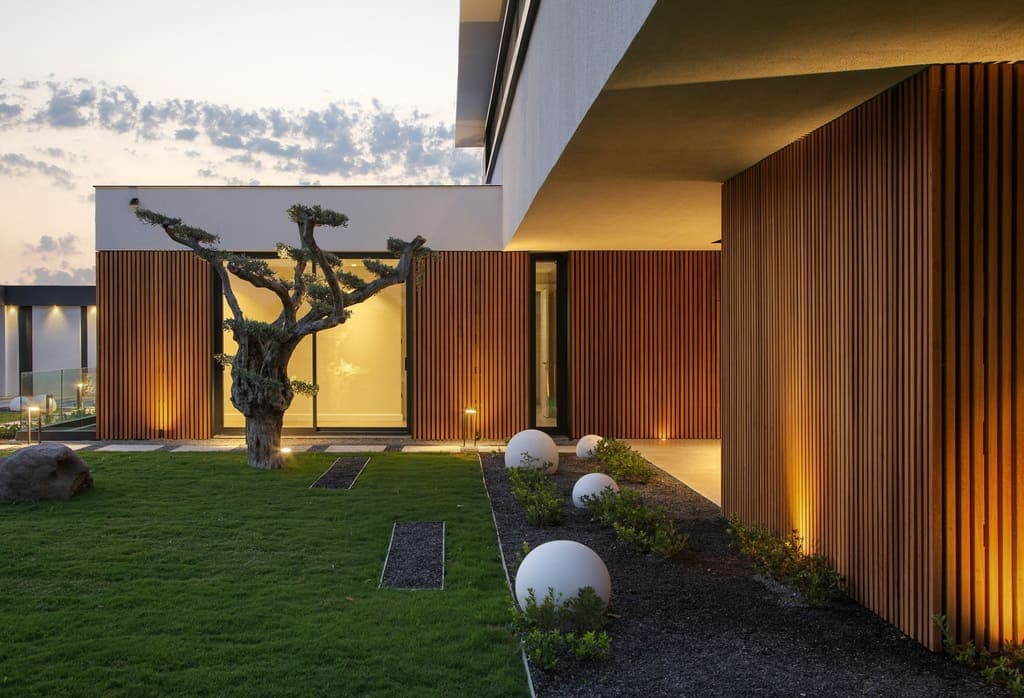
Why Choose Thermally Modified Ayous for an Entry Accent?
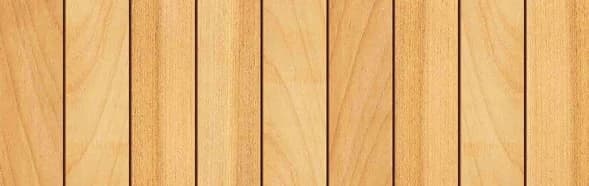
Thermally modified Ayous offers a unique combination of aesthetic appeal and practical benefits for an entry accent. Its natural tan tone and calm grain provide a sophisticated, understated backdrop that can complement various architectural styles. The thermal modification process enhances the wood's dimensional stability, which means it is less prone to the expansion and contraction often seen with untreated wood when exposed to fluctuating outdoor conditions. This improved stability helps maintain the integrity and appearance of the cladding over time.
The low weight of Ayous also makes it easier to handle during installation, particularly for vertical applications or when working overhead. This can simplify the construction process and potentially reduce labor time. When considering a material for an entry accent, these attributes contribute to both the visual impact and the long-term performance of the installation.
For more on the general properties of this material, see the product page for Thermally Modified Ayous.
Selecting the Right Profile for Your Entry Accent
The profile of your thermally modified Ayous cladding significantly impacts the final look of your entry accent. Different profiles create distinct shadow lines and textures.
An S4S E4E profile provides a clean, contemporary look with minimal shadow lines, ideal for a sleek, modern aesthetic. The V-Joint / Nickel Gap profile, in contrast, creates a more defined linear pattern with subtle grooves between boards, adding depth and architectural interest. For a more textured and sculptural effect, a Fluted #5 profile can be considered for architectural walls. Your choice should align with the overall design vision for your home's exterior and the desired visual impact of the entry accent.
Consider how the chosen profile interacts with the natural light throughout the day, as varying light conditions will highlight different aspects of the wood's texture and shadow play.
Coordinating with Doors and Lighting
The entry accent should seamlessly integrate with the existing or planned entry door and lighting fixtures. If your door features a dark finish, a natural tan Ayous accent can provide a warm contrast. Conversely, a light-colored door might benefit from a slightly darker finish on the Ayous, if desired, to create visual depth. Pay attention to the undertones of both the door and the Ayous to ensure they complement each other.
Lighting plays a crucial role in highlighting your entry accent, especially during evening hours. Up-lighting or down-lighting fixtures can emphasize the texture and profile of the Ayous. Consider integrated lighting within the cladding itself, or strategically placed sconces that cast interesting shadows. The goal is to create a welcoming glow that draws attention to the architectural detail of the accent wall without overwhelming it. For additional inspiration, explore our selection of siding and cladding options.
Managing Weather Exposure and Durability
While thermally modified Ayous offers improved stability, it is still a natural wood product. For an exterior entry accent, it will be exposed to varying weather conditions. While the thermal modification process enhances its resistance to moisture response, direct and prolonged exposure to rain and sun can still affect its appearance over time. Expect the wood to gradually silver or gray if left unfinished, a natural aging process for many wood species.
To maintain the original tan tone, a UV-protective finish can be applied and periodically reapplied as part of a maintenance routine. Ensure proper flashing and drainage details are incorporated into the design to prevent water from pooling behind or on the cladding. Adequate overhangs or recessed entry designs can also offer some protection from direct weather, extending the life of the finish and helping to preserve the wood's appearance.
Consider our Maximo Accoya products for projects requiring exceptional outdoor durability.
Worked Example: A 6-Foot by 9-Foot Entry Accent Wall
To calculate the number of boards needed for the 6-foot (72-inch) width:
1. Convert the width to inches: 6 feet * 12 inches/foot = 72 inches.
2. Divide the total width by the coverage width of one board: 72 inches / 5.125 inches/board 14.04 boards. Since you cannot purchase a fraction of a board, you would need to purchase 15 boards to cover the width. Each board will be cut to the 9-foot length (108 inches).
Therefore, for this accent wall, you would need 15 boards, each 9 feet long. This calculation does not account for waste due to cuts, which should always be factored in. A common practice is to add 10-15% extra for waste, depending on the complexity of the cuts and the installer's experience. For this simple rectangular wall, 10% extra would mean ordering 17 boards (15 * 1.1 = 16.5, rounded up to 17).
It is always recommended to confirm actual board coverage dimensions with your supplier before ordering, as milling tolerances can vary slightly. For more technical resources, refer to our Norx brand information.
Before you order
- Determine the exact dimensions of your entry accent wall.
- Select a thermally modified Ayous profile that complements your home's architectural style.
- Consider how the accent wall will interact with your entry door and lighting fixtures.
- Plan for weather exposure, including potential for natural silvering or the need for a protective finish.
- Calculate the required quantity of boards, including an allowance for waste.
- Consult with a professional installer for complex designs or challenging site conditions.
Confirm installation details, approved uses and warranty terms in the current instructions for the exact product and profile. Your installer should verify the substrate, structure and applicable project requirements.
Questions to help you decide
Can thermally modified Ayous be painted or stained?
Yes, thermally modified Ayous can be painted or stained. While it has a natural tan tone, applying a stain can alter its color to better match your design palette. If you wish to preserve the original color and protect it from UV graying, a clear UV-protective finish is recommended. Always follow the finish manufacturer's instructions for application and maintenance.
How does thermally modified Ayous compare to other wood species for exterior accents?
Thermally modified Ayous offers improved dimensional stability and a calm grain pattern, making it a good choice for exterior applications where a consistent appearance is desired. Its lighter weight can also be an advantage during installation. Other species, such as cedar or redwood, also offer natural weather resistance, but may have different grain patterns, colors, and stability characteristics. The 'best' choice often depends on specific aesthetic preferences, budget, and local climate conditions.
What kind of maintenance does an Ayous entry accent require?
The level of maintenance for a thermally modified Ayous entry accent depends on whether you choose to let it weather naturally or maintain its original color. If left unfinished, it will gradually develop a silver-gray patina, requiring minimal maintenance beyond occasional cleaning. To retain the original tan color, a UV-protective oil or finish should be applied after installation and periodically reapplied according to the product manufacturer's recommendations. Regular cleaning to remove dirt and debris is advisable for any exterior wood application.
Ready to Enhance Your Entry with Thermally Modified Ayous?
Request a material quote with your project dimensions, exact profile preference, and ZIP code to confirm current availability and service options. Our team can assist you in planning your thermally modified Ayous entry accent.
Request a material quote →