
Understanding Thermally Modified Ayous Material Characteristics
Thermally Modified Ayous is a lightweight wood, which can simplify handling compared to denser species. Its thermal modification process enhances dimensional stability, reducing its response to moisture and seasonal movement. This improved stability is a key benefit, but it also means the material, while robust, should still be protected from environmental extremes and physical damage during storage.
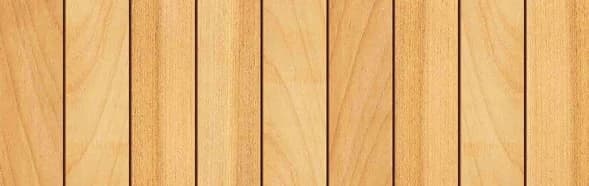
The natural tan tone of Ayous, a characteristic of its origin from West and Central Africa, is part of its appeal for clean walls, ceilings, and soffits. Maintaining this appearance requires careful handling to avoid scuffs, dirt, or water stains that could impact the final aesthetic.
Pre-Delivery Site Assessment and Preparation
Before your Thermally Modified Ayous arrives, assess your jobsite for optimal delivery and storage. Consider the access routes for a delivery truck, the space needed for unloading, and a secure, level area for storage. Confirm that the delivery vehicle can safely navigate your driveway or access road and has ample space to maneuver and unload.
Identify a storage location that is protected from direct sunlight, rain, and ground moisture. This area should also be secure from theft or vandalism. A covered, well-ventilated space, such as a garage, carport, or temporary shelter, is ideal. Ensure the ground is clear of debris and that you have a method for elevating the material off the ground, such as with dunnage or pallets.
Receiving Your Thermally Modified Ayous Delivery
Upon delivery, carefully inspect all bundles of Thermally Modified Ayous. Check the quantity against your packing list and examine the material for any signs of shipping damage, such as broken banding, severe dents, or excessive moisture. Document any discrepancies or damage with photographs and note them on the delivery receipt before signing.
Ensure you have adequate personnel or equipment to safely unload the material. While Ayous is lightweight, long lengths can still be cumbersome. Plan for assistance to prevent injury or damage to the wood during unloading. Once unloaded, transport the material directly to your prepared storage location.
Optimal On-Site Storage Practices
Proper storage is essential to maintain the quality of your Thermally Modified Ayous. Store the material flat and supported evenly along its entire length to prevent warping or bowing. Use dunnage or stickers placed every 2-3 feet to elevate the bundles off the ground, allowing for air circulation and preventing moisture absorption.
Keep the material in its original packaging as long as possible. If bundles are opened, re-cover the wood with a breathable, waterproof tarp or sheeting to protect it from rain, humidity fluctuations, and UV exposure. Avoid storing Thermally Modified Ayous directly on concrete or asphalt surfaces, as these can transfer moisture and heat. Ensure good ventilation around the stored material to prevent condensation and mold growth.
Jobsite Access and Workflow Integration
Plan how the Thermally Modified Ayous will move from storage to the installation area. Consider the path, any obstacles, and the tools needed for transport. If working on multiple levels, think about how the material will be lifted safely. Minimize the distance and handling required to reduce the risk of damage.
Integrate material staging into your project workflow. Only bring the amount of material needed for immediate installation to the work area to avoid clutter and potential damage. Keep cut ends and unused pieces organized and returned to proper storage if they are to be saved. This methodical approach ensures material is always readily available without creating hazards or unnecessary exposure to the elements.
Worked Example: Staging Thermally Modified Ayous for a Wall Cladding Project
Consider a hypothetical project requiring 100 pieces of 1x6 (nominal size) Thermally Modified Ayous, each 16 feet long, for a wall cladding application. The total material length is 1,600 linear feet. Given typical bundle sizes, this might arrive in 10 bundles of 10 pieces each.
First, assess the delivery vehicle access. If your driveway is 12 feet wide, a standard flatbed truck can likely maneuver. Identify a level, paved area near the project, approximately 20 feet long by 10 feet wide, clear of overhead obstructions for unloading. This allows space for the bundles and a forklift or manual handling. For storage, a 20x10 foot covered carport adjacent to the house is chosen. This carport has a gravel base, so 4x4 lumber will be used as dunnage, spaced every 2 feet, to keep the Ayous bundles elevated at least 6 inches off the ground. A breathable tarp is on hand to cover any opened bundles.
Upon delivery, two people are available to assist the driver with offloading and carrying the bundles to the carport, ensuring no individual piece is dragged or dropped. The bundles are stacked neatly, with dunnage between layers for air circulation. As installation progresses, a rolling cart is used to transport 5-6 pieces at a time from the carport to the wall being clad, minimizing trips and keeping the main storage area undisturbed. This organized approach helps protect the material and streamlines the installation.
Before you order
- Confirm delivery truck access and turning radius for your site.
- Identify a clear, level, and secure unloading zone.
- Designate a covered, well-ventilated, and moisture-free storage area.
- Ensure dunnage or pallets are available to elevate materials off the ground.
- Arrange for sufficient personnel or equipment for safe unloading.
- Plan the pathway for moving materials from storage to the installation point.
- Verify the quantity and condition of materials upon arrival, noting any issues.
- Have breathable tarps or sheeting ready to protect stored materials.
- Consider the project timeline and how long materials will be stored on site.
- Communicate delivery and storage plans with your contractor or installation team.
Confirm installation details, approved uses and warranty terms in the current instructions for the exact product and profile. Your installer should verify the substrate, structure and applicable project requirements.
Questions to help you decide
Can Thermally Modified Ayous be stored outdoors?
While Thermally Modified Ayous has improved stability, it is best to store it in a covered, well-ventilated area that protects it from direct rain, snow, and prolonged direct sunlight. If outdoor storage is unavoidable, ensure it is elevated off the ground, covered with a breathable, waterproof tarp, and protected from standing water and extreme humidity fluctuations.
How soon after delivery should Thermally Modified Ayous be installed?
Thermally Modified Ayous should be allowed to acclimatize to the local environmental conditions for a few days to a week prior to installation, especially if there's a significant difference between the storage environment and the installation site. Always follow the manufacturer's specific recommendations for acclimatization and installation timing.
What should I do if my Thermally Modified Ayous arrives damaged?
If your Thermally Modified Ayous arrives with visible damage, document it immediately. Take clear photos of the damaged material and the packaging. Note the damage on the delivery receipt before signing it. Contact your supplier immediately with this information to report the issue and discuss replacement or resolution options.
Ready to Plan Your Thermally Modified Ayous Project?
We can confirm current availability and discuss service options for your location. Explore our full range of <a href="/thermally-modified-wood/ayous">Thermally Modified Ayous profiles</a>, <a href="/siding-and-cladding">siding and cladding options</a>, and other <a href="/thermally-modified-wood">thermally modified wood products</a>.
Request a material quote →