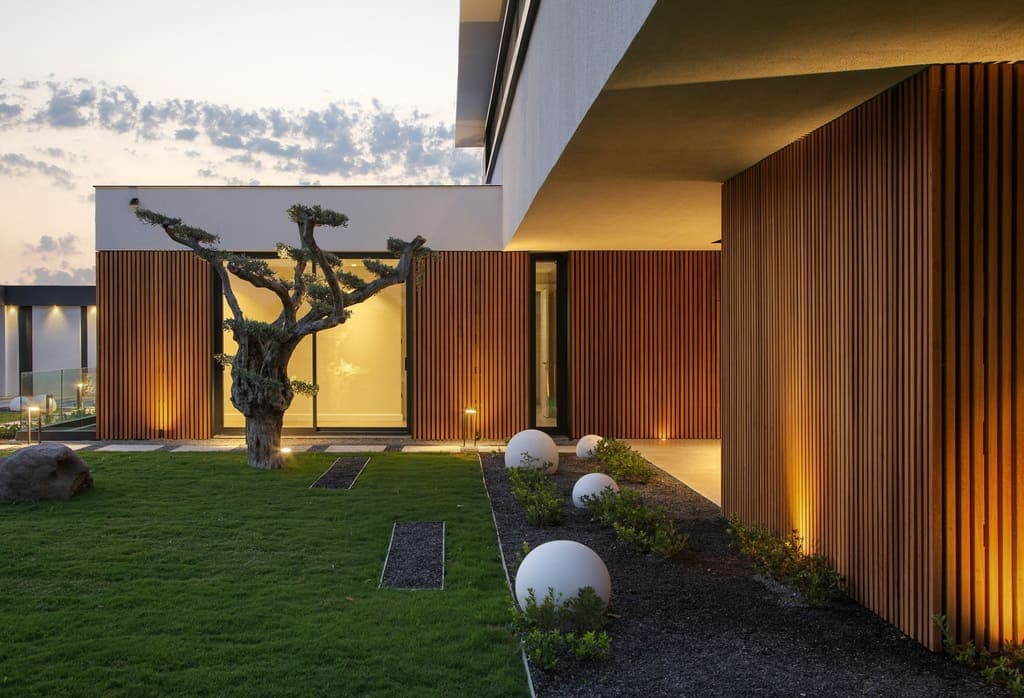
Understanding Thermally Modified Ayous for Facades
Thermally modified Ayous is a lightweight wood species known for its improved dimensional stability. This modification process enhances its resistance to moisture and reduces seasonal movement, making it suitable for exterior applications like cladding. Its calm grain pattern provides a consistent base for various finishes, including those intended to create a dark aesthetic.
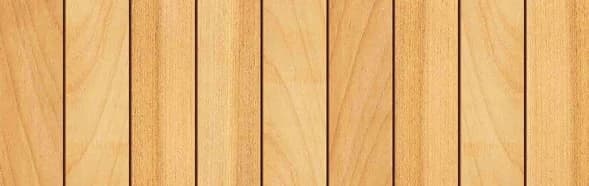
The natural color of thermally modified Ayous is a signature tan tone. To achieve a dark facade, a finish must be applied. It is important to select a finish that is compatible with thermally modified wood and designed for exterior exposure. The inherent properties of Ayous, such as its low weight, also contribute to easier handling during installation, particularly for vertical applications.
Thermally modified Ayous is well-suited for walls and cladding. Fluted #5 profile in 1x6 is also available for architectural walls, offering texture and shadow lines that can enhance a dark finish.
Achieving a Dark Finish: Options and Considerations
To achieve a dark facade with thermally modified Ayous, a suitable exterior-grade finish is required. This typically involves stains or paints specifically formulated for wood cladding. Darker stains allow some of the wood grain to show through, offering a rich, natural appearance, while opaque paints provide a solid color. The choice between stain and paint will influence the final aesthetic and the maintenance schedule.
When selecting a dark finish, consider its UV resistance. Dark colors absorb more solar radiation, which can lead to higher surface temperatures. This increased heat can accelerate the degradation of some finishes if they are not formulated to withstand intense UV exposure. Always consult the finish manufacturer's specifications for exterior durability and maintenance requirements on dark colors.
It's advisable to test any chosen dark finish on a sample piece of thermally modified Ayous to observe its true color and how it interacts with the wood's grain. This helps confirm the desired aesthetic before committing to the entire facade.
Sun Exposure and Dark Facades
One of the most significant considerations for a dark facade is sun exposure. Dark surfaces absorb more solar energy than lighter ones. This can lead to increased surface temperatures, which may affect the longevity of the finish and potentially contribute to greater thermal movement in the cladding material itself, even with thermally modified wood.
On elevations with prolonged direct sunlight, especially south and west-facing walls, a dark finish may require more frequent maintenance compared to a lighter finish. The intensity of UV radiation can cause dark colors to fade or chalk over time. Specifying a high-quality finish with strong UV inhibitors is crucial for preserving the dark appearance.
Design strategies, such as incorporating overhangs, trellises, or strategically placed landscaping, can help mitigate direct sun exposure on portions of the facade, thereby extending the life of the finish. However, these elements should be planned early in the design process.
Installation Considerations for Dark Cladding
Proper installation is essential for any facade, but particularly for dark cladding where any inconsistencies might be more noticeable. Ensure that the substructure is sound and provides adequate ventilation behind the cladding, especially on elevations that experience high solar gain. A well-designed rainscreen system can help manage moisture and temperature fluctuations.
When installing thermally modified Ayous cladding, follow manufacturer guidelines for fasteners and spacing. Hidden fastening systems can provide a cleaner aesthetic, which is often desired for modern dark facades. If using exposed fasteners, ensure they are compatible with the finish and facade material and are installed uniformly.
Consider the use of trim and corner details. With a dark facade, crisp lines and precise joints are often paramount. Available profiles like S4S E4E can be used for trim and moulding to create a cohesive look. Careful planning of field cuts and end treatment is also important, as exposed raw wood at cuts will need to be finished to match the facade.
Maintenance and Longevity of Dark Ayous Facades
Maintaining a dark facade of thermally modified Ayous involves regular cleaning and periodic reapplication of the chosen finish. Dirt, pollen, and environmental pollutants can be more visible on dark surfaces, so routine cleaning helps preserve the aesthetic. Use mild cleaners and soft brushes, avoiding abrasive methods that could damage the finish.
The frequency of finish reapplication will depend on the type of finish, the level of sun exposure, and local environmental conditions. Inspect the facade annually for any signs of fading, peeling, or chalking. Addressing these issues proactively can prevent more extensive repairs later.
While thermally modified Ayous offers improved stability, it is still a natural wood product. Over time, some natural weathering and color change may occur, even with a dark finish. Understanding and planning for this natural evolution is part of choosing a wood facade.
Worked Example: Dark Facade for a Modern Residence
Imagine a modern residence with a 20-foot wide by 10-foot high main facade section intended to be dark.
To cover a 20-foot width, we need to calculate the number of boards. 20 feet is 240 inches. Dividing 240 inches by the board width of 5.5 inches gives approximately 43.64 boards. Since boards are purchased in full lengths, 44 boards would be needed for the width. For a 10-foot height, we would specify 10-foot lengths.
This calculation assumes minimal waste and does not account for specific window/door cutouts or end-matching requirements. Always add a waste factor (typically 5-10%) to account for cuts, defects, and installation adjustments.
For a dark finish, a highly UV-resistant, opaque exterior stain in a charcoal gray is selected. The product data sheet for the stain indicates a recoat interval of 3-5 years for dark colors in full sun exposure. The facade faces west, suggesting the shorter recoat interval would be more realistic.
Hidden fasteners will be used to maintain a clean, contemporary aesthetic. All field cuts will be sealed with a matching stain before installation to ensure uniform protection and appearance.
Before you order
- Confirm the desired dark shade: stain (wood grain visible) or paint (solid color)?
- Verify the chosen finish is exterior-grade, UV-resistant, and compatible with thermally modified wood.
- Consider the facade's sun exposure: How much direct sunlight will it receive?
- Plan for a robust rainscreen system with adequate ventilation behind the dark cladding.
- Select appropriate thermally modified Ayous profiles (e.g., V-Joint, S4S E4E) that suit the design and installation method.
- Determine fastening method: hidden or exposed? Ensure fasteners are suitable for exterior use and the chosen finish.
- Budget for finish maintenance, understanding that dark colors may require more frequent recoating.
- Obtain samples of thermally modified Ayous and the proposed dark finish for a realistic visual assessment.
- Consult with a contractor or installer about specific detailing for corners, windows, and doors with a dark finish.
Confirm installation details, approved uses and warranty terms in the current instructions for the exact product and profile. Your installer should verify the substrate, structure and applicable project requirements.
Questions to help you decide
Will a dark finish make my thermally modified Ayous facade hotter?
Yes, dark finishes absorb more solar radiation than lighter colors, which can lead to higher surface temperatures on the cladding. This increased heat can affect the longevity of the finish and, to a lesser extent, the wood itself. Proper ventilation behind the cladding (e.g., a rainscreen system) is important to help dissipate this heat.
How often will I need to reapply a dark finish to thermally modified Ayous?
The reapplication frequency depends on the specific finish product, the intensity of sun exposure, and local environmental conditions. Darker colors on sun-exposed elevations typically require more frequent maintenance than lighter colors. It is crucial to consult the finish manufacturer's guidelines for exterior applications and dark colors, which often suggest reapplication every 3-5 years.
Can I achieve a dark facade without an opaque paint finish?
Yes, you can achieve a dark facade using dark-toned stains. These stains allow the natural grain of the thermally modified Ayous to remain visible, offering a different aesthetic compared to an opaque paint. Ensure the stain is specifically designed for exterior use on wood cladding and provides adequate UV protection for dark pigments.
Plan Your Dark Thermally Modified Ayous Facade
Ready to design a striking dark facade? Request a material quote with your project dimensions, desired profile, and ZIP code to confirm current availability and service options for Thermally Modified Ayous.
Request a material quote →