Understanding Thermally Modified Ayous for Corner Details
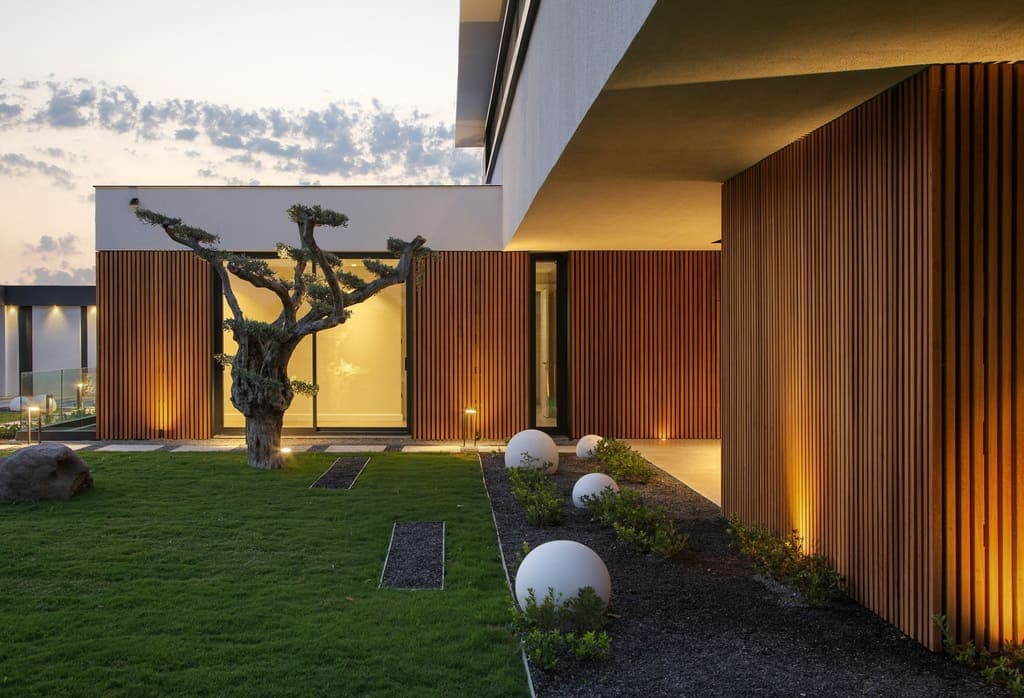
Thermally Modified Ayous is a lightweight wood known for its improved dimensional stability, making it a suitable choice for exterior cladding applications. Its calm grain and consistent tan tone provide a clean aesthetic for walls, ceilings, and soffits. The thermal modification process reduces the wood's tendency to expand and contract with changes in moisture, which is beneficial when creating precise corner joints.
This versatility allows for a range of design possibilities, including custom milling for project-specific details, which can be particularly useful for intricate corner work.
Option 1: Mitered Corners for a Seamless Look
A mitered corner creates a clean, continuous appearance where two cladding boards meet at a 45-degree angle, forming a 90-degree corner. This method is often preferred for its sleek, uninterrupted lines, giving the impression of a single piece of wood wrapping around the building.
For Thermally Modified Ayous, the improved dimensional stability helps maintain the tightness of a mitered joint. However, precise cuts are essential, and any movement over time can potentially expose the end grain. Proper fastening and a suitable adhesive (if recommended by the manufacturer for exterior use) are critical for securing mitered joints. This approach demands careful installation and is best suited for projects where a highly refined aesthetic is a priority and skilled labor is available.
Option 2: Butt Joints for Simplicity and Durability
A butt joint involves one cladding board butting directly against the face or edge of another at the corner. This is a simpler installation method compared to mitering, requiring less precision in cutting the angles. While it doesn't offer the seamless look of a miter, a well-executed butt joint can still be visually appealing and robust.
When using Thermally Modified Ayous, ensure that the exposed end grain of the butting board is properly sealed or protected, as end grain can absorb moisture more readily than face grain. This method can be a practical choice for projects prioritizing straightforward installation and durability, especially when a more rustic or utilitarian aesthetic is desired, or when trim will be added later.
Option 3: Trim-Covered Corners for Protection and Definition
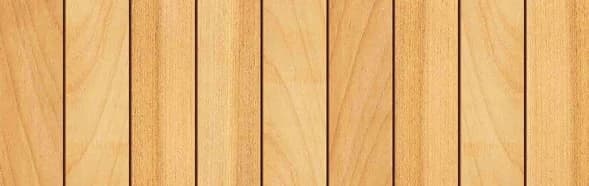
Using trim pieces to cover corners is a common and effective method. This approach involves installing cladding boards up to the corner and then covering the joint with a separate trim board. Thermally Modified Ayous is available in S4S E4E profiles in dimensions like 2 × 2, 2 × 4, or 2 × 6, which are suitable for creating corner trim.
Trim-covered corners offer several advantages: they protect the end grain of the cladding boards, simplify installation by not requiring perfectly mitered or tightly butted joints, and can add a distinctive architectural detail. The trim can either match the cladding material for a uniform look or provide a contrasting element. This method is often recommended for its balance of aesthetics, ease of installation, and long-term protection of the corner structure.
Worked Example: Detailing an Outside Corner with Thermally Modified Ayous
Consider a hypothetical project where an exterior wall clad with 1x6 V-Joint Thermally Modified Ayous meets another at an outside corner. The project aims for a clean, defined look while ensuring durability.
For an outside corner, we will use an S4S E4E 2x2 Thermally Modified Ayous trim piece. The cladding boards on Wall A will extend to the corner, exposing their end grain. The cladding boards on Wall B will butt against the face of the cladding on Wall A, stopping short of the corner to allow for the trim.
The 2x2 (actual dimension approximately 1.5x1.5 inches) trim piece will then be installed to cover both the exposed end grain of Wall A's cladding and the edge of Wall B's cladding, creating a crisp, protective corner. This approach ensures that no end grain is directly exposed to the elements without protection, and it simplifies the installation of the main cladding panels.
To calculate the trim needed for a 10-foot-tall corner, you would need one 10-foot length of 2x2 Thermally Modified Ayous trim. If the corner is 12 feet high, you would typically purchase a 12-foot length. For multiple corners or longer runs, always account for potential waste from cuts and select the most efficient lengths available.
Before you order
- Desired Aesthetic: Do you prefer a seamless, continuous look (mitered), a defined edge (butt joint with trim), or a simple, functional joint (butt joint)?
- Installation Skill Level: Is your team experienced with precise miter cuts, or would a simpler trim-covered approach be more practical?
- Weather Exposure: How exposed is the corner to rain and sun? Trim-covered options generally offer better protection for end grain.
- Material Availability: Are matching Thermally Modified Ayous trim pieces available in the desired profile and dimensions?
- Budget: Consider the labor costs associated with different detail types, as precise mitering can be more time-consuming.
- Long-Term Maintenance: How will the chosen detail perform over time with natural wood movement and weathering?
Confirm installation details, approved uses and warranty terms in the current instructions for the exact product and profile. Your installer should verify the substrate, structure and applicable project requirements.
Questions to help you decide
Can I use different wood species for corner trim?
While it is technically possible, using Thermally Modified Ayous trim with Thermally Modified Ayous cladding is generally recommended. This ensures consistent thermal expansion and contraction, similar weathering characteristics, and a uniform appearance, especially if no finish is applied. Mixing species can lead to differential movement and varying rates of color change.
What fasteners should I use for corner details?
Fastener selection is critical. For Thermally Modified Ayous, corrosion-resistant fasteners such as stainless steel screws are typically recommended. The length and type of fastener will depend on the thickness of the cladding and trim, as well as the substrate material. Always consult manufacturer guidelines for specific fastener recommendations for your chosen profile and application.
How do I ensure weather-tightness at corners?
Beyond the wood itself, proper flashing, weather barriers, and sealants (if appropriate for the design) are essential for weather-tightness. Corner details should be integrated into a comprehensive rainscreen or wall system design that manages moisture effectively. Exposed end grain, even on thermally modified wood, should ideally be protected by trim or flashing to minimize water intrusion.
Plan Your Thermally Modified Ayous Corner Details
Ready to specify the corner details for your project? Request a material quote for Thermally Modified Ayous cladding and matching trim. Provide your project dimensions, exact profile preferences, and ZIP code to confirm current availability and service options. Visit our website to get started: /contact-us
Request a material quote →