Confirming Profiles and Applications
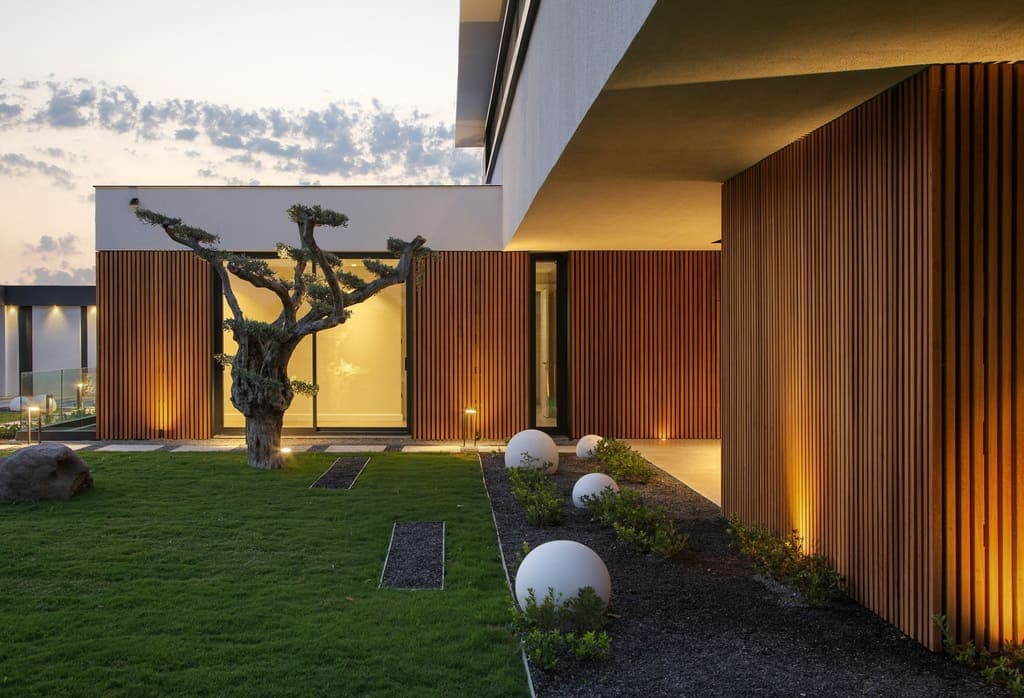
Thermally Modified Ayous is available in several profiles, each suited to specific applications. For more architectural designs, a Fluted #5 profile can add a decorative element to walls and ceilings.
It is important to confirm with your contractor which profile is specified for each part of your project. For instance, if you are planning a feature wall and a soffit, ensure the chosen profiles for each area are clearly documented. This prevents ordering discrepancies and ensures the aesthetic intent is met. Larger nominal sizes like 1 × 8, 1 × 10, 2 × 2, 2 × 4, and 2 × 6 in S4S E4E are typically used for trim and moulding applications, which might complement your primary cladding or ceiling material.
Verifying Project Dimensions and Quantities
Accurate measurements are fundamental to ordering the correct quantity of Thermally Modified Ayous. Work with your contractor to finalize all project dimensions, including the exact lineal footage for each profile. Remember to account for waste, typically 10-15%, depending on the complexity of cuts and the layout pattern. This waste factor should be discussed and agreed upon with your contractor.
A 1 × 6 board has a nominal width of 6 inches. To cover the 8-foot width (96 inches), you would need 96 inches / 6 inches = 16 boards. For a 12-foot length, you would need 16 boards, each 12 feet long. This totals 192 lineal feet. Adding a 10% waste factor would bring the order to approximately 212 lineal feet. This calculation should be cross-checked with your contractor's material take-off to ensure alignment.
For trim or other specific details, ensure exact lineal footage is calculated for each unique piece, considering mitered corners or special joint requirements. It is always better to slightly over-order than to face delays due to insufficient material.
Understanding Thermal Modification Benefits
Thermally Modified Ayous undergoes a process that enhances its properties, making it well-suited for various applications. This modification reduces the wood's moisture response, leading to improved dimensional stability. This is particularly beneficial for exterior cladding and interior feature walls where consistent appearance is desired.
The low weight of Thermally Modified Ayous is another key benefit, especially for overhead applications like ceilings and soffits. This can simplify handling and installation, potentially impacting labor considerations for your contractor. Discuss with your contractor how these characteristics might influence installation methods or timelines.
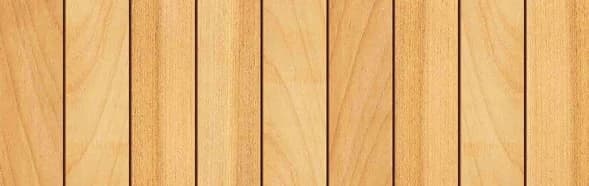
The material's natural, signature tan tone, combined with a calm grain, offers a clean aesthetic. While the thermal modification enhances stability, discuss with your contractor any specific finishing requirements or desired appearance, as this can affect the long-term look of the wood.
Installation Considerations and Substructure
Before ordering, ensure your contractor has reviewed the planned installation method and substructure requirements. Thermally Modified Ayous, like all wood products, requires proper support. For exterior cladding, this often involves a rainscreen system to ensure adequate ventilation and drainage behind the boards. For interior applications, the substrate and fastening methods should be appropriate for the chosen profile and expected environmental conditions.
Discuss fastener types and spacing. While specific fastener recommendations are usually part of a broader installation guide, confirm that the chosen fasteners are compatible with Thermally Modified Ayous and the intended application. For example, concealed fasteners might be preferred for a clean aesthetic on a ceiling, while exposed fasteners might be acceptable for some exterior applications.
Consider how cut ends will be treated. Field cuts are often necessary, and ensuring these are properly sealed or finished according to manufacturer recommendations is important for the longevity and appearance of the installation. This detail should be part of the contractor's installation plan.
Logistics and On-Site Handling
Coordinate with your contractor regarding the delivery timeline and on-site storage. Thermally Modified Ayous should be stored in a dry, covered area, protected from direct sunlight and moisture, to maintain its stability and appearance before installation. Discuss the access points for delivery and any staging areas required on the job site.
The lightweight nature of Thermally Modified Ayous can simplify handling, but proper care is still necessary to prevent damage. Ensure your contractor has a plan for careful unloading and storage to avoid scuffs, dents, or warping. This pre-planning helps maintain the quality of the material from delivery to final installation.
Before you order
- Confirm all Thermally Modified Ayous profiles and their specific applications for each project area.
- Verify exact lineal footage calculations with your contractor, including an agreed-upon waste factor (e.g., 10-15%).
- Review the planned substructure and fastening methods to ensure compatibility and structural integrity.
- Discuss treatment of cut ends and field cuts for longevity and appearance.
- Finalize delivery logistics, on-site storage, and material handling plan with your contractor.
- Confirm any desired finishes or sealants, and how they will be applied.
- Establish a clear communication plan for any unexpected site conditions or material adjustments.
Confirm installation details, approved uses and warranty terms in the current instructions for the exact product and profile. Your installer should verify the substrate, structure and applicable project requirements.
Questions to help you decide
What are the primary benefits of Thermally Modified Ayous for my project?
Thermally Modified Ayous offers a unique combination of low weight, a calm grain, and improved dimensional stability. The thermal modification process reduces its tendency to swell or shrink with changes in moisture, making it suitable for applications where consistent appearance and performance are desired. Its low weight also makes it easier to handle, particularly in overhead installations like ceilings and soffits.
How do I choose the right profile for my Thermally Modified Ayous project?
The choice of profile depends on your design aesthetic and the intended application. For a smooth, clean look, S4S E4E is often selected. If you prefer distinct shadow lines, V-Joint or Nickel Gap profiles are popular for siding, ceilings, and wall systems. For a more architectural or textured appearance, a Fluted #5 profile can be used. Discuss your vision with your contractor, as specific profiles are best suited for certain applications.
Is Thermally Modified Ayous suitable for exterior use?
Yes, Thermally Modified Ayous is well-suited for exterior applications such as siding and cladding. Its improved dimensional stability due to thermal modification helps it perform consistently in outdoor environments. When used externally, it is often recommended to integrate it with a rainscreen assembly to ensure proper ventilation and drainage, further enhancing its longevity.
Ready to Plan Your Thermally Modified Ayous Project?
Request a material quote with your project dimensions, exact profile selections, and ZIP code. Confirm current availability and service options with our team.
Request a material quote →