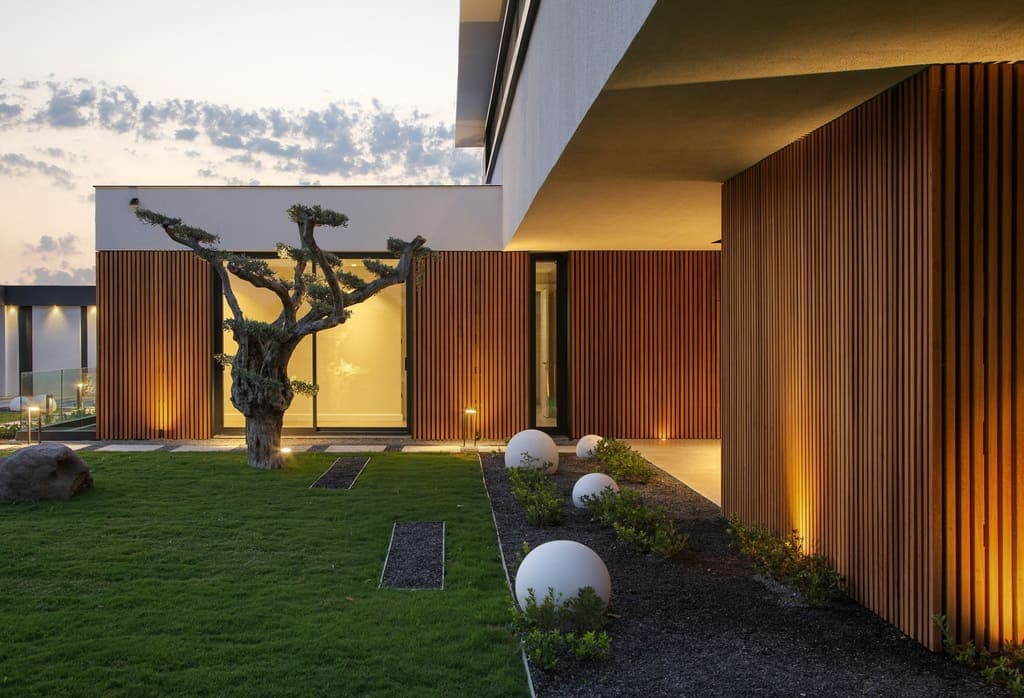
Understanding Thermally Modified Ayous: Key Characteristics
Thermally modified Ayous is derived from Triplochiton scleroxylon, originating from West and Central Africa. The thermal modification process enhances its properties, making it more stable and durable for various applications. It is particularly valued for its low weight, which simplifies handling and installation, especially in overhead applications.
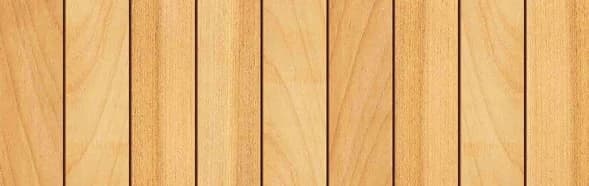
The wood typically presents a natural, signature tan tone, offering a consistent aesthetic. Its calm grain contributes to a clean, contemporary look, making it a popular choice for architectural walls, ceilings, and soffits. Understanding these inherent characteristics helps in evaluating the relevance of requested documentation.
Larger S4S E4E dimensions are also available for trim and molding. Custom milling may be an option for specific project details, requiring detailed drawings and specifications to be documented.
Product Data Sheets and Specifications
The product data sheet is your primary source for understanding the exact nature of the thermally modified Ayous you are considering. This document should detail the botanical name (Triplochiton scleroxylon), origin, and the specific thermal modification process used.
Look for information on the material's typical appearance, including color and grain characteristics. While specific performance numbers are rarely available, the data sheet should confirm general benefits like improved stability and low weight. Any claims regarding reduced moisture response or seasonal movement should ideally be supported by referenced test data, even if the data itself is a separate document.
For custom-milled profiles, verify that the data sheet or a supplementary document includes detailed drawings with exact dimensions, tolerances, and the specific profile name (e.g., Fluted #5). These specifications are crucial for ensuring the milled product matches your design intent.
Installation Guides and Best Practices
A comprehensive installation guide is essential for any thermally modified Ayous project. This document should provide clear instructions specific to the product's intended application, whether it's for siding, ceilings, or interior feature walls. It should cover recommended fastening methods, fastener types, and any specific requirements for substructure preparation.
Key details to look for include guidelines on minimum clearances from grade, advice on ventilation for exterior cladding, and recommendations for managing expansion and contraction. While thermally modified Ayous offers improved stability, wood still responds to environmental changes, so proper installation techniques are vital to accommodate movement.
The guide should also address considerations for field cuts, end sealing, and finishing options. If the product is intended for a rainscreen assembly, ensure the documentation addresses compatibility and specific detailing for such systems. If the guide is generic, confirm with the supplier how its recommendations apply to thermally modified Ayous.
Maintenance and Care Instructions
Even though thermally modified Ayous is designed for durability, understanding its long-term maintenance requirements is important. Request documentation that outlines recommended cleaning procedures, frequency of maintenance, and any specific products or techniques to avoid. This is particularly important if you plan to apply a finish or if the material will be exposed to specific environmental conditions.
The documentation should also discuss how the material's appearance may change over time, especially if left unfinished. Thermally modified Ayous, like other wood species, can silver or gray with UV exposure. If maintaining the original tan tone is a priority, the guide should specify suitable UV-protective finishes and their reapplication schedule.
Consider asking for guidance on addressing minor damage or wear. While not always detailed in standard documentation, knowing the supplier's recommendations for touch-ups or repairs can be valuable for long-term project planning.
Hypothetical Project Example: Exterior Feature Wall
For this project, you would specifically request the following documentation:
It provides the baseline for all other considerations.
2. **Installation Guide for Exterior Cladding:** This document is critical. It should detail recommended fastening methods (e.g., concealed clips, face screws), appropriate fasteners for exterior use, and spacing requirements. It should also provide guidance on creating a rainscreen gap behind the cladding, minimum ground clearances, and how to manage corners and openings.
3. **Maintenance Guide for Exterior Thermally Modified Wood:** This guide will specify cleaning recommendations, whether a finish is required for UV protection, and how to address potential graying if the wood is left unfinished. It helps set realistic expectations for the client regarding long-term appearance.
By requesting these specific documents, you ensure that the chosen material is suitable for the intended application, that installation can be performed correctly, and that the long-term maintenance is understood.
Before you order
- Identify the specific thermally modified Ayous product (e.g., 1x6 S4S E4E).
- Request the official product data sheet for your chosen profile.
- Obtain the manufacturer's installation guide relevant to your application (cladding, ceiling, soffit).
- Ask for maintenance and care instructions, including recommendations for finishes.
- Verify any claims of improved stability or specific performance with supporting documentation.
- For custom profiles, ensure detailed drawings or specifications are provided.
- Confirm if the documentation addresses specific project conditions (e.g., rainscreen, coastal exposure, interior use).
Confirm installation details, approved uses and warranty terms in the current instructions for the exact product and profile. Your installer should verify the substrate, structure and applicable project requirements.
Questions to help you decide
Why is thermally modified Ayous considered stable?
Thermally modified Ayous undergoes a high-heat treatment process that alters the wood's cellular structure. This process reduces the wood's ability to absorb moisture, leading to improved dimensional stability and less expansion and contraction compared to untreated wood. This makes it a suitable choice for applications where consistent dimensions are important, such as cladding and ceiling panels.
Can I use thermally modified Ayous for both interior and exterior projects?
Yes, thermally modified Ayous is versatile and can be used for both interior and exterior applications. Its improved stability and natural appearance make it suitable for exterior cladding, soffits, and architectural walls. For interiors, its low weight and calm grain are often chosen for ceilings, feature walls, and sauna applications. Always refer to the specific product's installation guide to confirm suitability for your intended use.
What kind of finish is recommended for thermally modified Ayous?
Thermally modified Ayous can be left unfinished, allowing it to naturally weather to a silver-gray patina over time, especially in exterior applications. If you wish to maintain its original tan tone, or if the project requires a specific aesthetic, a UV-protective finish is recommended. Always consult the product's maintenance guide for specific recommendations on suitable finishes and their application, as some finishes may require regular reapplication.
Ready to Plan Your Thermally Modified Ayous Project?
Request a material quote with your project dimensions, exact profile, and ZIP code. Confirm current availability and service options to get started.
Request a material quote →