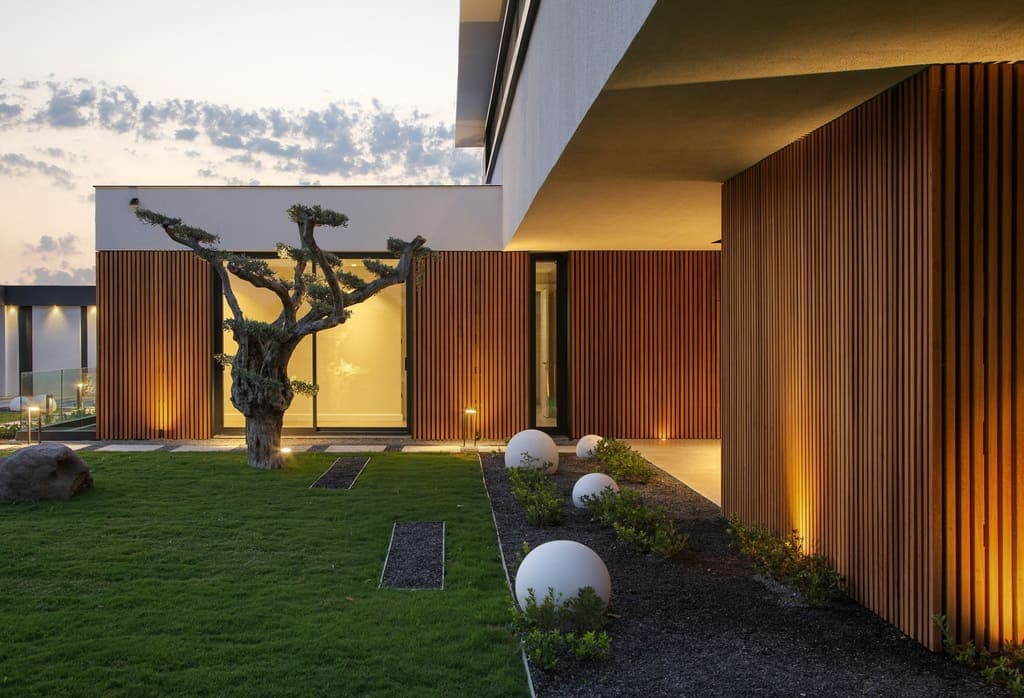
Understanding Thermally Modified Wood for Wall Applications
Thermally modified wood undergoes a high-heat treatment process that alters its cellular structure. This modification typically enhances the wood's stability by reducing its tendency to expand and contract with changes in humidity. For covered patio walls, this improved stability can contribute to a more consistent appearance over time, with less risk of warping or cupping compared to untreated wood.
The thermal modification process also typically results in a rich, consistent brown tone throughout the wood, which can deepen or lighten depending on the species and specific treatment. This inherent color can be maintained with a UV-protective finish or allowed to naturally weather to a silvery-gray patina if left unfinished, offering design flexibility for your covered patio.
Selecting the Right Profile and Species
For covered patio walls, a variety of thermally modified wood profiles can be considered. Common options include tongue and groove, shiplap, and square-edge boards. Tongue and groove profiles offer a tight, interlocking fit, which can create a smooth, continuous surface and help with alignment during installation. Shiplap profiles provide a distinctive shadow line between boards, adding visual depth and character.
Square-edge boards can be installed with a consistent gap to create an open-joint look, which may require a backing material for a finished appearance. The choice of profile often depends on the desired aesthetic and the level of exposure to indirect elements. For species, thermally modified pine or spruce are common and offer good stability and a consistent appearance after treatment. Brands like NORX offer specific thermally modified wood profiles suitable for wall applications.
Consider the overall design of your patio and home when selecting a profile. A tighter fit might suit a more modern aesthetic, while shiplap could complement a rustic or traditional design.
Finishing and Maintenance for Covered Patio Walls
While thermally modified wood is inherently more stable, applying a finish can provide additional protection and allow for specific aesthetic choices. For covered patio walls, where the wood is shielded from the harshest direct UV rays and rainfall, the primary purpose of a finish is often to maintain the original color or to introduce a specific stain.
If you desire to preserve the initial brown tones of the thermally modified wood, a UV-inhibiting clear coat or a lightly pigmented stain can be applied. These finishes help to slow the natural weathering process. If left unfinished, the wood will gradually turn a silvery-gray, a process that might be slower and more even in a covered environment compared to fully exposed applications. Regular cleaning with a mild soap and water solution is generally recommended to remove dirt and mildew buildup, regardless of whether a finish is applied. Always follow the specific finish manufacturer's instructions for reapplication and maintenance schedules.
Installation Considerations for Springfield Patios
Proper installation is crucial for the longevity and appearance of your thermally modified wood patio walls. Ensure the substructure is sound, plumb, and level, providing a stable base for the cladding. Fasteners should be corrosion-resistant, such as stainless steel, to prevent staining and ensure a secure attachment. Depending on the profile, fasteners may be face-fastened or concealed.
Even in a covered environment, allow for some air circulation behind the cladding by installing furring strips. This helps manage moisture and promotes drying, which is beneficial for the wood's long-term performance. Maintain appropriate clearances from the ground or patio surface to prevent moisture wicking into the bottom edges of the boards. A general guideline is to keep wood at least 6 inches from grade, though specific project conditions for a covered patio might allow for less, provided there is adequate drainage and ventilation.
For a hypothetical patio wall measuring 10 feet wide by 8 feet high, using a 5-inch face-width shiplap profile, you would need approximately 24 boards to cover the 80 square feet. This calculation assumes minimal waste and straight cuts. However, always factor in at least 10-15% extra for cuts, potential waste, and future repairs. For example, if boards are typically sold in 12-foot lengths, you could get one 8-foot piece and one 4-foot piece from each. A more precise calculation would involve laying out a cut plan for each wall section.
Integrating with Other Materials
Thermally modified wood's natural aesthetic makes it highly versatile for integration with other patio materials common in Springfield homes. It pairs well with stone, brick, stucco, or even metal accents, allowing you to create a cohesive design. Consider using it as an accent wall against a painted concrete block or pairing it with a stone veneer base for a layered look.
When combining materials, pay attention to transition details. Ensure proper flashing and sealing where different materials meet to prevent water intrusion, even in a covered setting. The consistent color and grain of thermally modified wood can provide a warm contrast to cooler, harder surfaces, enhancing the overall appeal of your outdoor space.
Before you order
- Desired Aesthetic: Do you prefer the natural brown tones or a weathered silver-gray?
- Profile Choice: Tongue and groove for a smooth look, or shiplap for shadow lines?
- Finish Application: Will you apply a UV-protective finish, stain, or leave it natural?
- Substructure Condition: Is your existing patio wall substructure sound, plumb, and ready for cladding?
- Ventilation: Have you planned for furring strips to allow air circulation behind the wood?
- Fastener Type: Are you using corrosion-resistant fasteners (e.g., stainless steel)?
- Clearances: Is there adequate clearance from the ground and other surfaces?
- Material Transitions: How will thermally modified wood integrate with other materials on your patio?
- Maintenance Plan: Are you prepared for regular cleaning and potential finish reapplication?
Confirm installation details, approved uses and warranty terms in the current instructions for the exact product and profile. Your installer should verify the substrate, structure and applicable project requirements.
This is a planning guide for projects in Springfield, IL. Ask our team to confirm availability, delivery to your ZIP code and which branch can support your order.
Questions to help you decide
Can thermally modified wood be painted?
While it is possible to paint thermally modified wood, its enhanced stability and natural beauty often make stains, clear coats, or leaving it natural more popular choices. If painting, ensure the surface is clean and primed, and use a high-quality exterior paint suitable for wood.
How does thermally modified wood perform in Springfield's climate?
Thermally modified wood's improved dimensional stability makes it well-suited for climates with fluctuating humidity and temperatures, like Springfield, IL. In a covered patio wall application, it is further protected from extreme weather, which can contribute to its long-term performance and appearance. Always ensure proper installation and ventilation.
Is special tooling required to cut thermally modified wood?
Thermally modified wood can typically be cut using standard woodworking tools, similar to untreated hardwoods or softwoods. However, using sharp blades designed for wood is always recommended for clean cuts. As with any wood product, wear appropriate personal protective equipment, including eye and hearing protection.
Plan Your Thermally Modified Wood Covered Patio Walls
Ready to enhance your outdoor living space? Request a material quote for thermally modified wood. Provide your project dimensions, desired profile, and ZIP code to confirm current availability and service options for your Springfield, IL project. Explore our full range of products, including our selection of Siding and Cladding, NORX products, and Maximo Accoya for other project needs.
Request a material quote →