Defining Your Courtyard Outdoor Room
A courtyard outdoor room is more than just a deck; it's a defined exterior space, often partially enclosed by existing structures or landscaping, designed for specific activities like dining, relaxation, or entertaining. In Springfield, IL, this can range from a compact patio between two wings of a home to a larger, walled garden area. The key is its intentional design as a functional extension of your living space.
Consider the primary purpose of your courtyard. Will it be a quiet reading nook, a lively dining area, or a versatile space for various activities? This initial clarity will inform decisions about decking layout, furniture placement, and access points, ensuring your Ipe deck integrates seamlessly with its intended use.
Why Choose Ipe for Courtyard Decking?
Ipe wood, also known as Brazilian walnut, is a dense, durable hardwood originating from South America. Its properties make it a candidate for outdoor decking, especially in settings that demand resilience and a refined appearance.
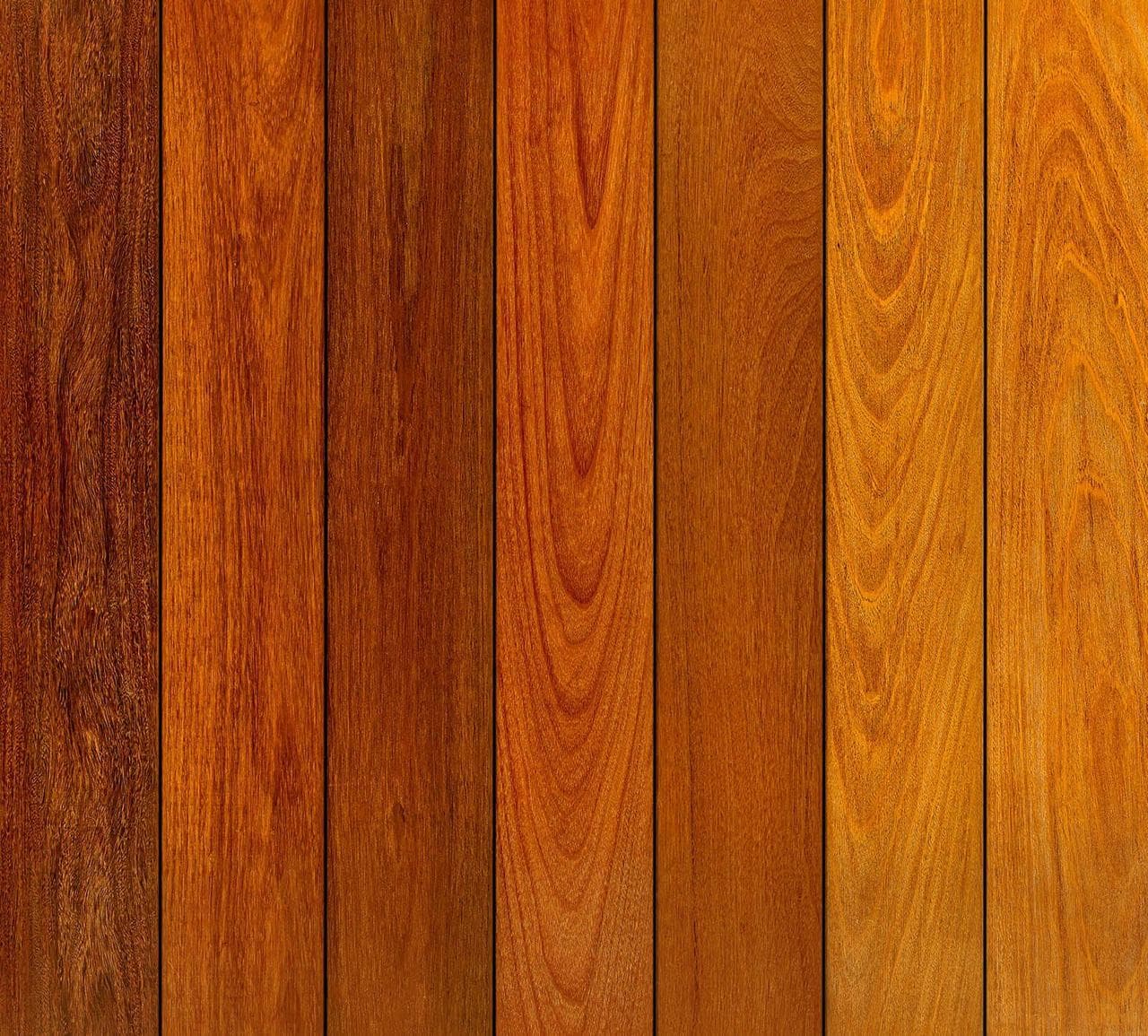
Ipe's natural resistance to rot, insects, and mold means it requires minimal chemical treatment, an advantage for areas where children or pets may play. Its density also contributes to its stability, resisting warping and cracking even with exposure to weather changes. The wood's color ranges from reddish-brown to olive-brown, offering a rich, consistent look that can complement various architectural styles.
For a courtyard, where the deck is often viewed up close and frequently used, Ipe's robust nature and aesthetic qualities can provide a durable and visually appealing surface. If left untreated, Ipe will naturally weather to a silvery-gray patina; applying a UV-blocking sealer can help preserve its original color.
Planning Your Ipe Deck Layout and Dimensions
Courtyards often have irregular shapes or existing features like planters, walls, or architectural elements that need to be accommodated. Accurate measurements are crucial. Beyond overall length and width, map out any fixed obstacles, elevation changes, and desired traffic patterns.
For Ipe decking, typical dimensions range from 1x2 inches to 6x6 inches in various lengths. Consider how board width will impact the visual flow of your courtyard. Wider boards can make a small courtyard feel more expansive, while narrower boards might create a more intricate pattern. Plan for adequate spacing between boards to allow for drainage and air circulation, particularly important in partially enclosed courtyard settings.
Worked Example: A 12x10 Foot Courtyard Dining Area
Let's consider a hypothetical courtyard in Springfield, IL, measuring 12 feet by 10 feet, intended for outdoor dining. We'll use 5/4 x 6 inch Ipe decking boards, which are approximately 1 inch thick and 5.5 inches wide, available in various lengths.
To cover a 12-foot width with boards running parallel to the 10-foot length, you'd need approximately 26 boards (12 feet / (5.5 inches / 12 inches/foot) = 26.18, rounded up). If we assume boards are available in 10-foot lengths, you would need 26 boards. For a project with less waste, you would use a mix of lengths. However, for a simple calculation, if 10-foot boards are purchased, the total linear footage would be 26 boards * 10 feet/board = 260 linear feet. This equates to roughly 120 square feet of coverage.
This calculation is for material coverage only. Always account for cutting waste, especially around obstacles or for creating specific patterns. It's often recommended to add 10-15% extra material to your order to cover cuts and potential future repairs. For this example, 260 linear feet plus 10% waste would be 286 linear feet.
Considerations for Drainage and Ventilation
Courtyards, by their nature, can trap moisture if not properly designed. For Ipe decking, ensuring adequate drainage and ventilation beneath the deck is critical. This prevents water accumulation and promotes air circulation, which helps maintain the wood's stability and appearance.
Design the deck frame with a slight slope away from any adjacent structures to facilitate water runoff. Ensure sufficient clearance between the ground and the underside of the deck. If your courtyard is paved or has a concrete slab, consider a pedestal system or sleeper system that allows for airflow and drainage beneath the Ipe boards. This is especially important in Springfield, IL, where seasonal humidity and precipitation can impact outdoor structures.
Maintenance and Long-Term Appearance
Ipe is known for being low maintenance, but its long-term appearance can be managed through routine care. If you prefer the rich reddish-brown to olive-brown tones, apply a UV-blocking sealer periodically. Without a sealer, Ipe will naturally weather to a silvery-gray patina over time. Both appearances are desirable, depending on your aesthetic preference.
Regular cleaning to remove dirt, leaves, and debris is important for any outdoor deck, particularly in a courtyard where debris might accumulate. Use a mild soap and water solution and a soft brush. Address any spills promptly to prevent staining. While Ipe is resistant to many elements, consistent maintenance helps preserve its condition and extends its life.
The specific maintenance schedule will depend on your local Springfield, IL conditions, including sun exposure, tree cover, and frequency of use.
Before you order
- Define the primary function of your courtyard outdoor room (dining, lounging, entertaining).
- Measure your courtyard accurately, noting all fixed elements and desired traffic paths.
- Decide on the desired appearance: natural silvery-gray patina or maintained original color with UV-blocking sealer.
- Plan for adequate drainage and ventilation beneath the deck, especially in enclosed courtyard spaces.
- Consider board width and length options to optimize material use and visual flow.
- Factor in an additional 10-15% for cutting waste and future repairs when ordering materials.
- Research compatible fastening systems (hidden or face-fastened) for Ipe decking.
- Plan for regular cleaning and, if desired, periodic reapplication of a UV-blocking sealer.
Confirm installation details, approved uses and warranty terms in the current instructions for the exact product and profile. Your installer should verify the substrate, structure and applicable project requirements.
This is a planning guide for projects in Springfield, IL. Ask our team to confirm availability, delivery to your ZIP code and which branch can support your order.
Questions to help you decide
How does Ipe handle the climate in Springfield, IL?
Ipe is highly weather resistant due to its natural oils and density, which protect it from cracking or warping. It performs well in various climates, including those with seasonal variations like Springfield, IL. Proper installation with good ventilation and drainage is key to its longevity in any location.
Will Ipe decking fade in a courtyard with limited sun exposure?
Even in partially shaded courtyards, Ipe will gradually weather to a silvery-gray patina if left untreated. While direct sun exposure accelerates this process, UV light is still present. To maintain its original reddish-brown to olive-brown color, a UV-blocking sealer will need to be applied periodically, regardless of sun exposure.
Can I install Ipe decking myself in my Springfield courtyard?
While it is possible for experienced DIYers, Ipe is a very dense hardwood that requires specialized tools and techniques for proper installation. Professional installation is generally recommended to ensure correct fastening, spacing, and overall deck integrity. If you plan to DIY, research specific Ipe installation guides thoroughly.
Request a Quote for Your Ipe Courtyard Decking Project
Ready to transform your Springfield, IL courtyard into a durable and elegant outdoor room? Provide your project dimensions, desired Ipe profile, and ZIP code to request a material quote. Confirm current availability and service options for your location.
Request a material quote →